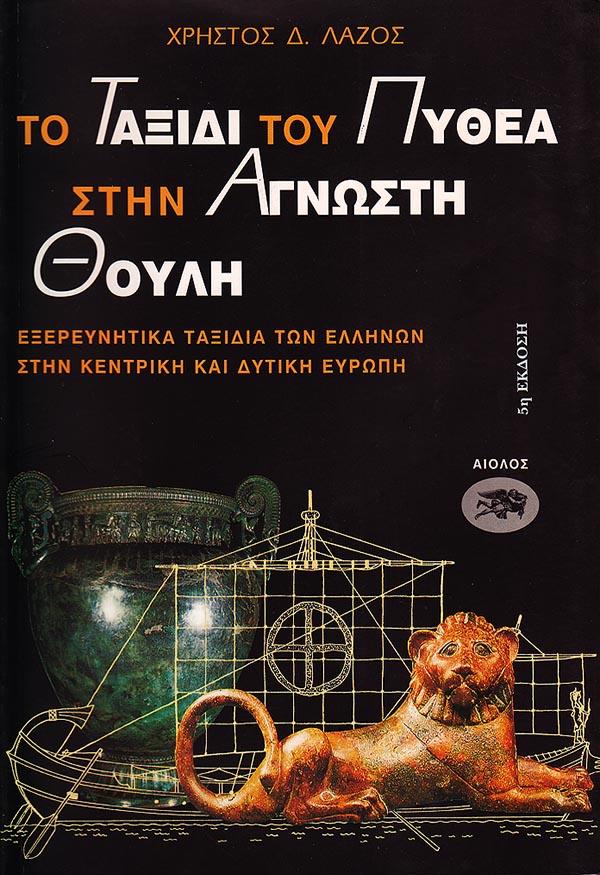
The journey of Pytheas of Massalia to “ultimate” and unknown Thule, in 320 BC, is the first historically documented journey. Aiming to reach the islands of tin and alectrum for trade reasons, Pythias also made a scientific journey to the Northern Frozen Ocean, the “Cronian Sea”, reaching Thule, the “unknown land” of the ancients. Where exactly was this land located? It must have been Iceland, but it is possible he travelled as far as Greenland.
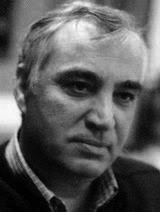
Christos D. Lazos (1949–2016) studied engraving at the Athens School of Fine Arts and had been involved in writing books since 1968. Between 1975 and 1981, he served as publisher and editor-in-chief of the popular science magazine Mysteries of the Universe.
Between 1986 and 1989, Christos D. Lazos played an active role in the establishment of the Historical Archive of Greek Youth (IAEN) and contributed to the creation of the Museum of the History of the University of Athens, receiving special mention in the commemorative volume published by the institution.
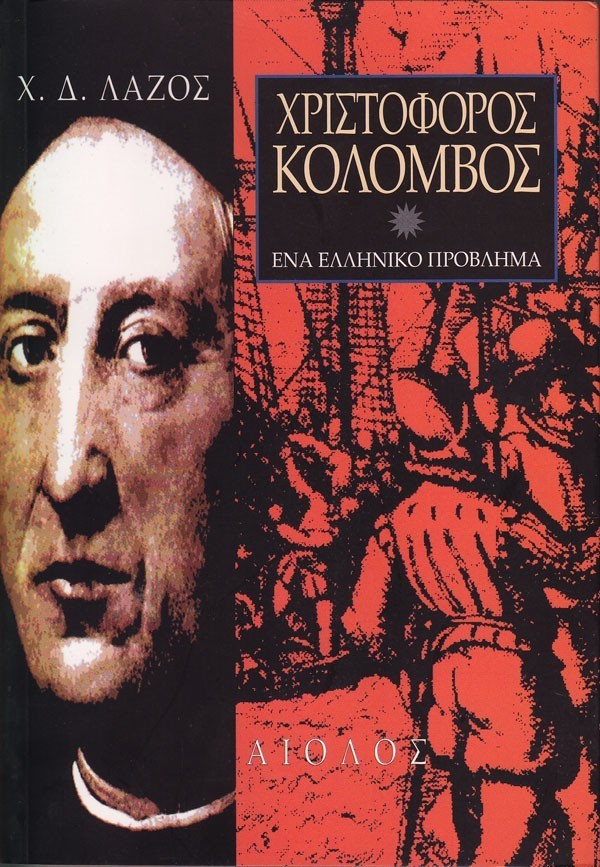
He was also a member of the COLUMBUS ’92 Committee (1988–1992). In 1992, he became a founding member of the Society for the Study of Ancient Greek Technology (EMAET) and later served as vice president of the exhibition Ancient Greek Technology, organized in Thessaloniki when the city was designated European Capital of Culture in 1997. In 1999, he also contributed to the release of a special CD by the Technical Museum of Thessaloniki dedicated to Ancient Greek Technology.
Lazos was a founding member of the Society for Civic Culture and served as scientific advisor to the “EUREKA” group for the study and promotion of Ancient Greek Technology and its related exhibitions.
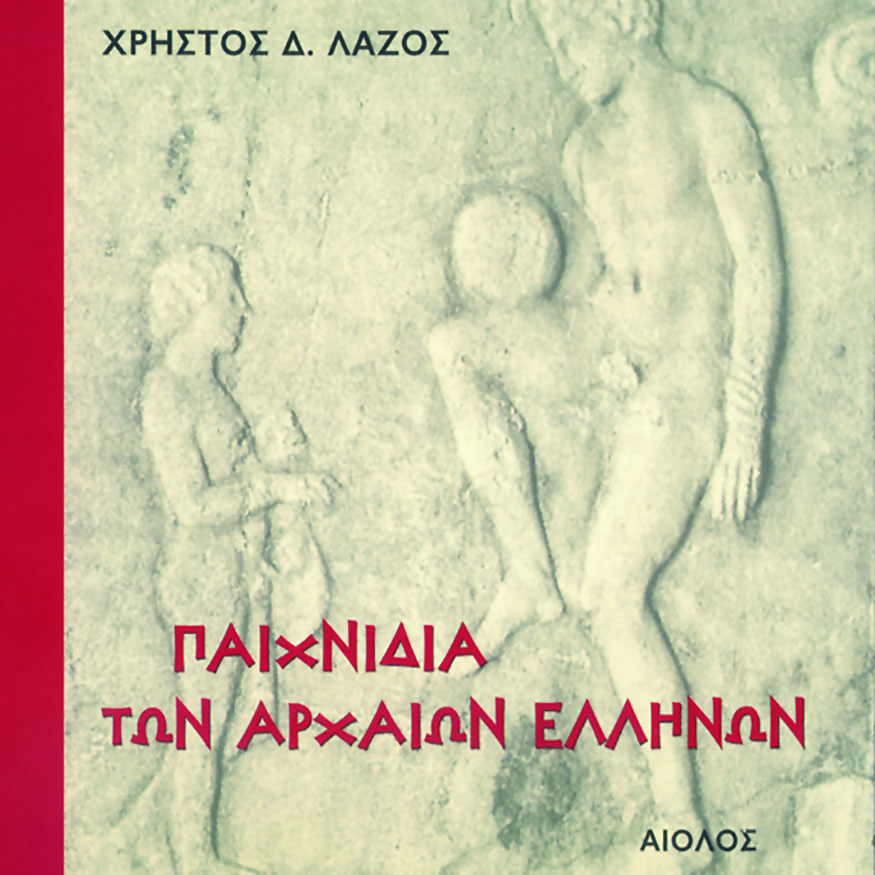
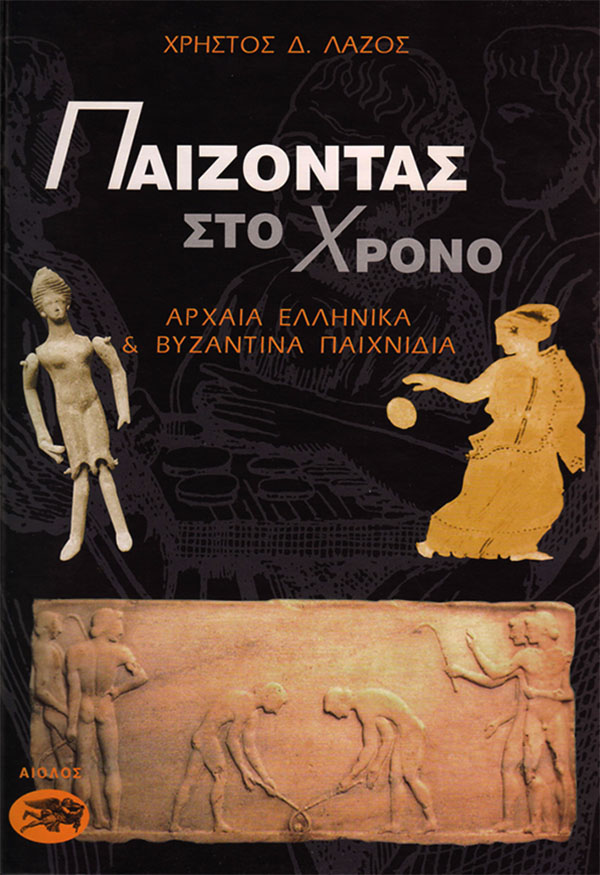
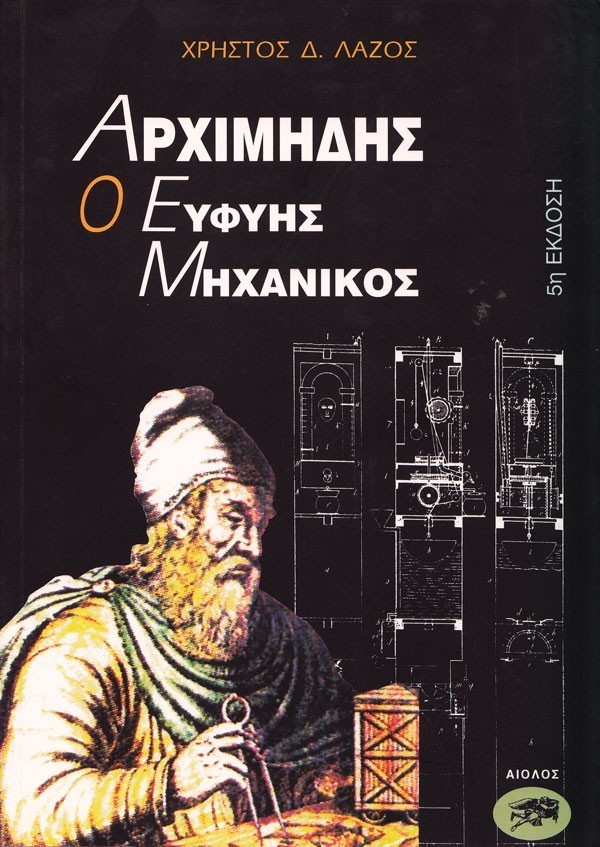
His many other activities included the publication of twenty-four books — among them an illustrated volume on ancient Greek games in 2004 — as well as a series of seven documentaries for ERT titled Unknown Greece, focusing primarily on ancient Greek technology and its traces across Greece. In 2004, he also appeared in three documentaries produced by the History Channel, speaking mainly about Archimedes.
In April 2000, he represented Greece at an international conference in Marseille dedicated to Pytheas of Massalia, presenting a paper on the great navigator.
He participated in numerous conferences and gave many interviews to both Greek and international publications.
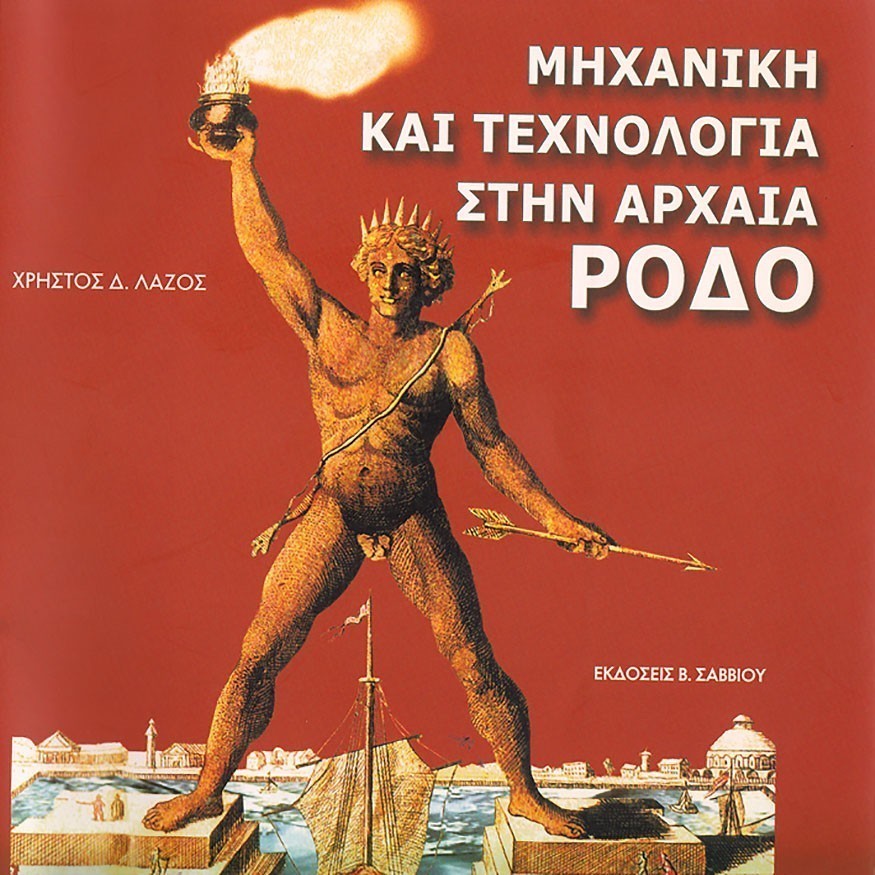
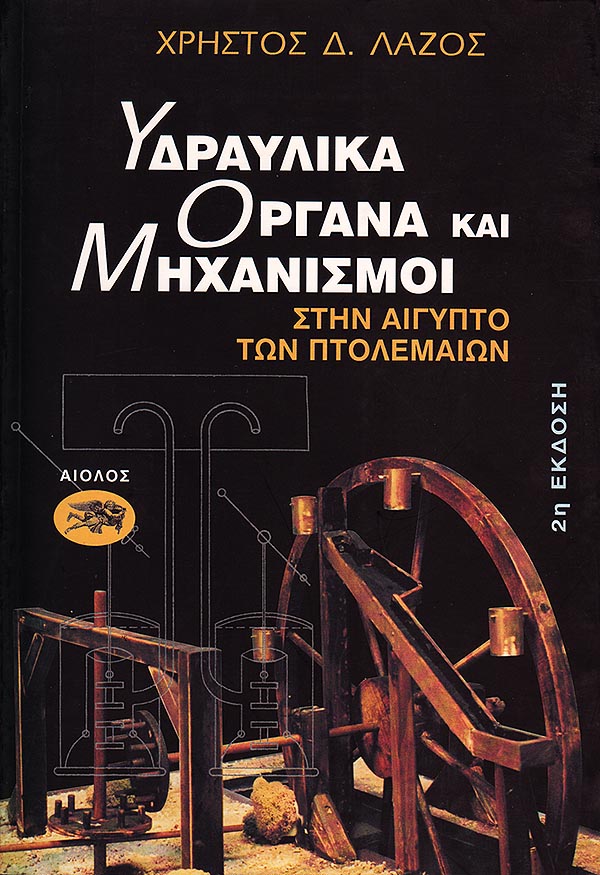
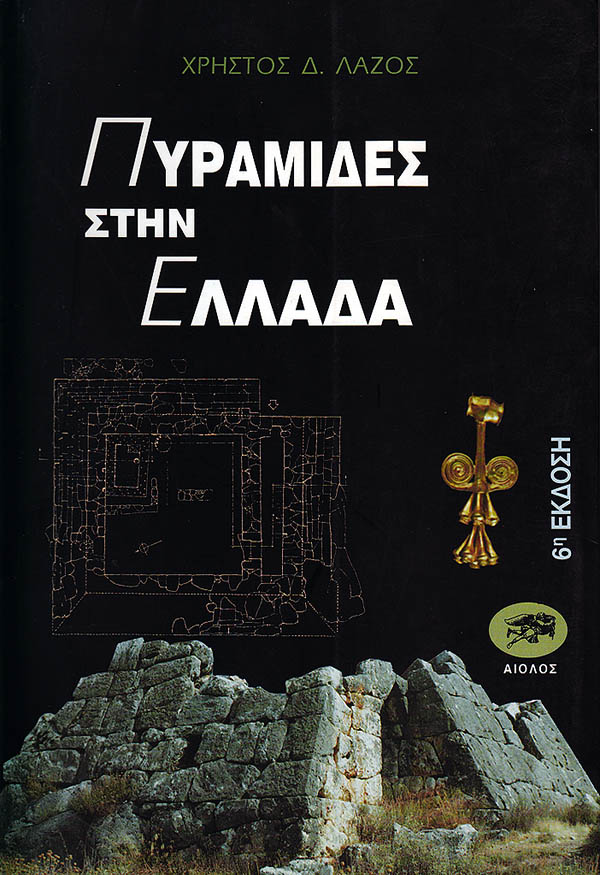
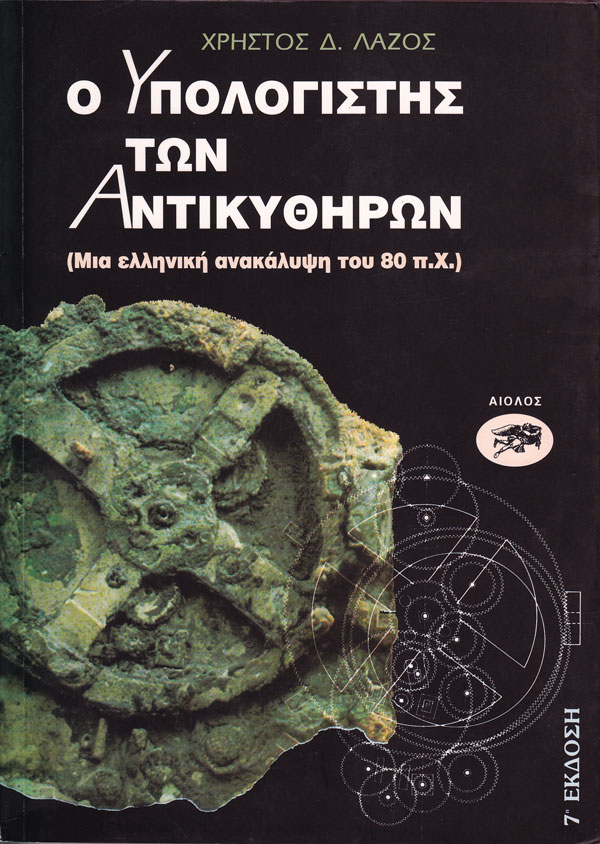
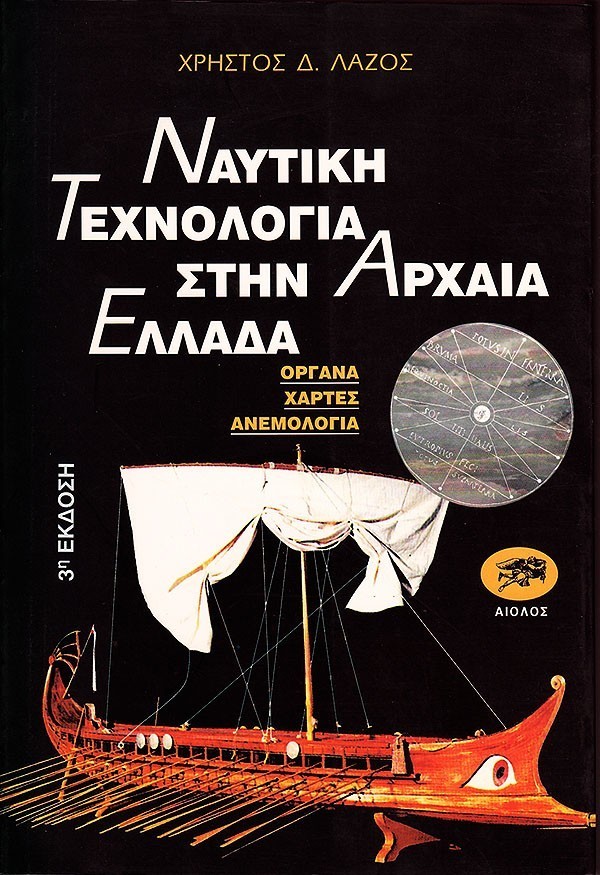
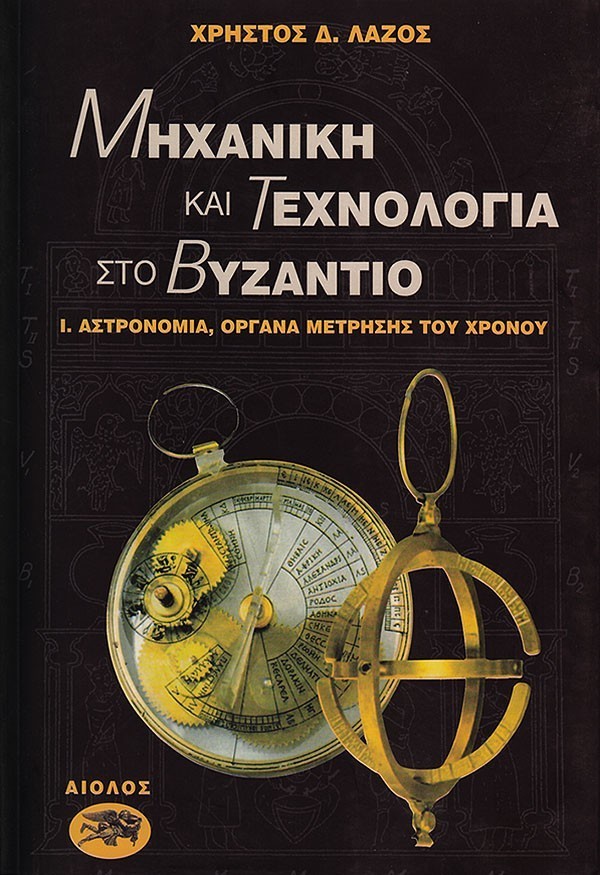
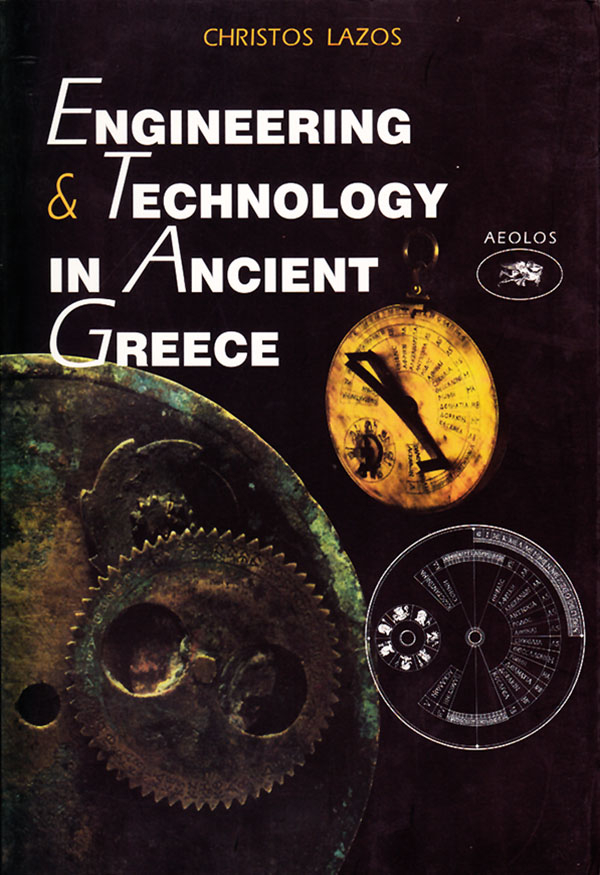
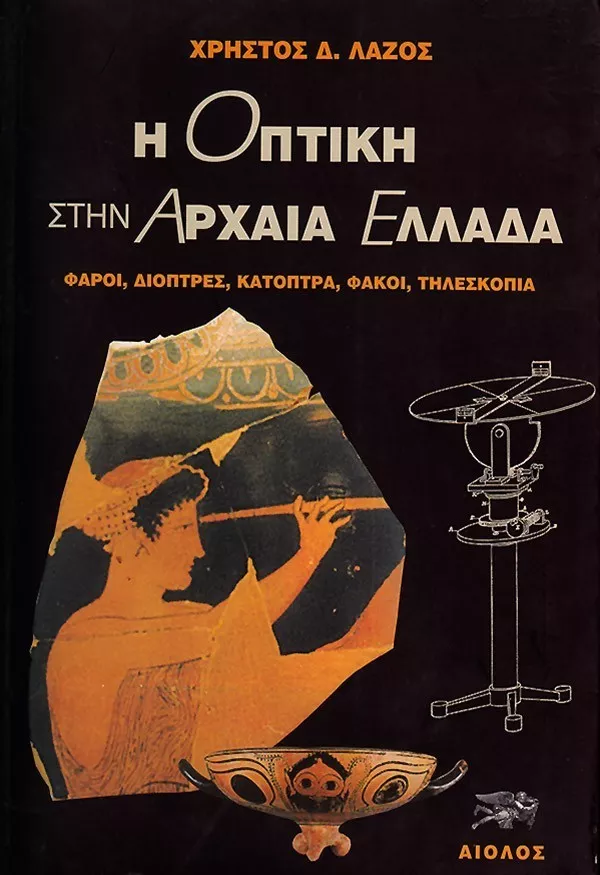
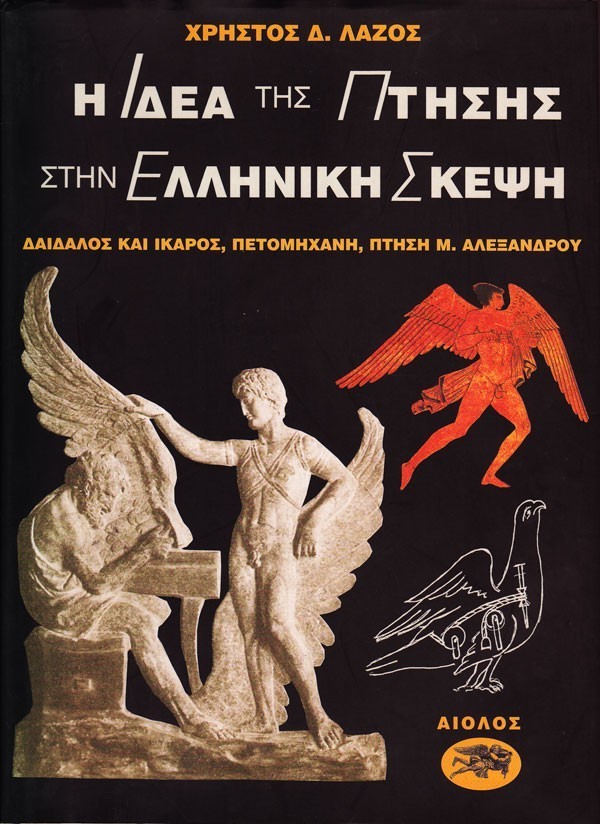
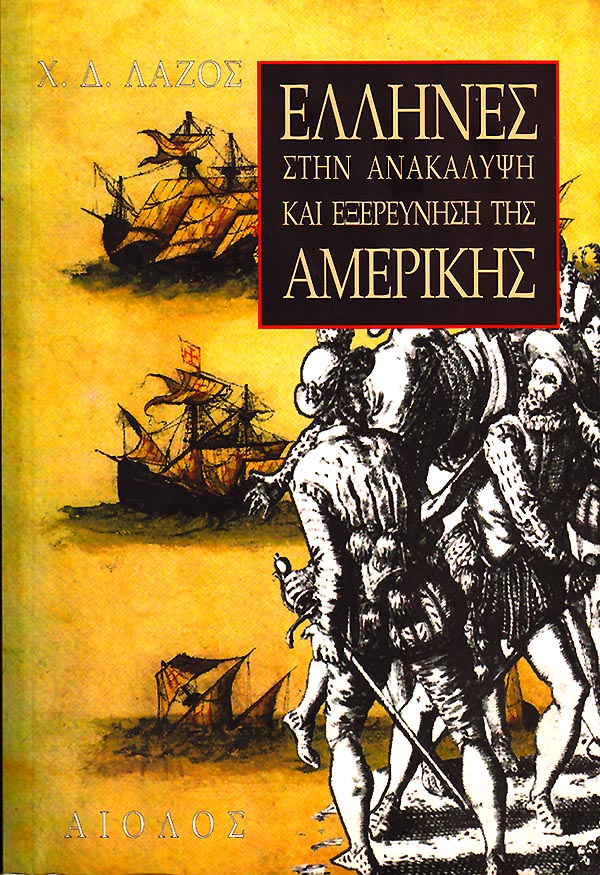
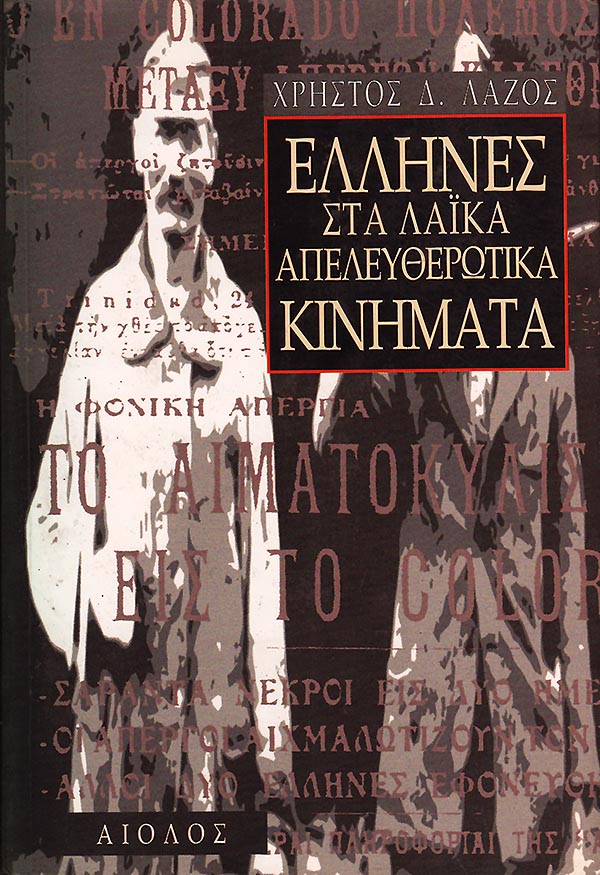
Twenty of his books are published by our house, sixteen of which focus on ancient Greek technology.
The multitude of scientific observations of Pythias were used by all later geographers, astronomers and sailors. For the first time a journey was made so far north and for the first time the world was introduced to areas such as Ireland, Britain, the Baltic, Scandinavia and Iceland.
This volume also refers to the extensive colonization of the Iberian Peninsula by the Greeks, from 2000 to 320 BC, as well as to the extensive network of trade routes throughout Europe that Greek traders and colonists established, exploiting the navigability of the river systems connecting the Aegean with Cornwall and the Black Sea with Marseilles.