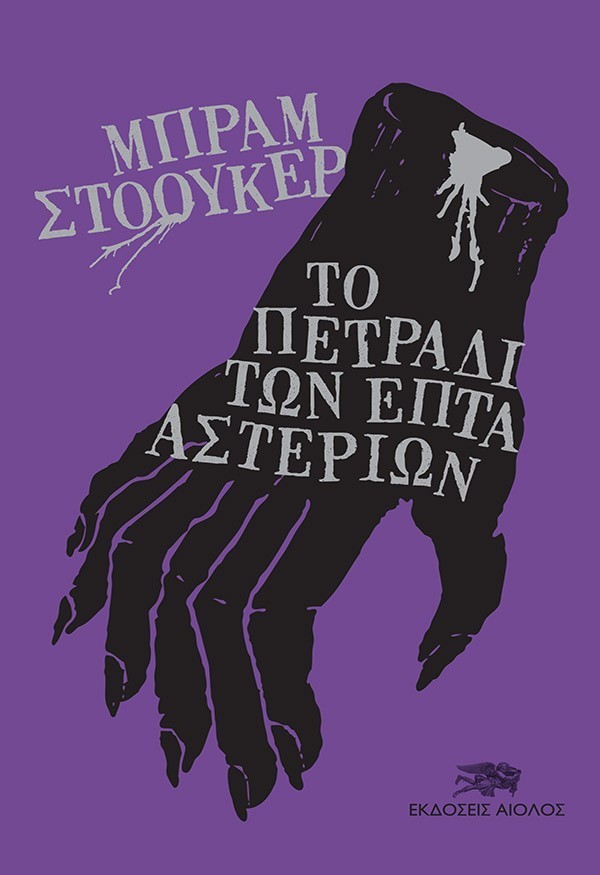
London, early nineteenth century. The successful young lawyer Malcolm Ross becomes involved in the investigation of the attempted murder of a wealthy collector of Egyptian antiquities.
What begins as an intriguing detective mystery soon develops into something far darker and more dangerous: an attempt to bring back to life a queen who has been dead for four thousand years. The Jewel of Seven Stars is her talisman, and she is determined to reclaim it.
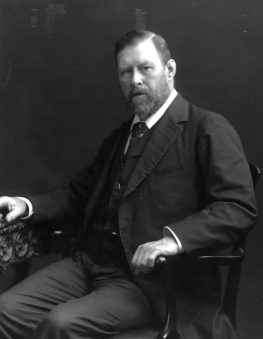
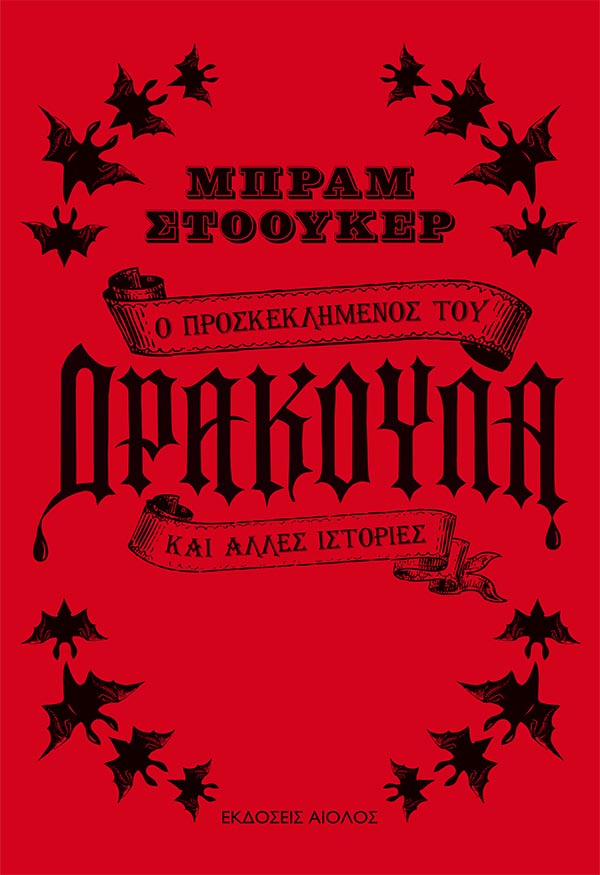
Bram Stoker was born in Clontarf, Ireland, in 1847 and died in London in 1912. In his youth he was an athlete, and despite the health problems he experienced as a child, he completed his studies at Trinity College.
He went on to become a journalist, biographer, writer, and theatre critic. Through his long and close association with the actor Henry Irving, he served as manager of Irving’s theatre for 27 years.
Bram Stoker became famous for his novel Dracula (1897), a landmark work of Gothic literature that has seen numerous editions and adaptations for both stage and screen.
Stoker, who from an early stage showed an inclination toward the strange and the supernatural—has sometimes been associated in secondary literature with the Hermetic Order of the Golden Dawn, an occult society later linked to Aleister Crowley—also wrote other works with similar themes.

Throughout the countless centuries, a single dream sustained her soul as it waited patiently within its mummified body—the dream that one day, in a distant land, she might be resurrected and walk the earth once more, retaining all the knowledge and supernatural powers she possessed in her former life beneath the desert sun. She has already killed nine men who stood in the way of her plans—and as the great night draws near, she will not hesitate to kill again.