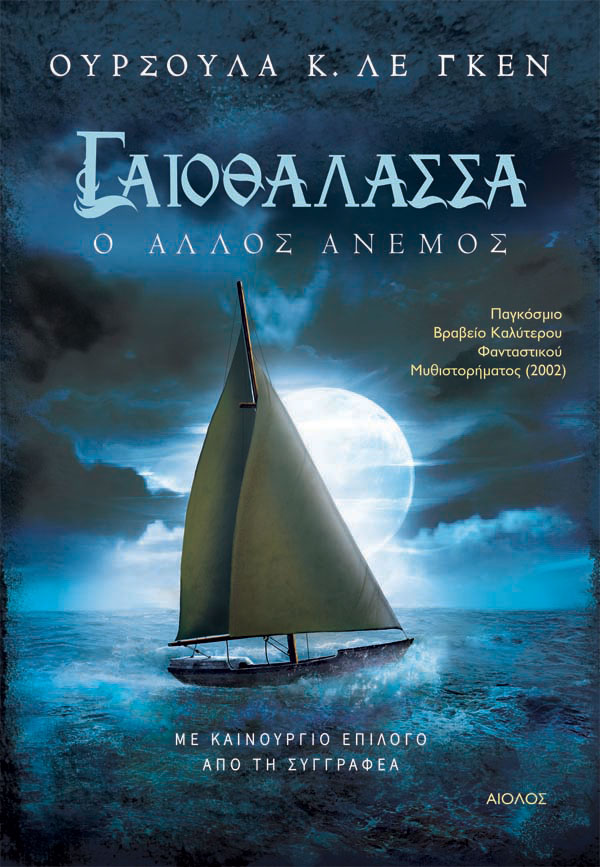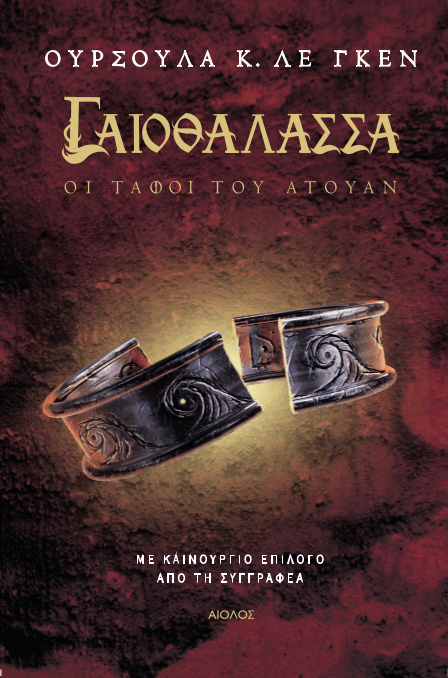
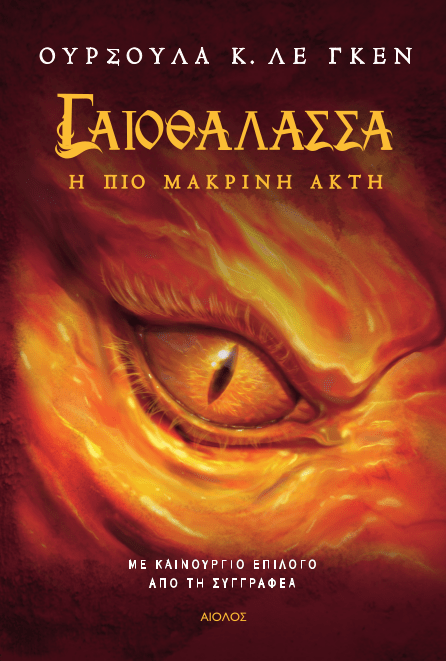
In *The Farthest Shore*, the third book in the Earthsea cycle, a shadow has fallen across the islands of the Archipelago, and the balance of the world has been dangerously disturbed. Suspicion and hostility spread among people, trade and the arts begin to decline, and — worst of all — faith in magic itself is shaken, as spells centuries old seem to have lost their power.
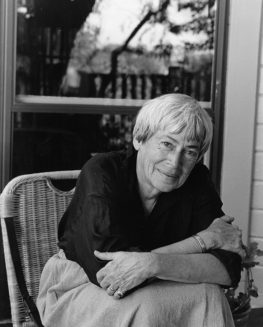
Ursula K. Le Guin (21/10/1929 – 22/01/2018) was an American novelist and poet with a major contribution to speculative fiction and is regarded as one of the most important American writers of the 20th century.
She was known for her polished, stylistically refined prose and for her bold, unconventional treatment of themes, strongly influenced by feminist and socially progressive ideas, as well as Taoism, ecology, metaphysics, and utopian thought.
Ursula K. Le Guin received multiple major awards in speculative fiction, including five Hugo Awards and six Nebula Awards. In 2013 she was named Grandmaster of Science Fiction by the Science Fiction and Fantasy Writers of America (SFWA), and in 2014 she received the National Book Award Medal for Distinguished Contribution to American Letters—an honor reflecting her wide influence across literature.
Daughter of anthropologists, she grew up in an intellectual environment, studied Medieval and Renaissance Romance literature, and published her first novel in 1966.
By 1970 she had already established herself as one of the most significant literary voices in science fiction and fantasy. Her work is diverse, spanning essays and poetry, and she also translated important works of world literature, including Laozi’s Tao Te Ching, one of the foundational texts of Chinese philosophy.
Her major works include the Earthsea series (1968–2001), The Dispossessed (1974), The Left Hand of Darkness (1969), and The Lathe of Heaven (1971).
Young Arren, son and heir of the Prince of Enlad, arrives on the island of Roke to warn the Council of Masters — the greatest wizards of the Archipelago — about a danger that has not yet made itself fully felt there.
And so Archmage Ged sets out to discover the source of the evil, accompanied only by the young Arren. Together, the two heroes embark on an odyssey that will lead them to the farthest shores of Earthsea — and beyond…
Earthsea is a world of countless islands, each with its own distinct culture. It is said that the oldest and wisest beings in the world — the dragons — dwell there. In these island societies, magic is accepted as an inseparable part of everyday life, and everything possesses a true name; whoever knows that name holds power over it.
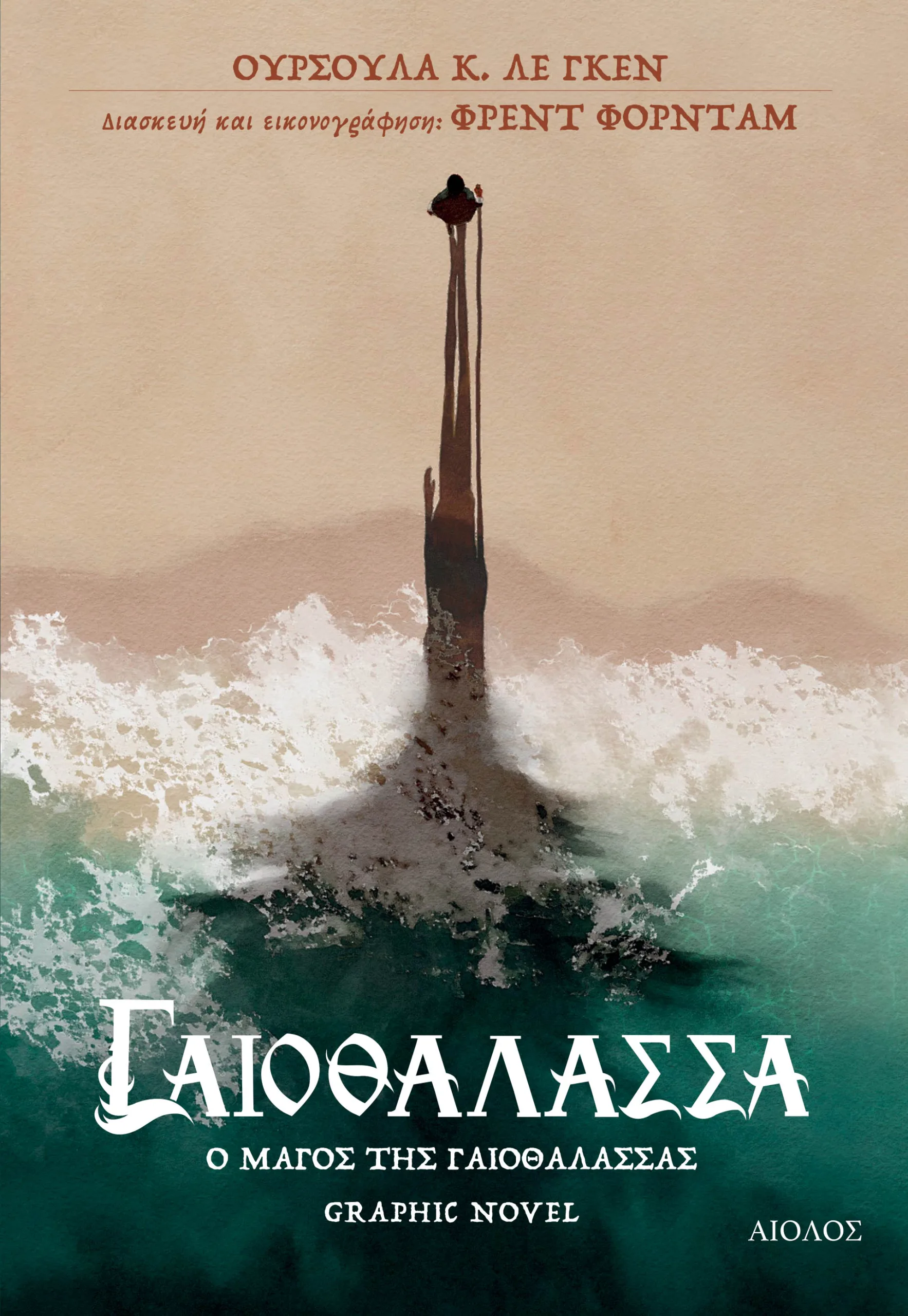
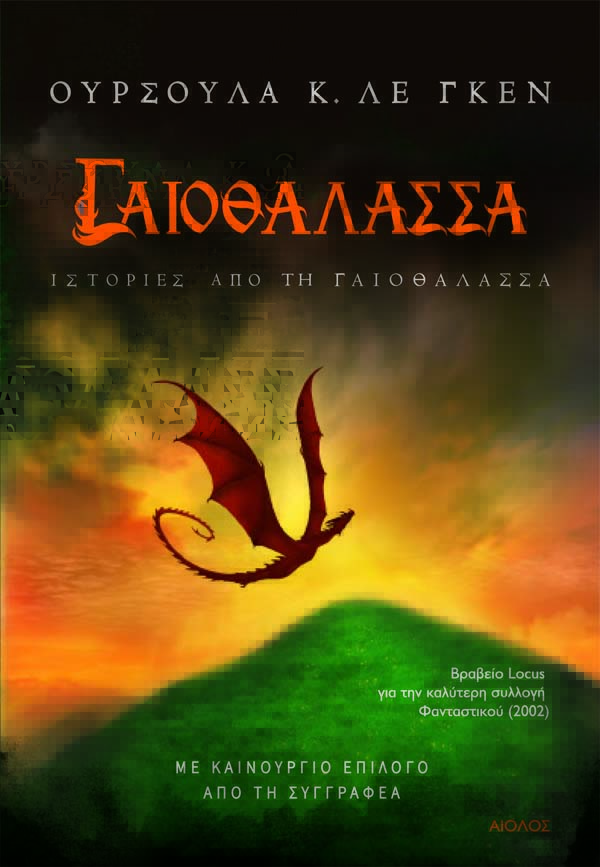
The world of Earthsea has often been compared to the Middle-earth of J. R. R. Tolkien and the Narnia of C. S. Lewis. Its creator, Ursula K. Le Guin, wrote five novels and a series of short stories set across the islands of the archipelago, works now regarded as classics of fantasy literature.
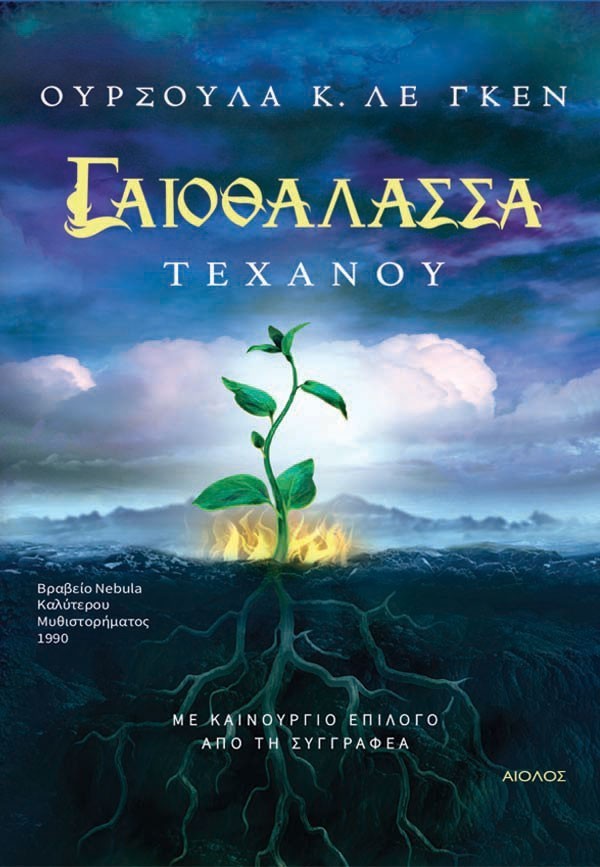
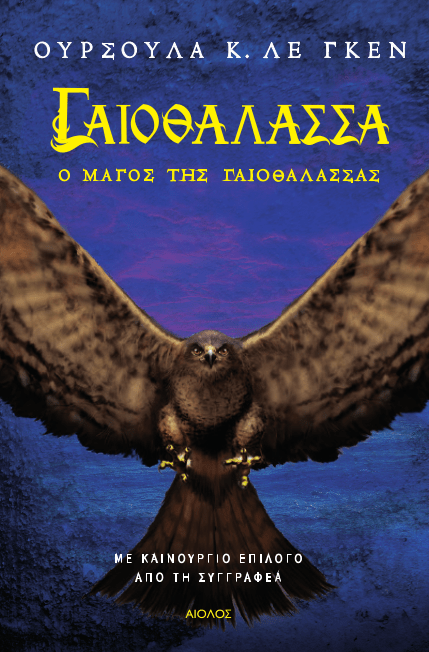
Aiolos Publications is republishing the Earthsea books in Greek, with each volume featuring an afterword by the author herself.