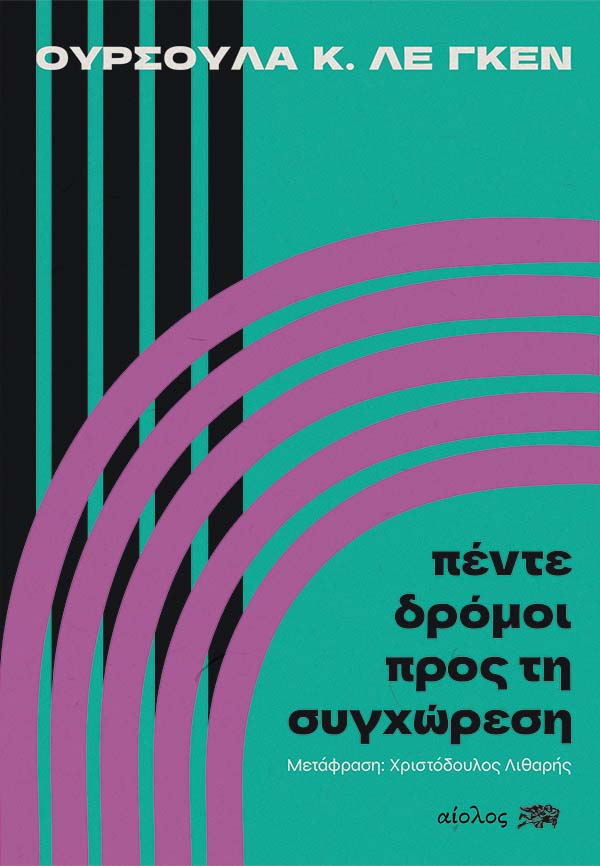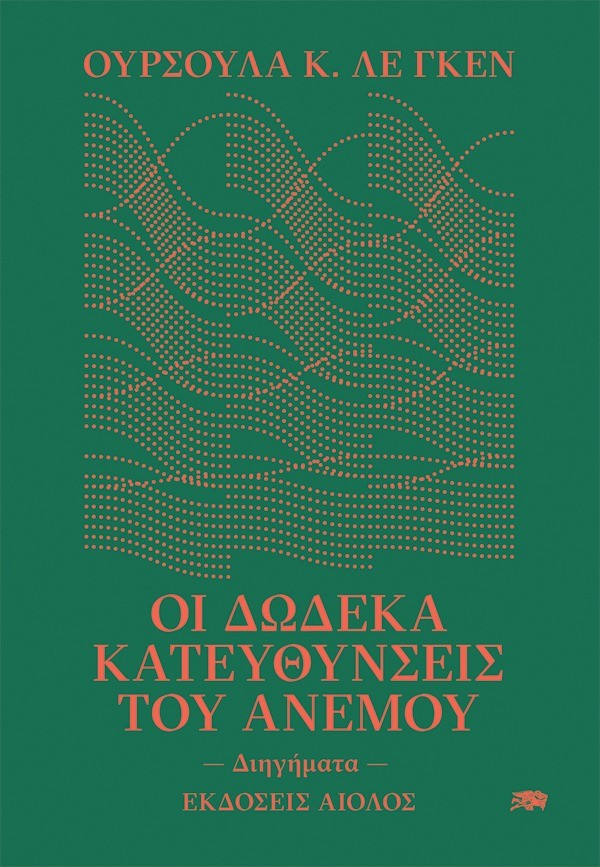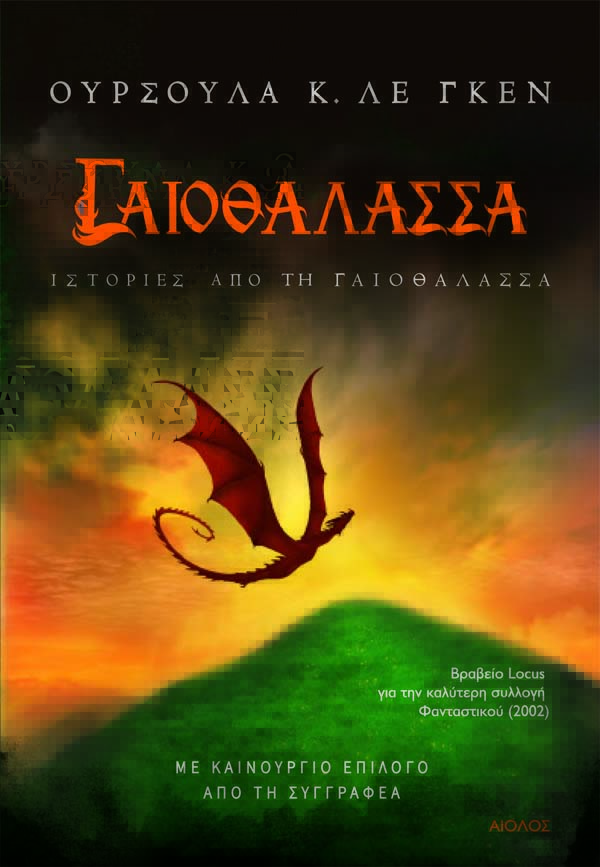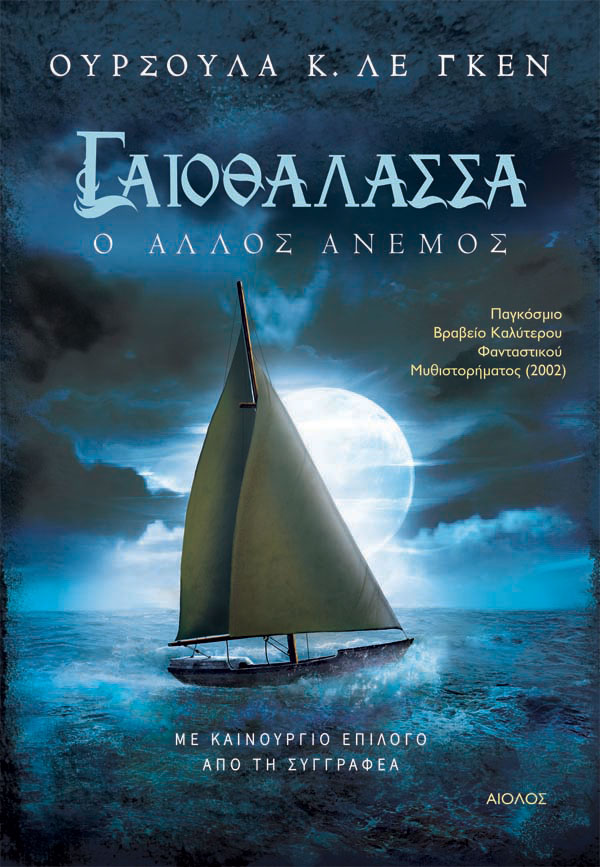
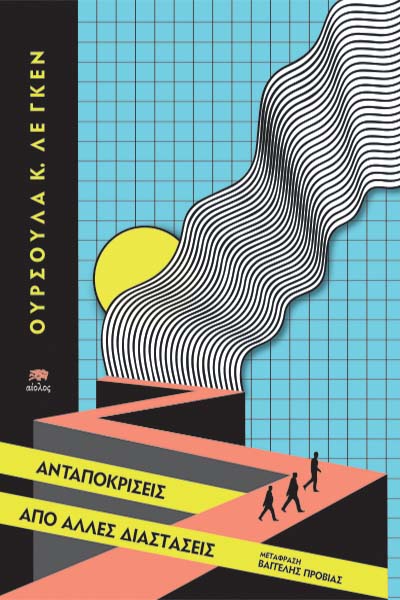
Sita Dulip visits fifteen societies from other worlds, recording the strange yet strangely familiar things she encounters. This later collection of stories by Ursula K. Le Guin is a contemporary reimagining of Gulliver’s Travels, combining anthropological and critical insight with sharp satire.
Ursula K. Le Guin (21/10/1929 – 22/01/2018) was an American novelist and poet with a major contribution to speculative fiction and is regarded as one of the most important American writers of the 20th century.
She was known for her polished, stylistically refined prose and for her bold, unconventional treatment of themes, strongly influenced by feminist and socially progressive ideas, as well as Taoism, ecology, metaphysics, and utopian thought.
Ursula K. Le Guin received multiple major awards in speculative fiction, including five Hugo Awards and six Nebula Awards. In 2013 she was named Grandmaster of Science Fiction by the Science Fiction and Fantasy Writers of America (SFWA), and in 2014 she received the National Book Award Medal for Distinguished Contribution to American Letters—an honor reflecting her wide influence across literature.
Daughter of anthropologists, she grew up in an intellectual environment, studied Medieval and Renaissance Romance literature, and published her first novel in 1966.
By 1970 she had already established herself as one of the most significant literary voices in science fiction and fantasy. Her work is diverse, spanning essays and poetry, and she also translated important works of world literature, including Laozi’s Tao Te Ching, one of the foundational texts of Chinese philosophy.
Her major works include the Earthsea series (1968–2001), The Dispossessed (1974), The Left Hand of Darkness (1969), and The Lathe of Heaven (1971).
Sita Dulip has just missed her flight.
Rather than sit through the airport loudspeakers’ awkward, incomprehensible announcements, she discovers a method that allows her to bypass check-in lines, bland meals, crying children and shouting parents, and the uncomfortable plastic chairs bolted to the floor: instead of changing flights, she changes dimensions. There, Sita encounters societies utterly unlike our own. As her method — which eventually comes to bear her name — spreads, she and her fellow travelers discover cultures where people fall silent upon reaching adulthood, where anger and rage form the foundation of every personality, and where entire cities exist solely for the sake of relentless consumption.
These interdimensional journeys, narrated by Ursula K. Le Guin with wit, satire, and philosophical insight, offer a contemporary reimagining of Gulliver’s Travels while exposing unsettling truths about our own society. With her characteristically incisive and playful prose, Le Guin once again explores the themes that run throughout her work: feminism, tyranny, mortality and immortality — and ultimately the meaning, and mystery, of human existence. The collection received the Locus Award for Best Collection in 2004.