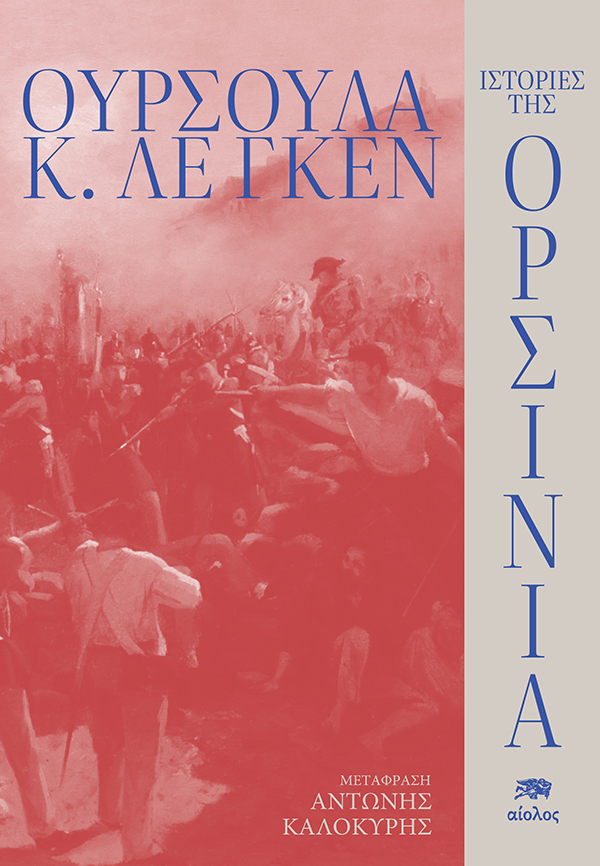
In Orsinian Tales, Ursula K. Le Guin portrays an imagined European country, tracing the lives of ordinary people amid political upheaval.
Through subtle realism and quiet reflection, the stories explore loss, dignity, and the search for inner freedom.
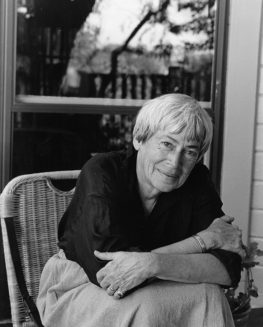
Ursula K. Le Guin (21/10/1929 – 22/01/2018) was an American novelist and poet with a major contribution to speculative fiction and is regarded as one of the most important American writers of the 20th century.
She was known for her polished, stylistically refined prose and for her bold, unconventional treatment of themes, strongly influenced by feminist and socially progressive ideas, as well as Taoism, ecology, metaphysics, and utopian thought.
Ursula K. Le Guin received multiple major awards in speculative fiction, including five Hugo Awards and six Nebula Awards. In 2013 she was named Grandmaster of Science Fiction by the Science Fiction and Fantasy Writers of America (SFWA), and in 2014 she received the National Book Award Medal for Distinguished Contribution to American Letters—an honor reflecting her wide influence across literature.
Daughter of anthropologists, she grew up in an intellectual environment, studied Medieval and Renaissance Romance literature, and published her first novel in 1966.
By 1970 she had already established herself as one of the most significant literary voices in science fiction and fantasy. Her work is diverse, spanning essays and poetry, and she also translated important works of world literature, including Laozi’s Tao Te Ching, one of the foundational texts of Chinese philosophy.
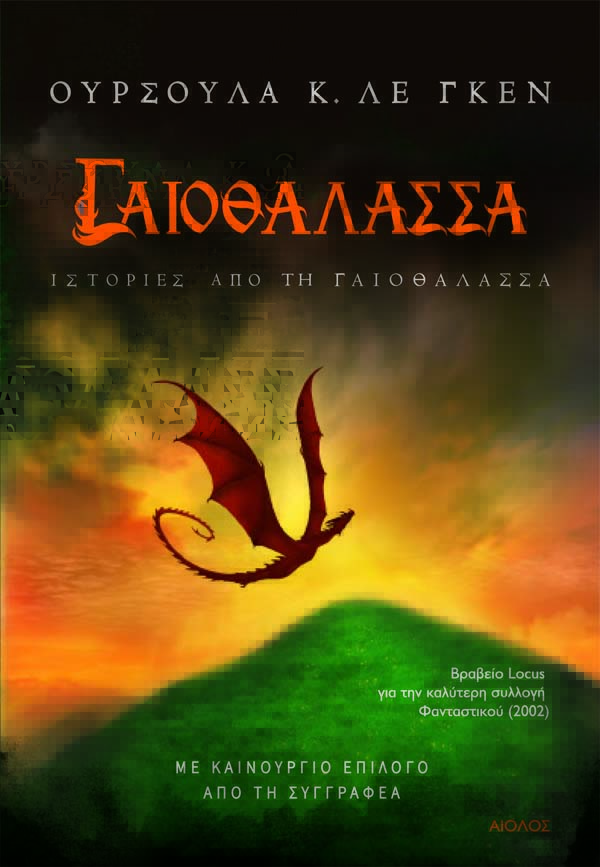
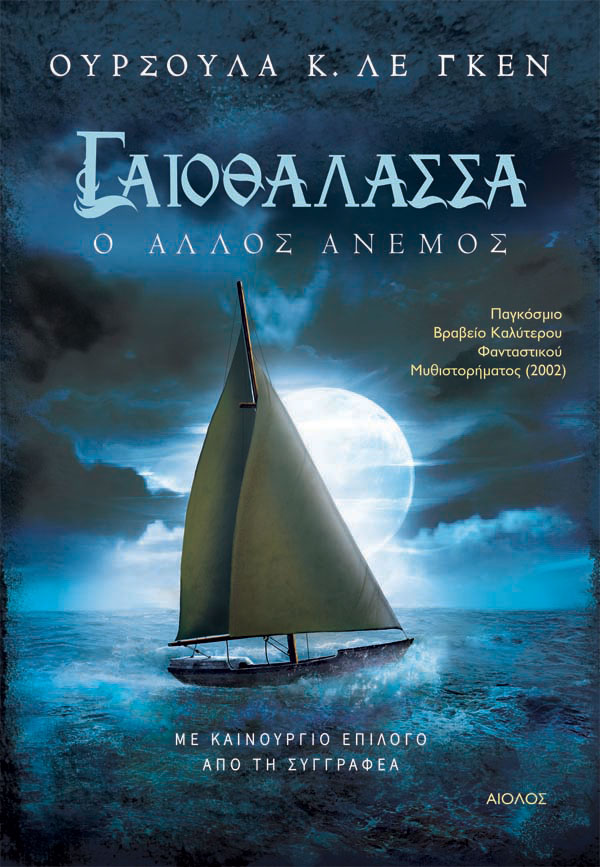
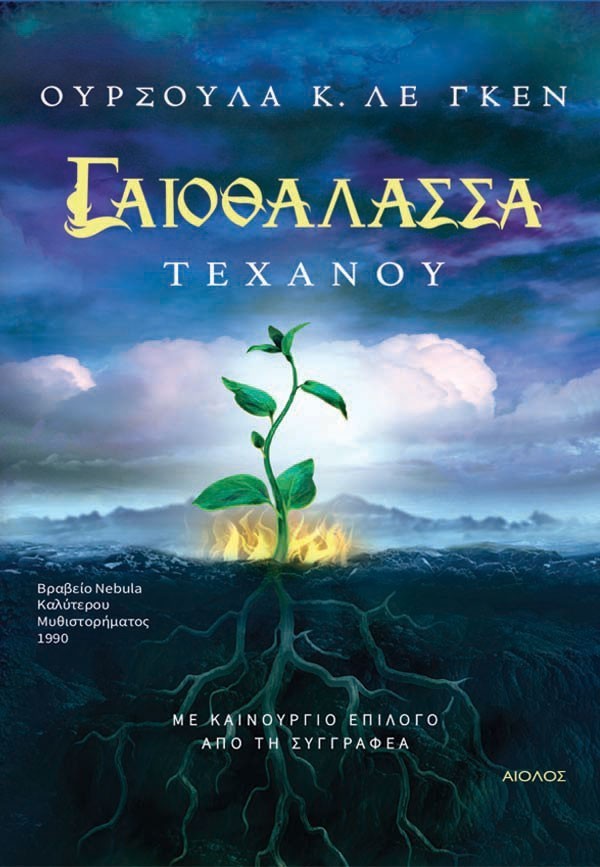
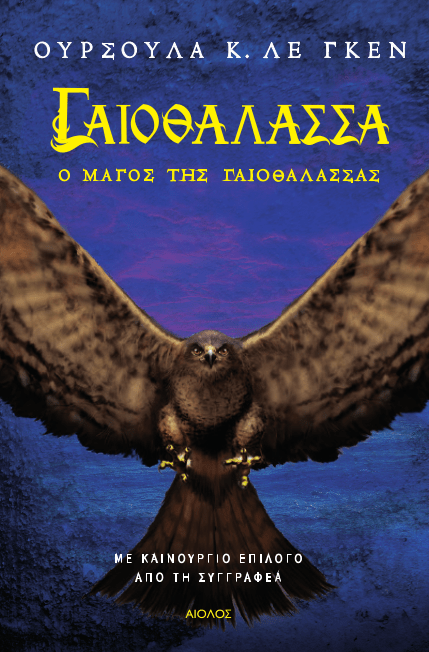
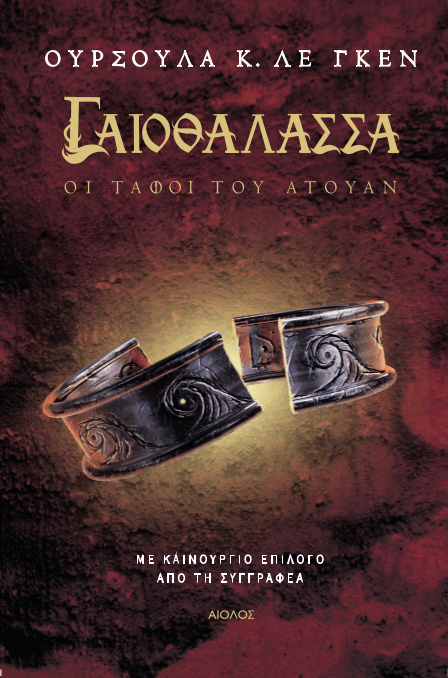
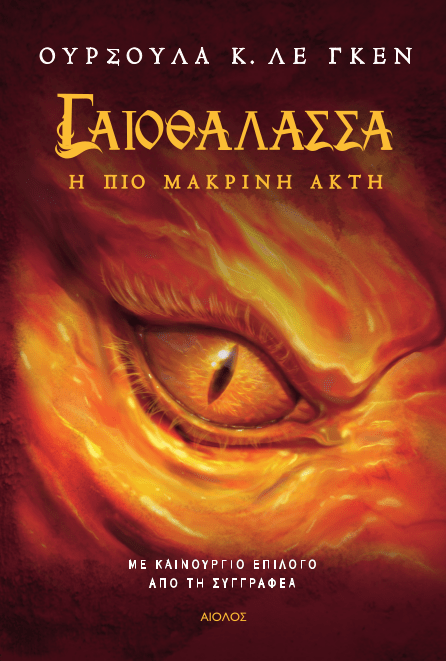
Her major works include the Earthsea series (1968–2001), The Dispossessed (1974), The Left Hand of Darkness (1969), and The Lathe of Heaven (1971).
Nestled among the lesser-known mountains and valleys of Central Europe, east of Austria and north of Slovenia, lies the ancient kingdom of Orsinia — a land of forests, vast farmlands, and small provincial towns, with its capital, Krasnoy, stretching along the banks of the River Molsen.
Like many European nations of the nineteenth century, Orsinia has long existed under the shadow of a great continental power beyond its borders. Yet in Orsinian Tales, Ursula K. Le Guin shows how the lives and dreams of its ordinary inhabitants matter just as much as the ambitions, conflicts, and struggles of Europe’s monarchs and dictators.
The stories in the collection span a long historical period, from Orsinia’s emergence as an independent kingdom in the twelfth century to its absorption into the Eastern Bloc after the Second World War.
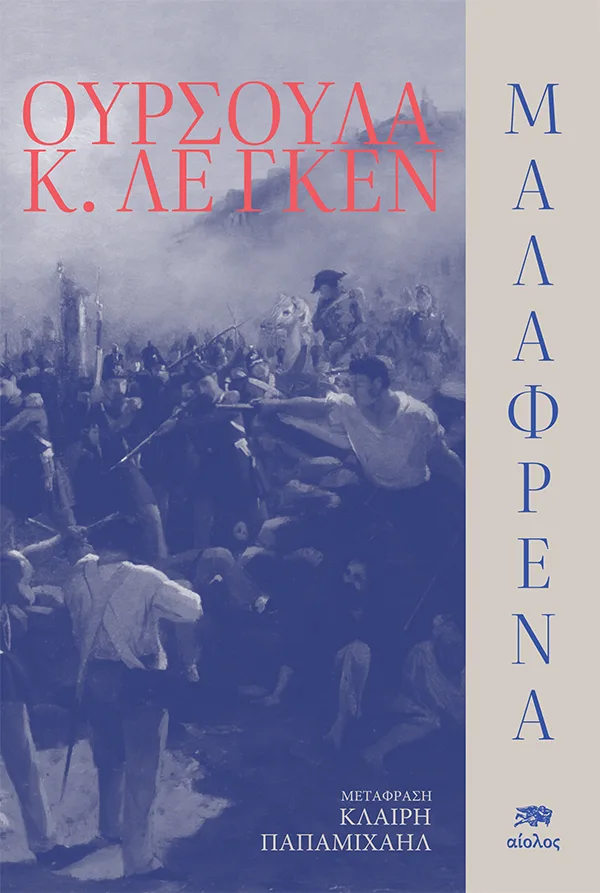
The Orsinian cycle also includes the novel Malafrena.