“I say to you againe…”
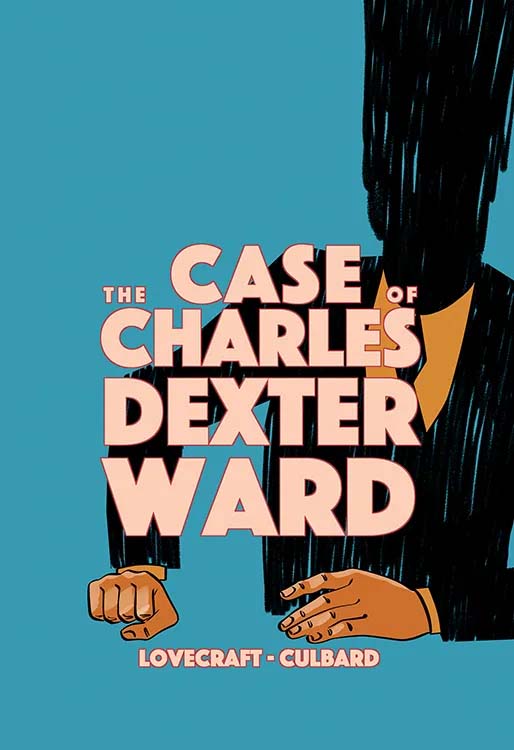
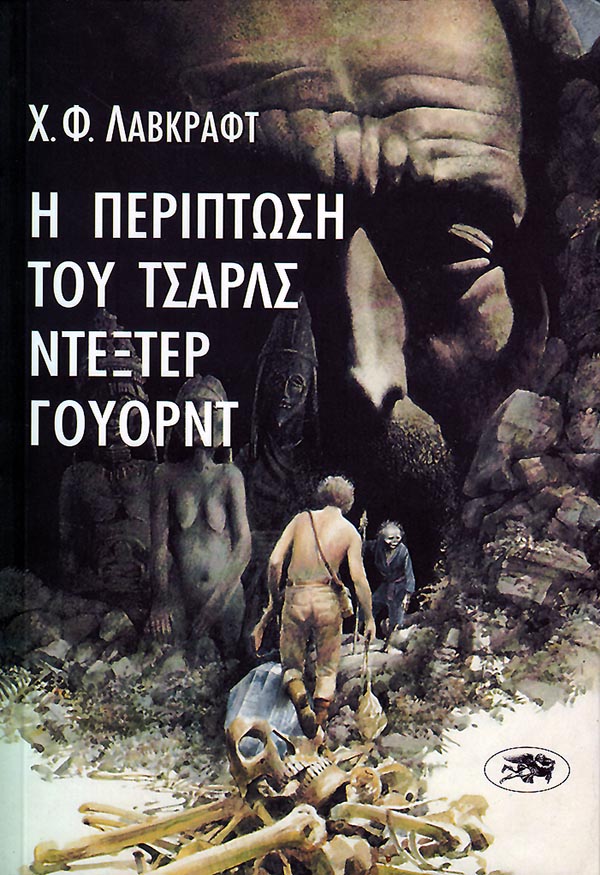
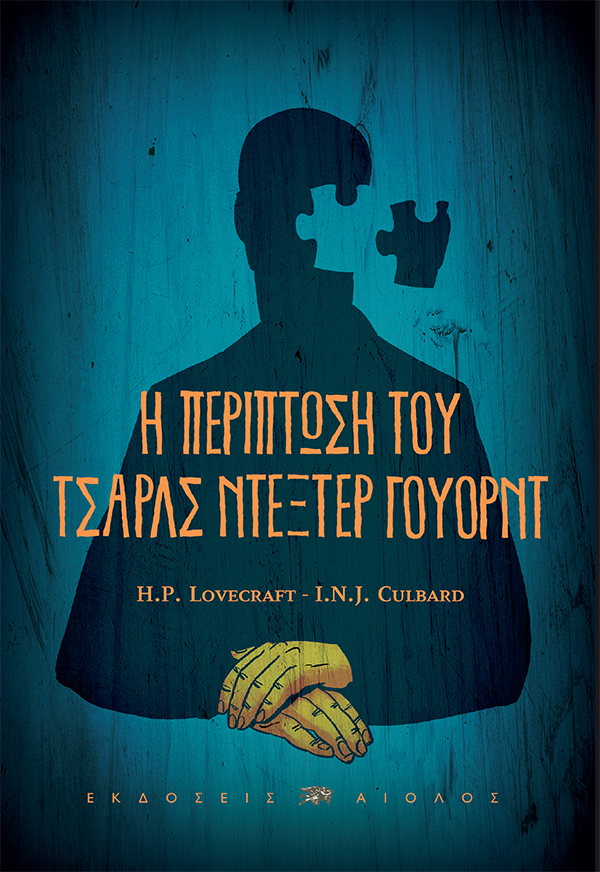
In Providence, in 1928, Charles Dexter Ward mysteriously disappears from a locked room in a private asylum. His descent into madness had begun years earlier, when an obsession with his ancestor — the notorious occultist Joseph Curwen — drew him into forbidden excavations and sinister rites. As the family doctor, Dr. Willett, investigates the case, he uncovers a terrifying truth reaching beyond death itself, toward ancient forces that should never have been called back into the world.
“…doe not call up any that you cannot put downe…”
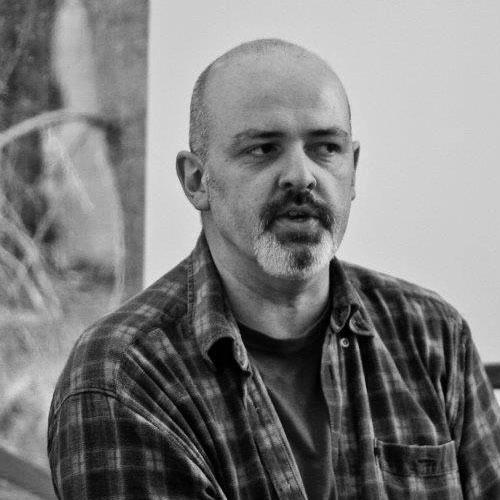
I.N.J. Culbard was born in Greenwich, London. He has received awards for both his illustration and writing.
In 2006, among thousands of other comics artists and writers, he succeeded in having his work published in the Dark Horse Comics anthology New Recruits.
Since then, he has presented his work in the anthology series Dark Horse Presents, as well as in Judge Dredd Magazineand 2000 AD (Bass Sun). Some of his works have also been published by Vertigo (The New Deadwardians).
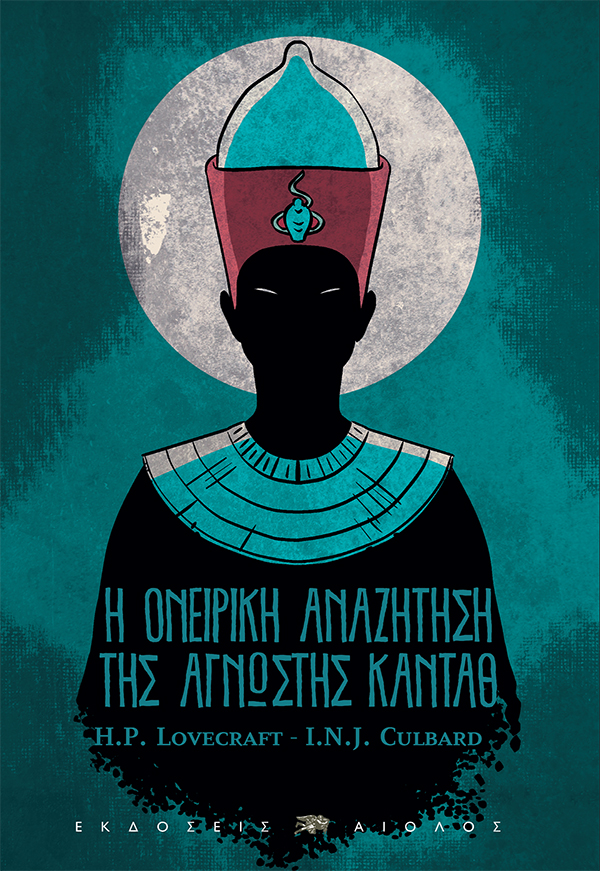
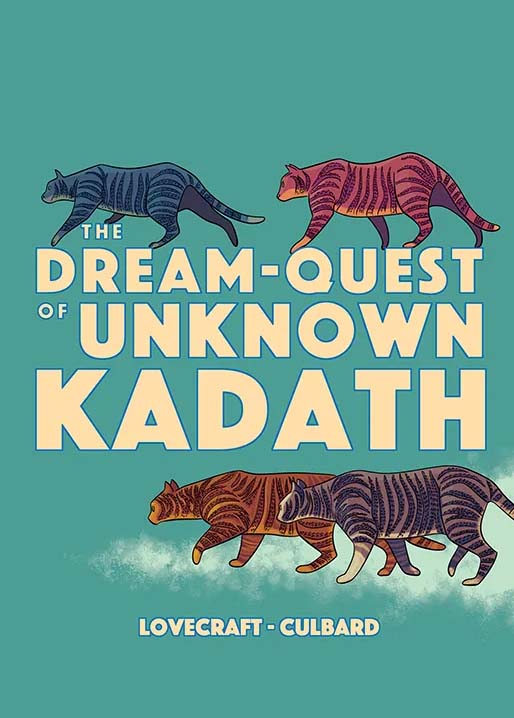
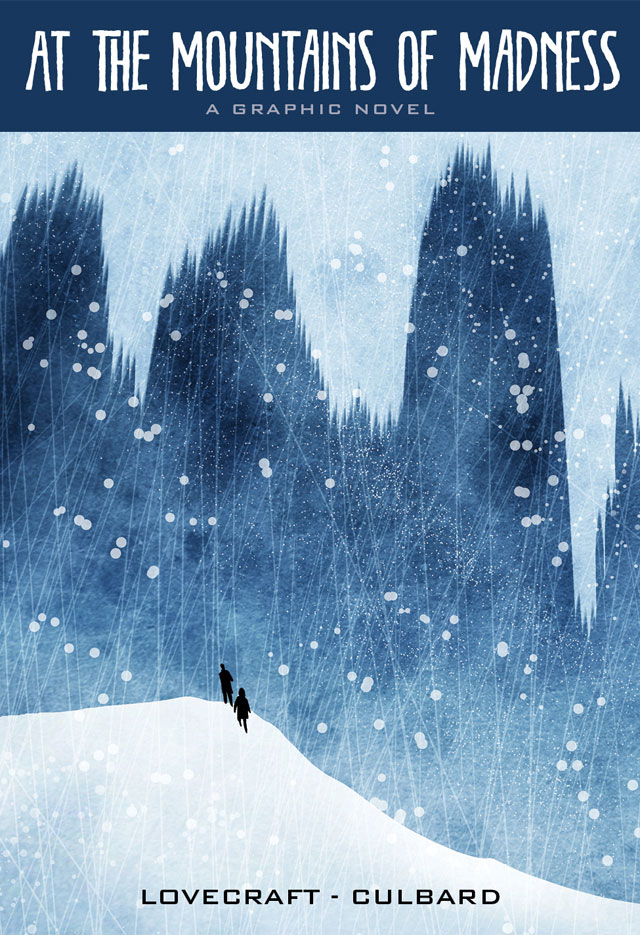
With the publisher SelfMadeHero, he has produced graphic novel adaptations of The Picture of Dorian Gray, The Hound of the Baskervilles, A Study in Scarlet, The Sign of Four, The Valley of Fear, The Case of Charles Dexter Ward, Deadbeats, and At the Mountains of Madness, for which he received the British Fantasy Award in 2011.
“I have known the young man since he was a child…”
Written in 1927–28, The Case of Charles Dexter Ward ranks among the most ambitious works ever produced by H. P. Lovecraft (1890–1937). The novel was never submitted for publication during the author’s lifetime and first appeared only in an abridged version in the magazine Weird Tales in 1941. The complete text was finally published in 1943 by Arkham House in the collection Beyond the Wall of Sleep. In the years since, it has come to be regarded as one of Lovecraft’s finest achievements in horror fiction.
Beginning with the mysterious disappearance of Charles Dexter Ward from a private asylum, the story quickly draws the reader into a terrifying family history and a dark world of grave-robbing, occult experimentation, and mounting evil. Built around classic Lovecraftian themes — including madness and forbidden knowledge — the novel stands as a major contribution to the broader Cthulhu Mythos.
Once again, we encounter Lovecraft’s central idea: that malevolent forces exist beyond our world and beyond human understanding, forces utterly indifferent to mankind. The insignificance of human affairs within the vastness of the universe subtly infects the reader’s own anxieties, creating an atmosphere of almost suffocating dread. Lovecraft’s reluctance to publish The Case of Charles Dexter Ward stemmed largely from his deep-rooted doubts about the quality of his own writing. Perhaps for this reason, the novel increasingly turns toward questions of identity and the nature of human existence itself.
Yet contrary to Lovecraft’s own fears, the novel contains everything that admirers of the macabre could hope for. By setting the story in his native Providence, Rhode Island, the author anchors his grotesque and improbable tale within a familiar reality, making its horrors all the more shocking when they finally emerge. I. N. J. Culbard’s gripping graphic novel adaptation masterfully translates these ideas into visual form, giving Lovecraft’s nightmare world a tangible presence and a breathtaking sense of revelation. Lovecraft’s doubts about the novel’s success ultimately proved unfounded.
“…to this very day.”
“A bleak atmosphere, Gothic sensibility, and impending doom.”
“Ian Culbard builds it brilliantly.”