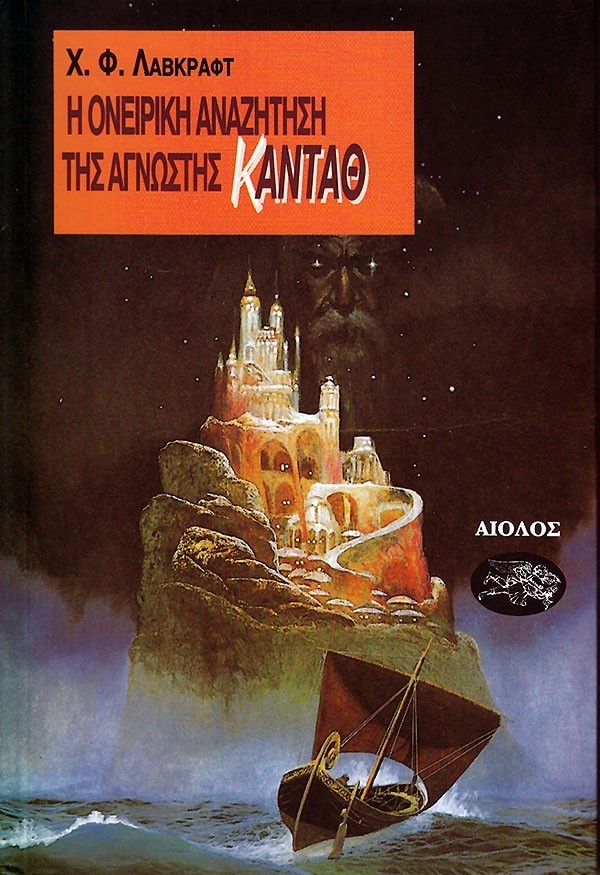
“Three times I dreamed of the marvellous city… three times I turned back.”
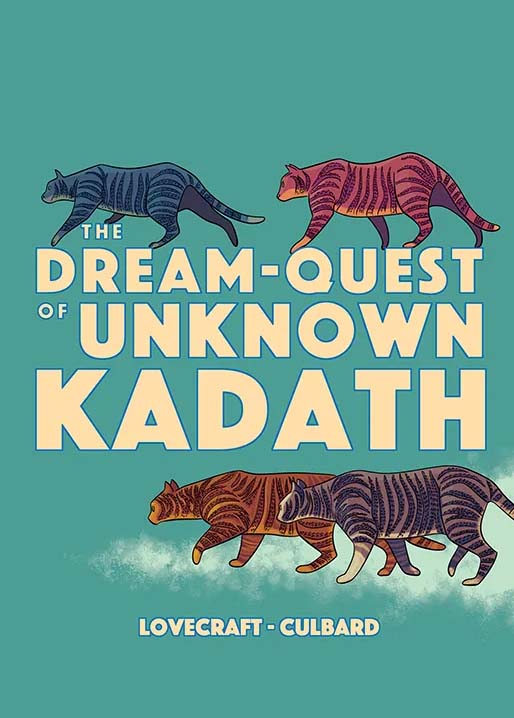
Driven by an obsessive longing to return to the city he once glimpsed in his dreams, Randolph Carter leaves behind the banality of everyday life and journeys into a vivid dreamworld where anything is possible. But as he draws closer to his destination — the mysterious Kadath, dwelling place of the gods themselves — another force begins to follow him, dark and menacing, pursuing designs of its own.
An epic fantasy tale blending adventure, peril, and the uncanny, The Dream-Quest of Unknown Kadath explores memory and forbidden knowledge through the boundless imagination of H. P. Lovecraft.
I.N.J. Culbard was born in Greenwich, London. He has received awards for both his illustration and writing.
In 2006, among thousands of other comics artists and writers, he succeeded in having his work published in the Dark Horse Comics anthology New Recruits.
Since then, he has presented his work in the anthology series Dark Horse Presents, as well as in Judge Dredd Magazineand 2000 AD (Bass Sun). Some of his works have also been published by Vertigo (The New Deadwardians).
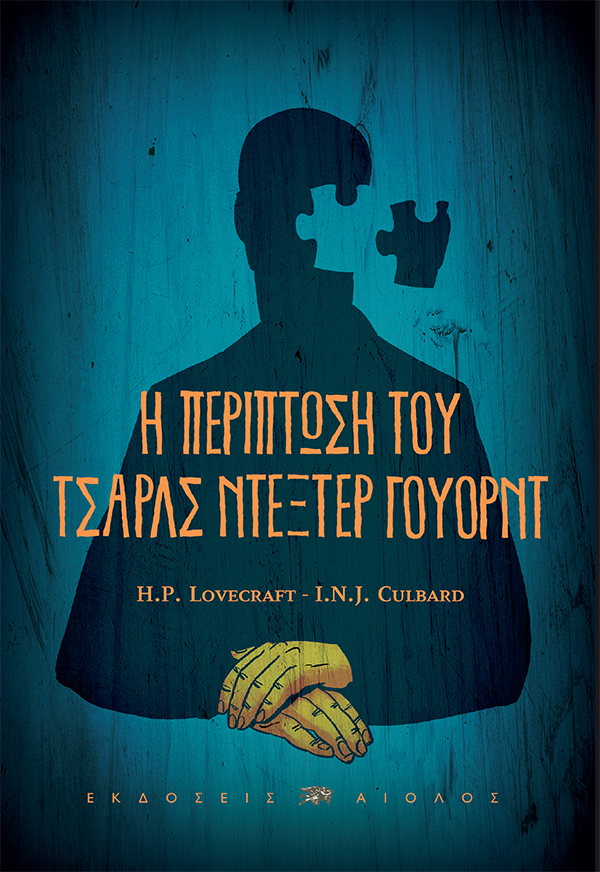
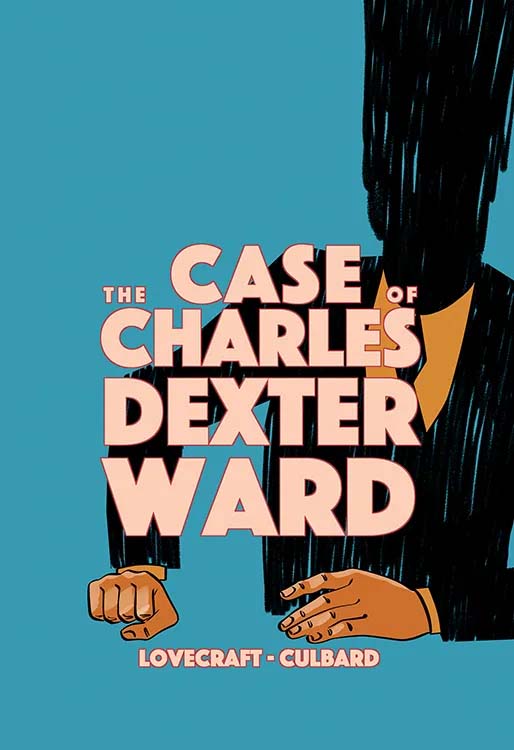
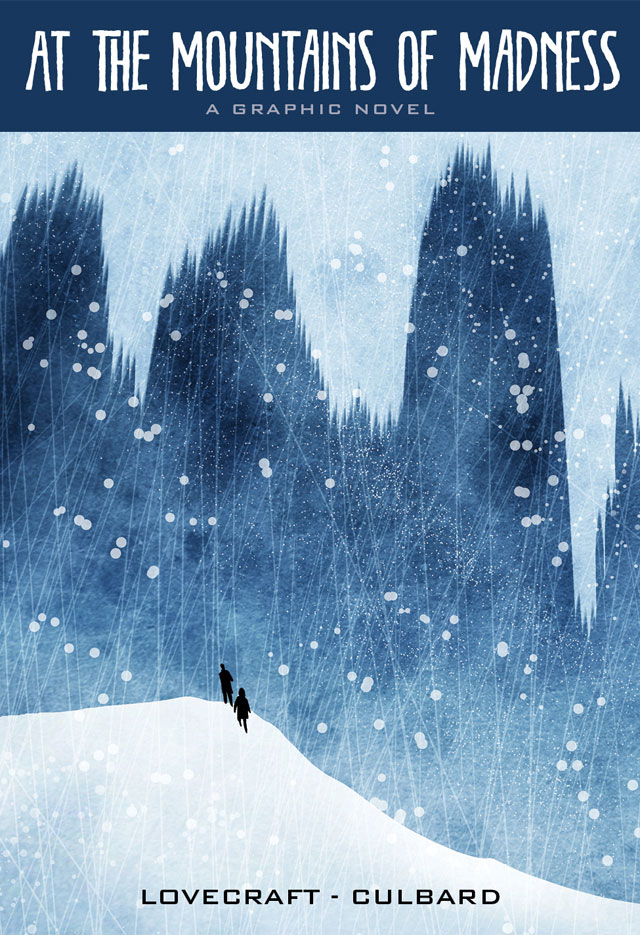
With the publisher SelfMadeHero, he has produced graphic novel adaptations of The Picture of Dorian Gray, The Hound of the Baskervilles, A Study in Scarlet, The Sign of Four, The Valley of Fear, The Case of Charles Dexter Ward, Deadbeats, and At the Mountains of Madness, for which he received the British Fantasy Award in 2011.
“I see you, Randolph Carter…”
Although unpublished during the lifetime of H. P. Lovecraft (1890–1937), The Dream-Quest of Unknown Kadath is the longest and most ambitious of the author’s Dream Cycle works. Written in 1926–27, the novella was never revised by Lovecraft himself, preserving the fluid, elusive logic of the dreams it portrays. Alongside The Case of Charles Dexter Ward, it is regarded as one of the major achievements of this especially fertile period in the author’s career.
The story follows the wanderings of Randolph Carter through a world of breathtaking — and at times terrifying — landscapes, populated by unexpected allies and grotesque monsters. Lovecraft blends horror and fantasy into an epic narrative shaped by the wild leaps of imagination and logic through which dreams themselves are formed. Drawing heavily on earlier Lovecraft stories, both in theme and character, the novel may not strictly belong to the “Cthulhu Mythos,” yet it remains deeply connected to the wider imaginative universe of the author.
Randolph Carter, who appears in several of Lovecraft’s works, is clearly an idealised reflection of the writer himself: a romantic, cultivated man more at ease within the landscapes of dream and imagination than in the world of ordinary reality. Here, as an explorer of dreams, he shifts constantly between passive observer and active participant — just as we all do within our own dreams.
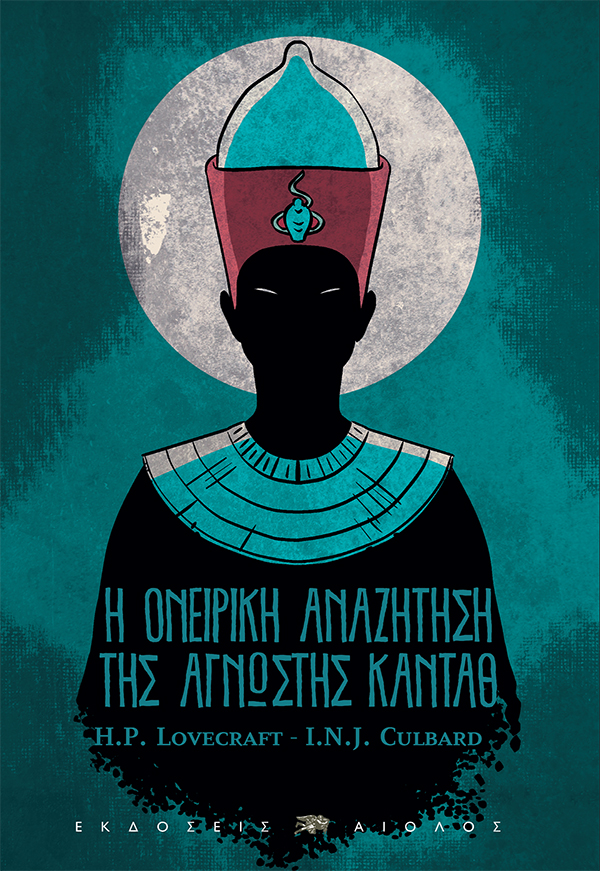
I. N. J. Culbard captures this duality masterfully in a vivid graphic adaptation that streamlines Lovecraft’s narrative while bringing to life its uncanny fusion of the surreal, the menacing, and the fantastic.
“…I see you!”
“Culbard showcases his exceptional storytelling skill.”