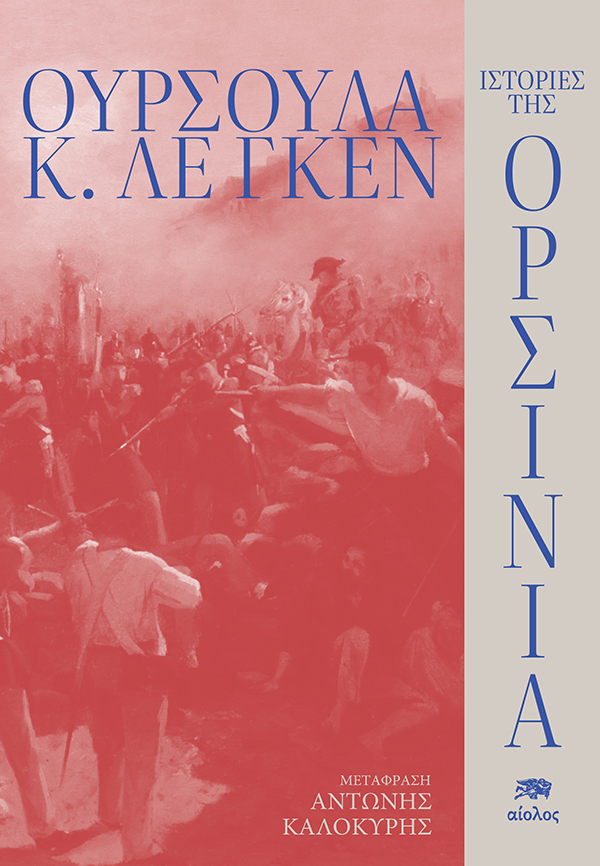
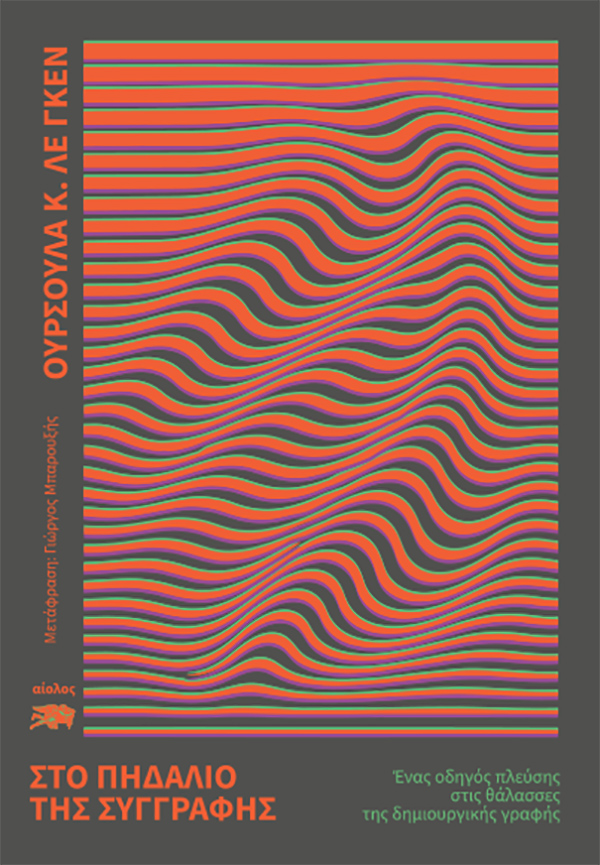
Ursula K. Le Guin was not only one of the most important American writers of the twentieth century, but also an exceptional teacher of the craft of writing. In this guide, she shares with clarity, precision, and generosity the insights she gained from a lifetime devoted to literature.
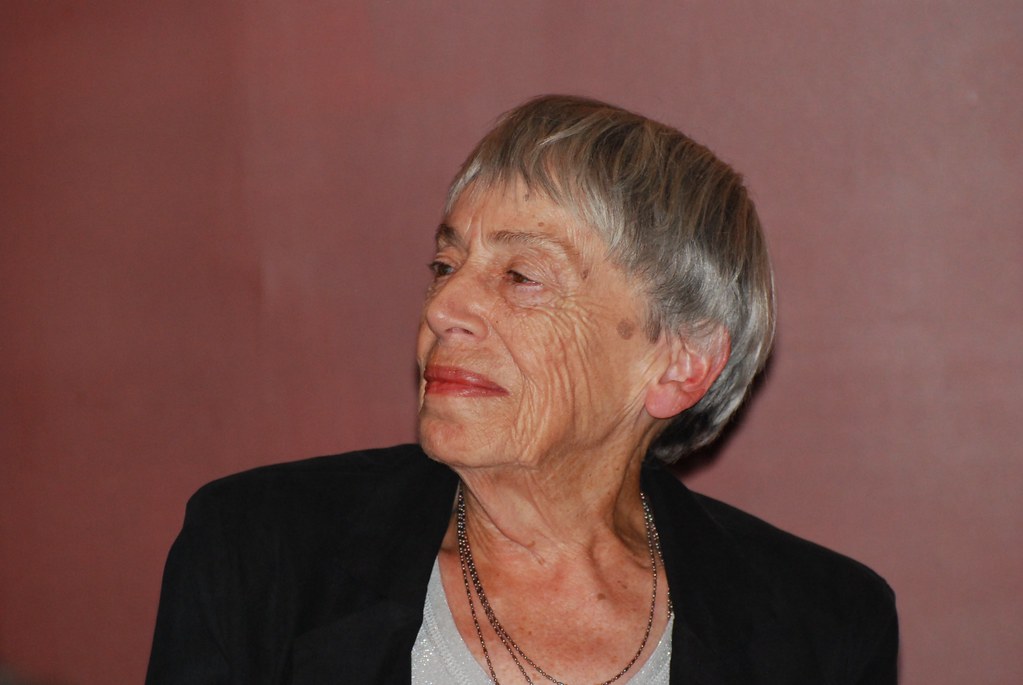
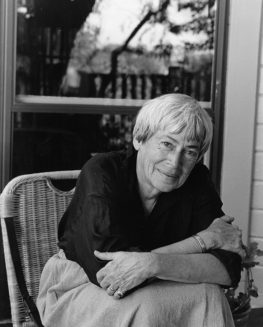
Ursula K. Le Guin (21/10/1929 – 22/01/2018) was an American novelist and poet with a major contribution to speculative fiction and is regarded as one of the most important American writers of the 20th century.
She was known for her polished, stylistically refined prose and for her bold, unconventional treatment of themes, strongly influenced by feminist and socially progressive ideas, as well as Taoism, ecology, metaphysics, and utopian thought.
Ursula K. Le Guin received multiple major awards in speculative fiction, including five Hugo Awards and six Nebula Awards. In 2013 she was named Grandmaster of Science Fiction by the Science Fiction and Fantasy Writers of America (SFWA), and in 2014 she received the National Book Award Medal for Distinguished Contribution to American Letters—an honor reflecting her wide influence across literature.
Daughter of anthropologists, she grew up in an intellectual environment, studied Medieval and Renaissance Romance literature, and published her first novel in 1966.
By 1970 she had already established herself as one of the most significant literary voices in science fiction and fantasy. Her work is diverse, spanning essays and poetry, and she also translated important works of world literature, including Laozi’s Tao Te Ching, one of the foundational texts of Chinese philosophy.
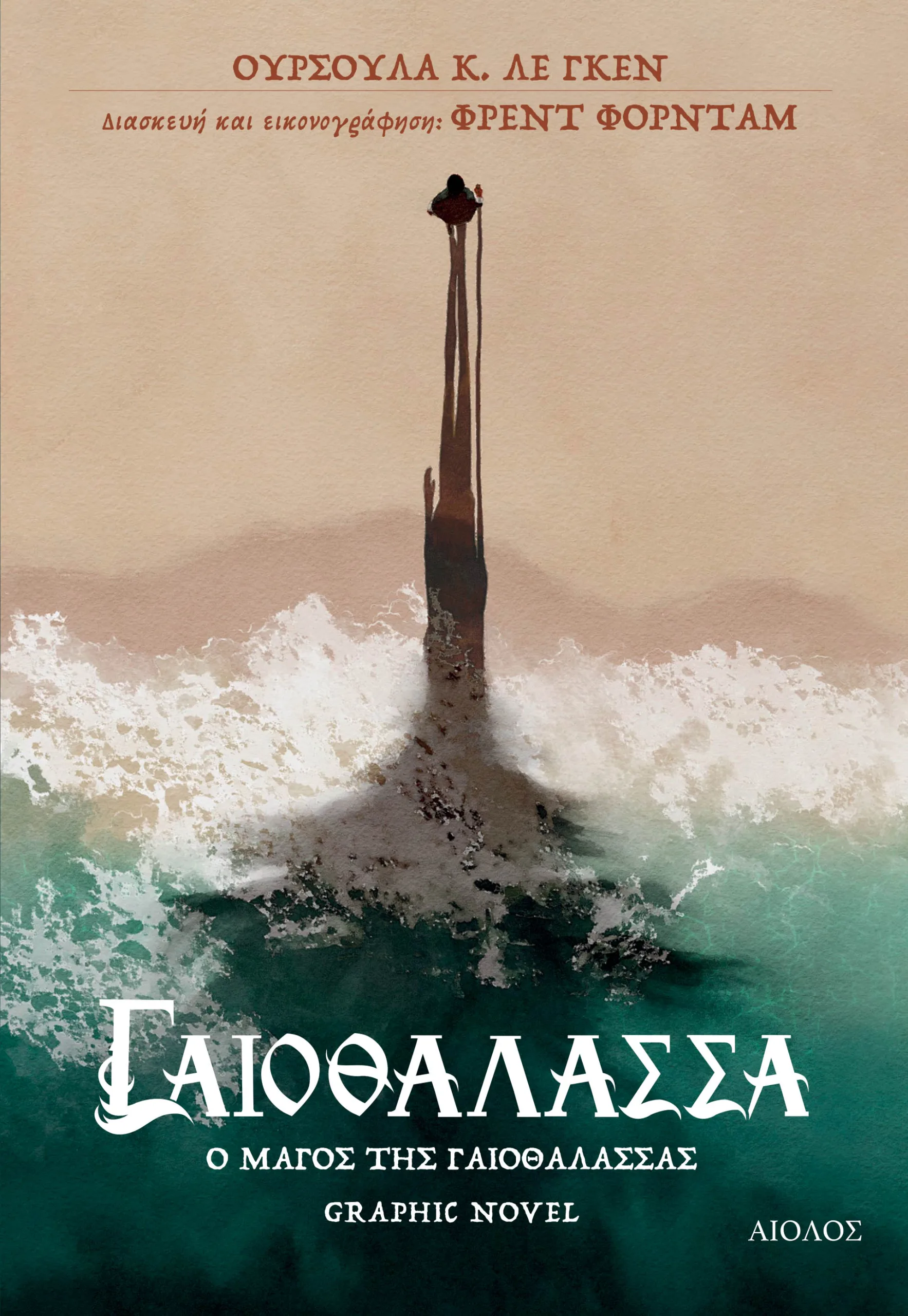
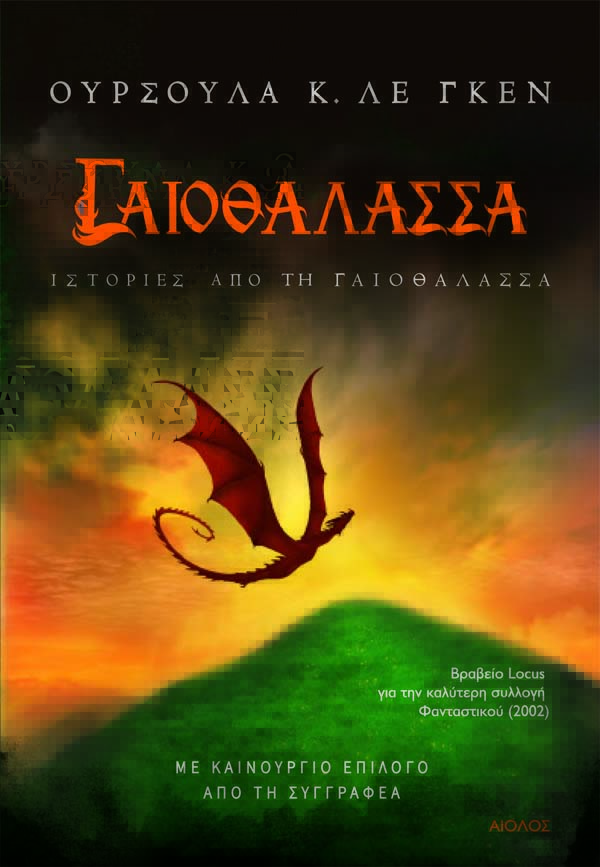
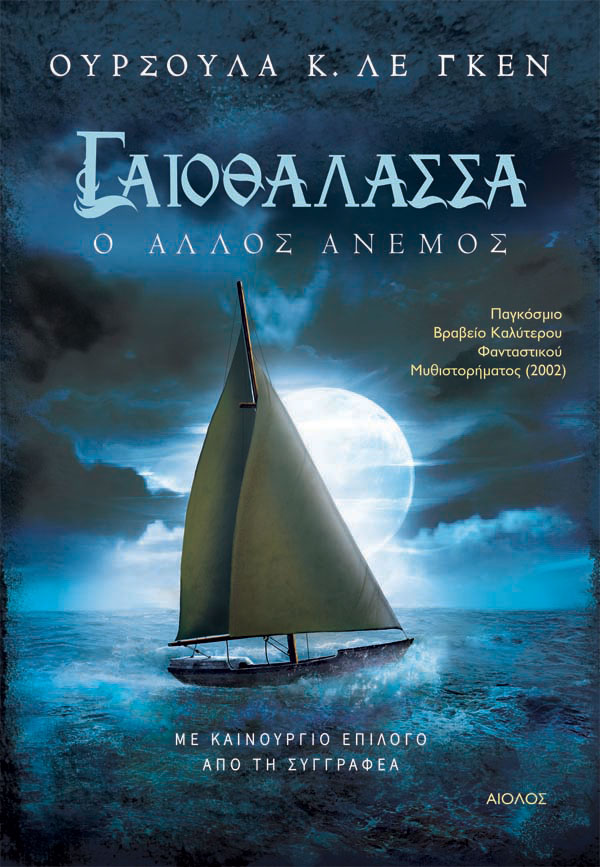
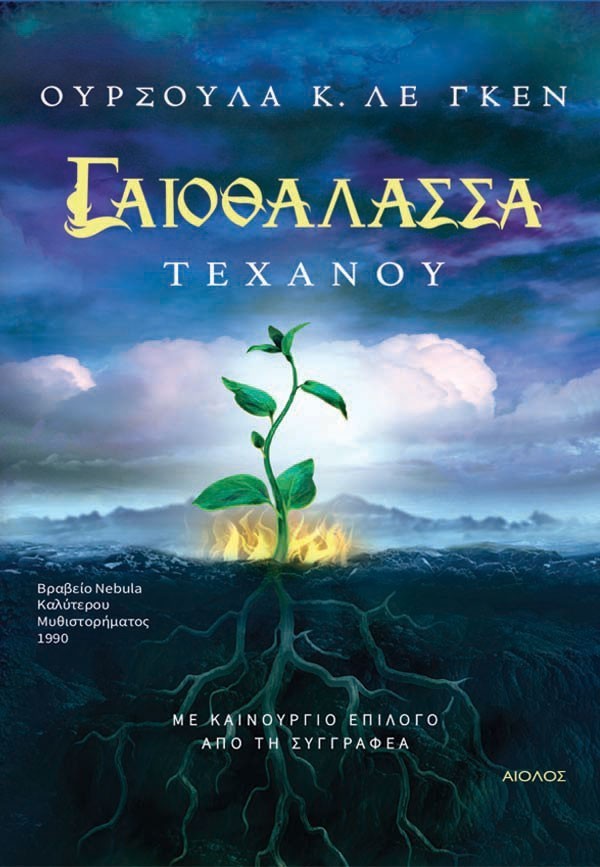
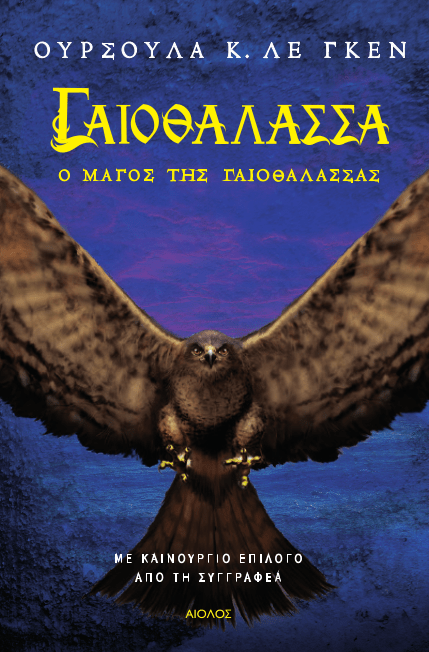
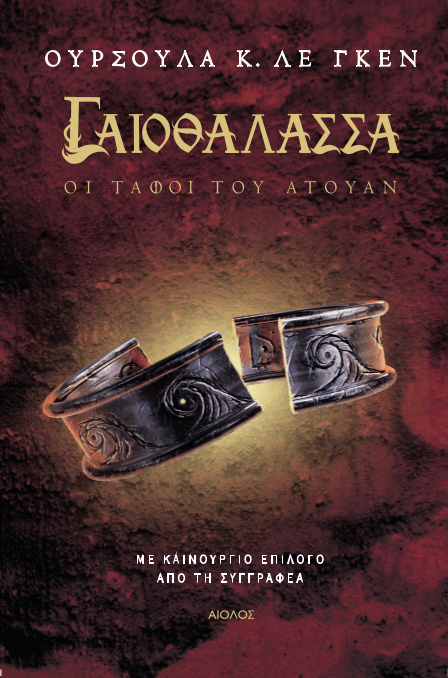
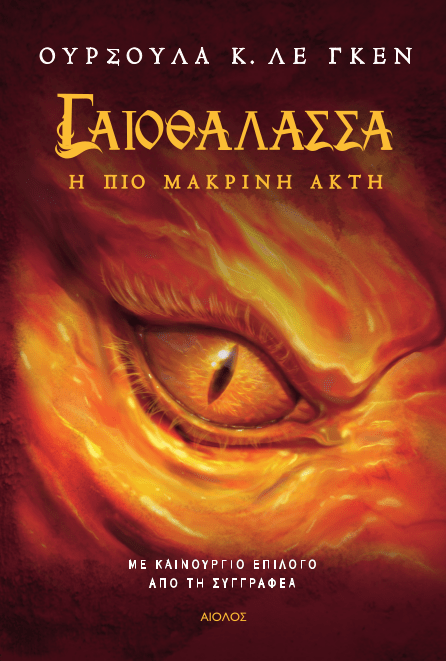
Her major works include the Earthsea series (1968–2001), The Dispossessed (1974), The Left Hand of Darkness (1969), and The Lathe of Heaven (1971).
With practical exercises, thoughtful reflections, and carefully chosen examples, Ursula K. Le Guin explores rhythm, voice, point of view, structure, and economy of language — all those “invisible” tools that allow a piece of writing to breathe and carry the reader effortlessly forward. Far removed from formulas for success or easy shortcuts, Le Guin advocates instead for discipline, attentiveness to language, and a deep listening to the story itself.
A compass-like book for both emerging and experienced writers, as well as for any reader who wishes to understand the art of storytelling from within.
“Ursula K. Le Guin is the finest writer American literature has to offer.”
“Le Guin is a writer of extraordinary intelligence, deeply thoughtful and masterful in her storytelling, with the humour and power of a Mark Twain. She writes for everyone, from the intellectual readers of The New Yorker to the most demanding audience of all—children. Whatever genre she takes on, she carries it one step further.”