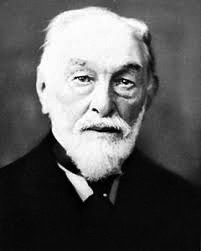
Frederick Harrison (1831–1923) was a British lawyer, historian, and writer. He was born in London. He received his early education at home, later attended a formal school, and in 1843 entered King’s College, from which he graduated in 1849.
During his humanities studies at Oxford, he adopted positivism as his philosophical outlook. Around 1850, he began to focus on legal matters, particularly labour law. In 1879, he married Ethel Bertha Harrison, with whom he had four sons.
Frederick Harrison developed a wide-ranging body of work and was a prolific author. He was regarded as a major intellectual figure of his time, with deep knowledge across his fields of interest, and was considered an independent and radical thinker.
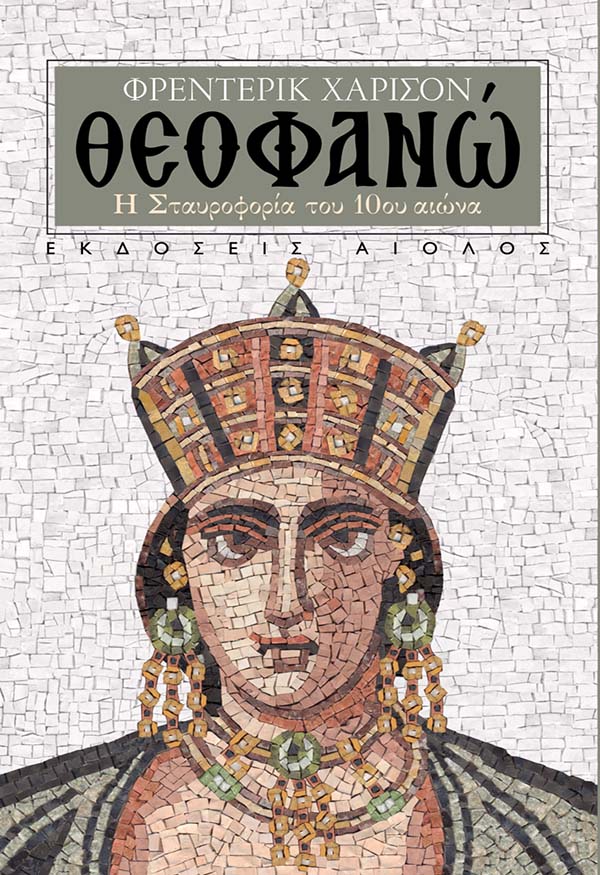
His extensive writings span history, philosophy, science, and literature. He had a strong admiration for ancient Greek civilisation and also studied Byzantium, authoring the significant work Byzantine History in the Early Middle Ages(1900).
In 1888, he visited Greece and, upon witnessing the desecration of the Parthenon under Lord Elgin, he was the first Englishman to raise the issue of returning the Parthenon Marbles to their place of origin.