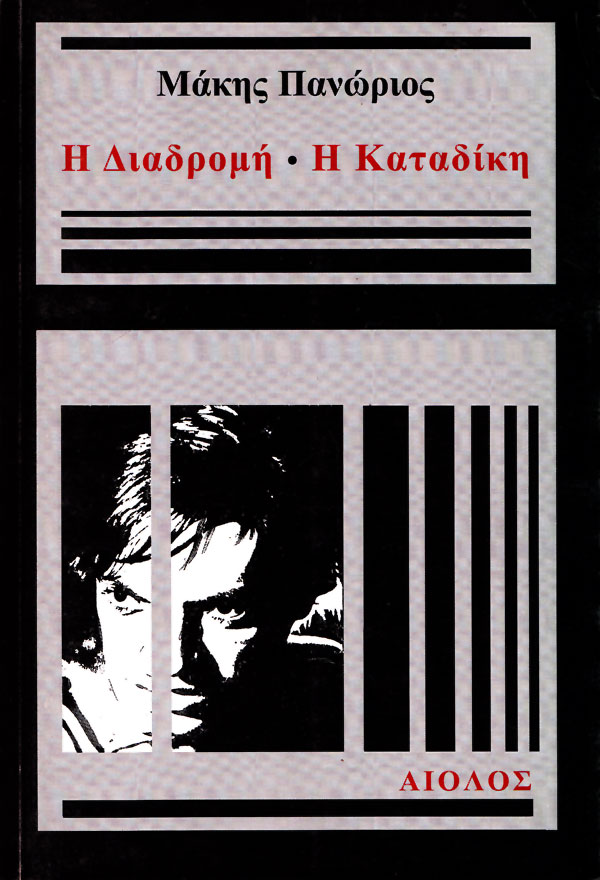
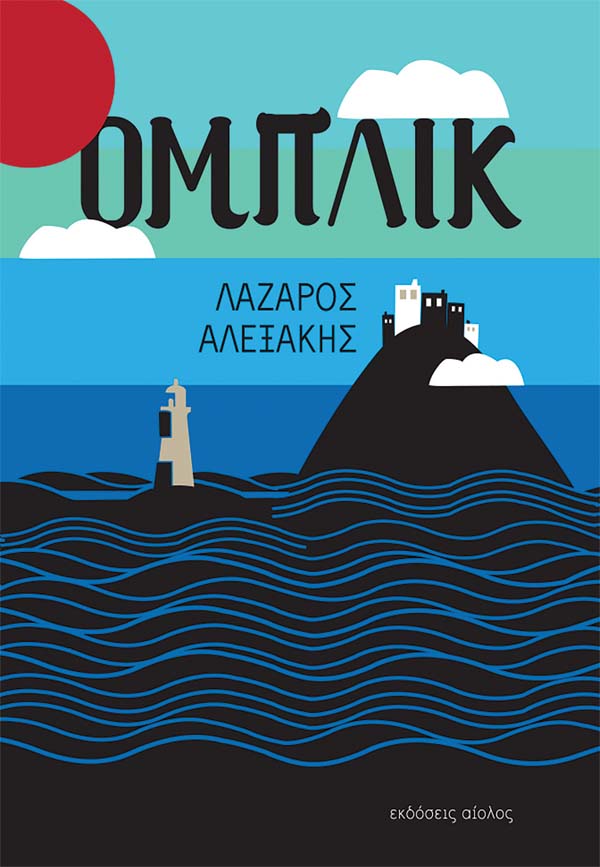
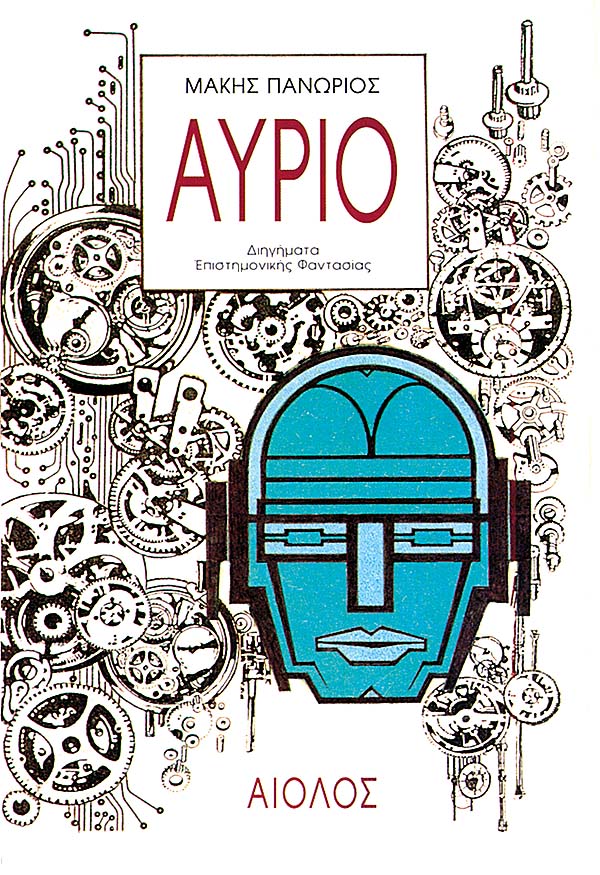
After a “prophetic” dream, Alexandros wakes up in his daily reality – he is immediately attacked by the Invaders. Then he realizes once again that he must survive the next twenty-four hours, full of anthropomorphic monsters, transformed demons and useless memories. His journey through the Slaughterhouse of the City demystifies the so-called “joy of life”.
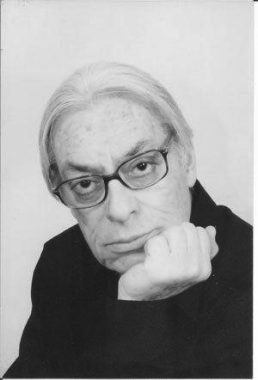
Andreas Panagopoulos resigned from his position as assistant in Athens in November 1967 and subsequently taught in private education.
He returned to the university after the restoration of democracy in Greek higher education in 1974. In February 1998, he was elected professor in the Department of Philology at the School of Humanities and Social Sciences of the University of Patras (this election is mentioned twice in the original text).
He worked extensively on Thucydides, Plato, and Aristotle, as well as on comparative philology and literary criticism. He specialized in the use of electronic tools (THESaurus Linguae Graecae) for research and teaching in Classical Philology, supported by a Fulbright scholarship.
He authored numerous books and also translated works from Ancient Greek, Latin, English, and Spanish. He wrote book reviews for Kathimerini, contributed articles to Ardην, and produced the television program We and the Ancients. He was also the founder and president of the Hellenic Blood Donors Association (ST.ELL.A.).
He passed away in June 2009. Five of his books are published by our publishing house.
Makis Panorios also worked as a writer beyond novels, producing novellas, short stories, theatre works, and criticism of books and film.
He illustrated more than five hundred books and edited or introduced around one hundred others. He served as artistic editor of the World Theatre series published by DODONI Editions and as director of the Fantasy Literature series published by AIOLOS Editions.
In 1993 he was awarded the International Book Prize for Science Fiction and Fantasy Literature by Brian Aldiss.
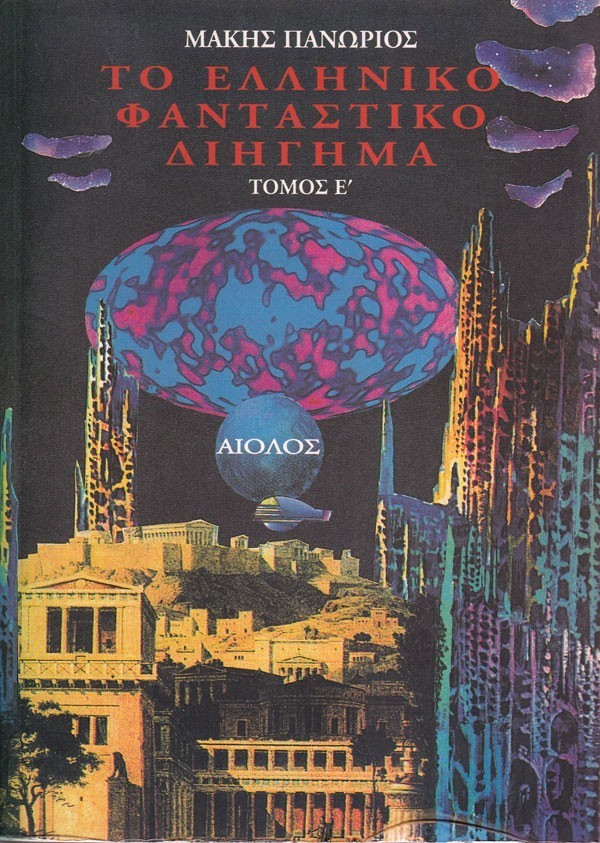
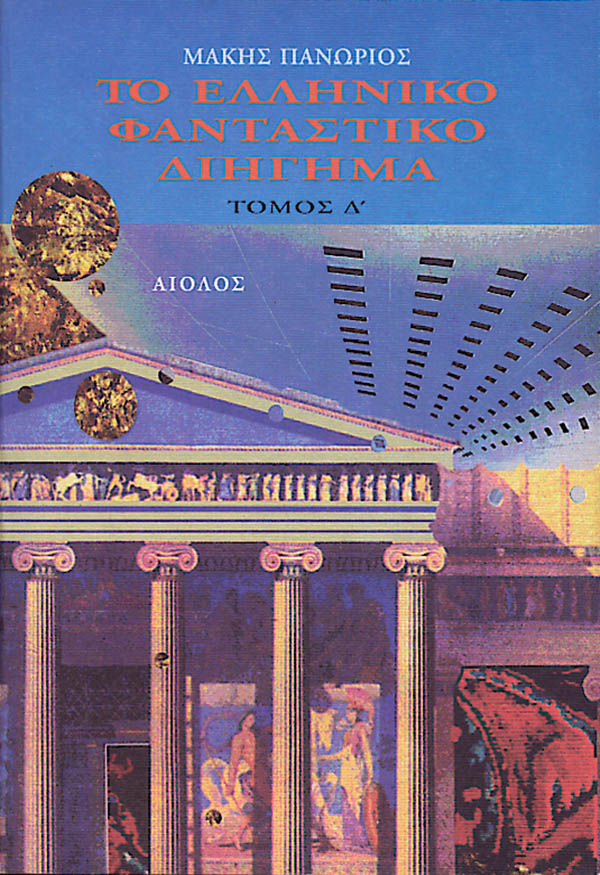
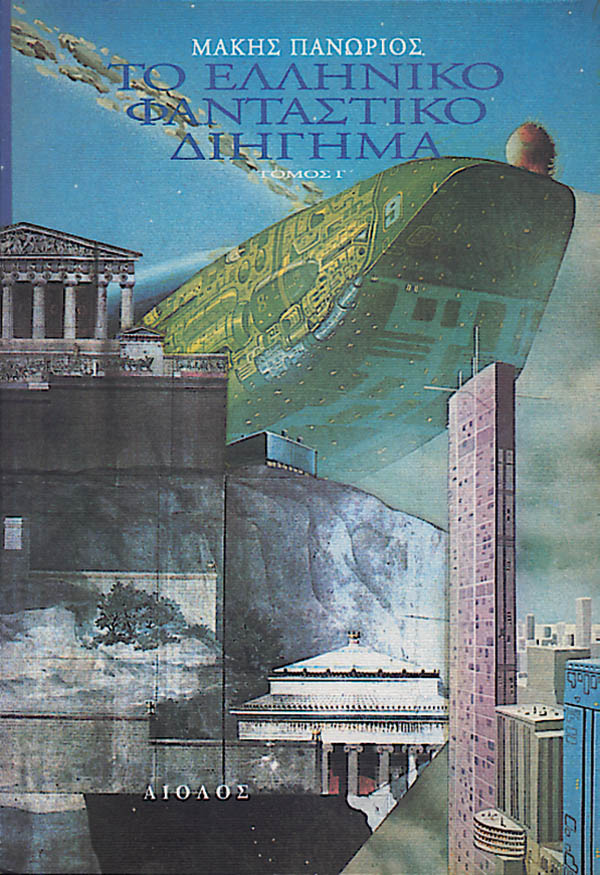
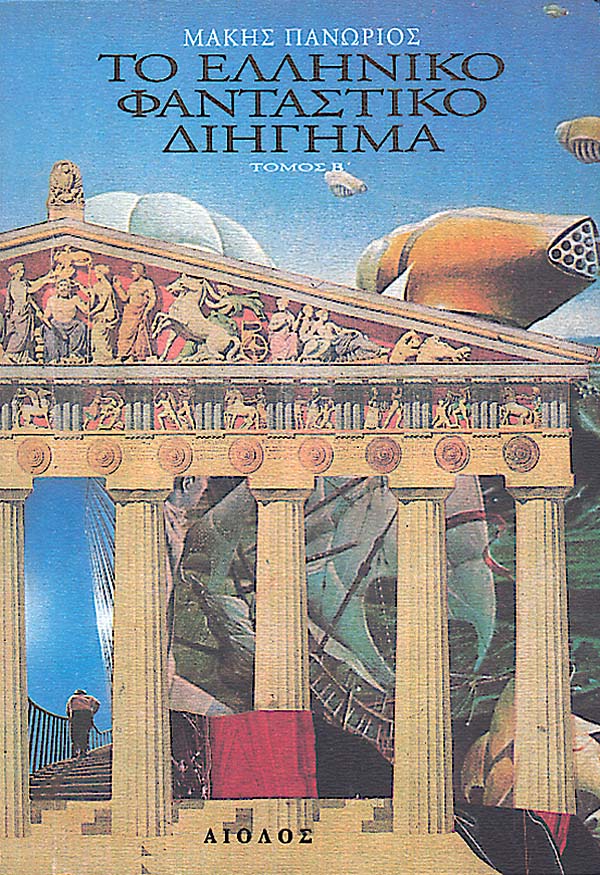
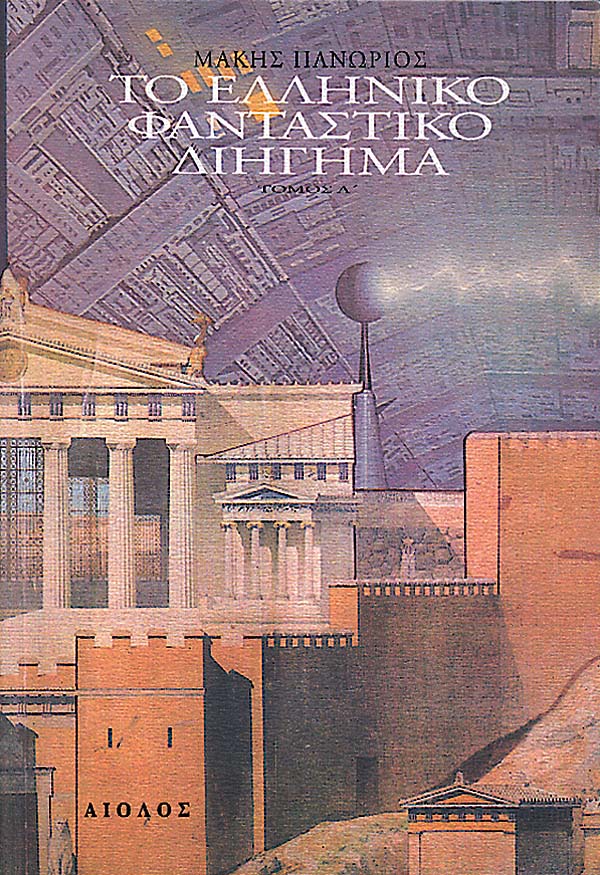
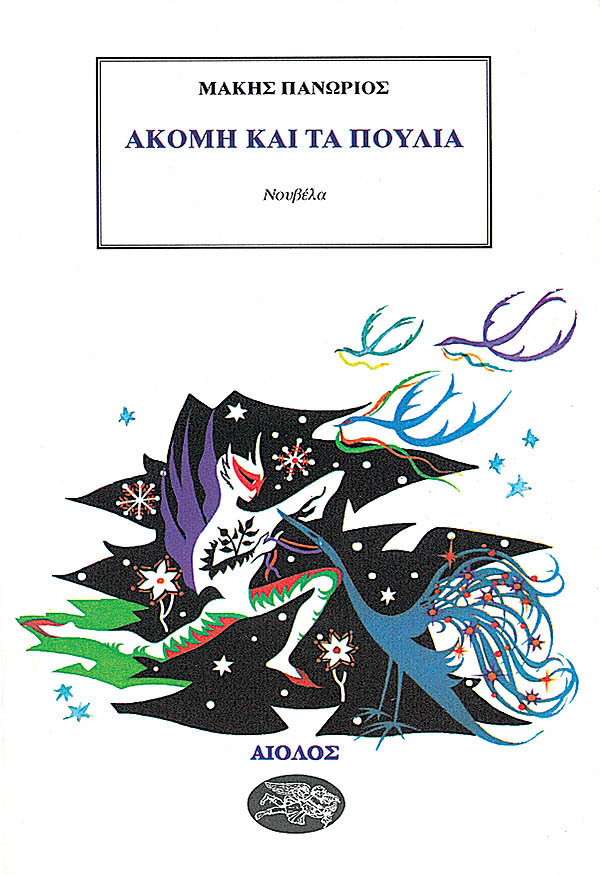
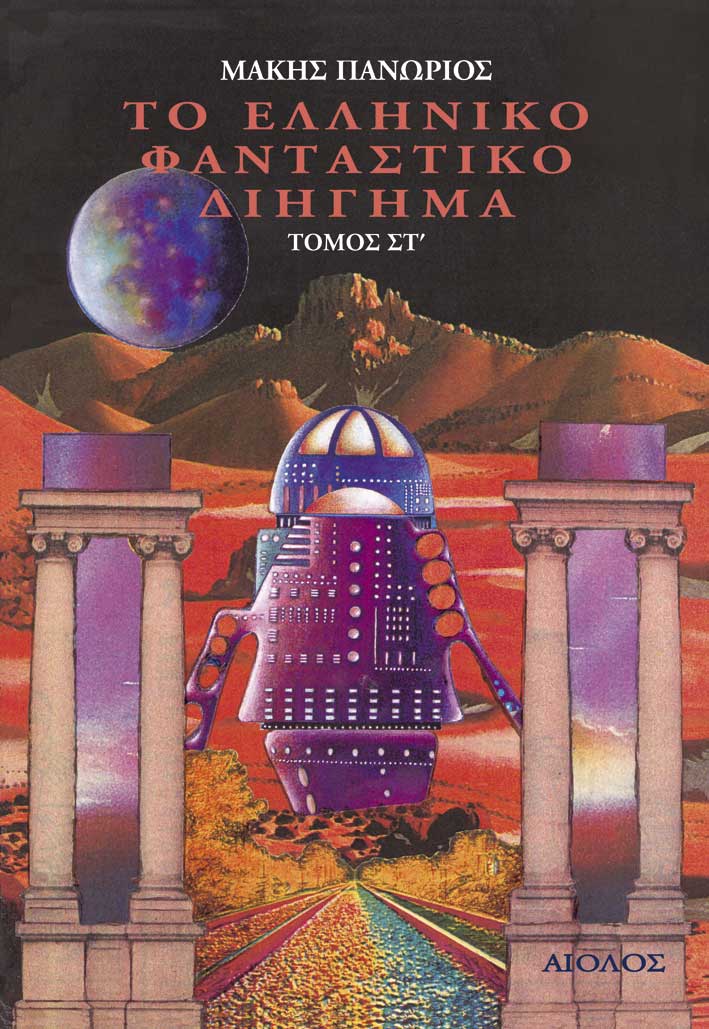
Among his works published by AIOLOS are Tomorrow, Even the Birds, and The Journey – The Condemnation, as well as the notable six-volume research series The Greek Fantastic Short Story. He also edited several anthologies, including Classic Ghost Stories, Metal Stories of Fantasy and Horror, Greek Science Fiction Short Stories, and The Golden Age.
He will later find that he is doomed to “live” in this incomprehensible, recurring nightmare for some inexplicable reason.
Spasmodic writing tries to “imitate” – and “copy” – the fragmented face of the conscious man. The Path and The Damnation are the components of the same ages-old drama.