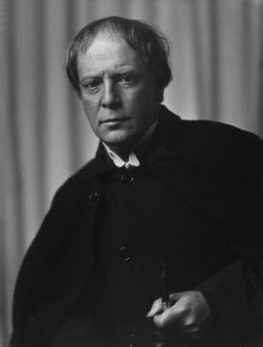
Arthur Llewelyn Jones (Arthur Machen) (1863–1947) was born in a small town in the county of Monmouthshire, Wales.
He experienced the mystical beauty of the landscape, along with its legends and traditions—elements that shaped his romantic sensibility and deeply influenced his later literary work.
After 1880 and for a long period of his life, he lived in London, working in various jobs (teacher, translator, actor, journalist, etc.).
His difficult daily life prevented him from fully developing his literary ambitions. However, the relatively small body of work he left behind shows that he was a distinctive and refined master of fantasy writing.
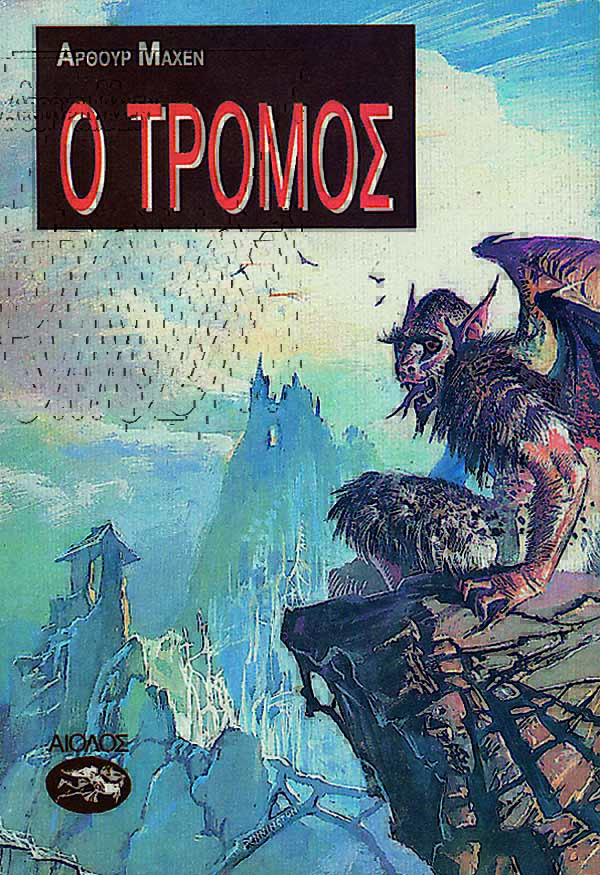
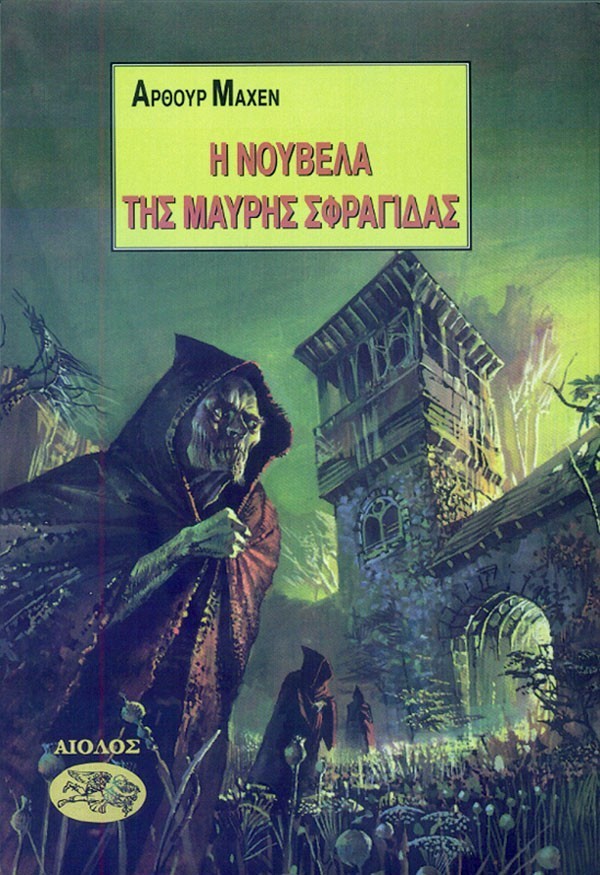
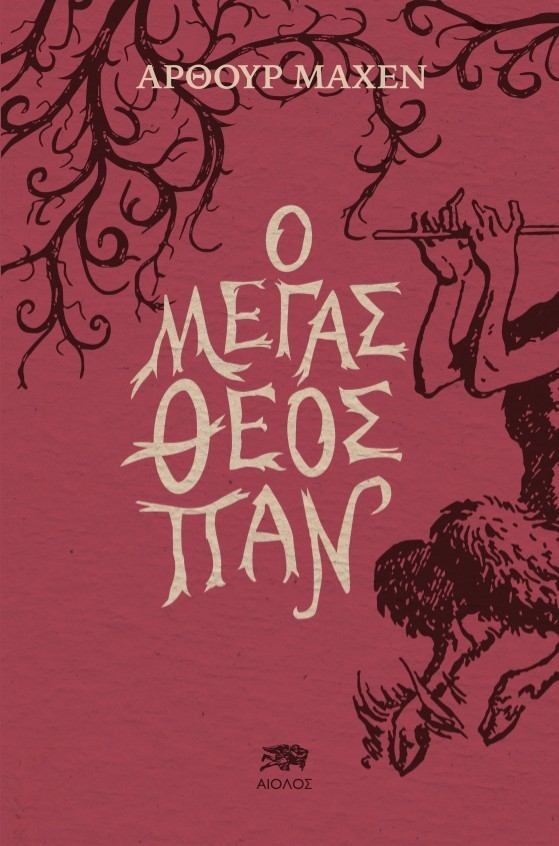
For this reason, his influence on 20th-century fantasy literature is significant. Among the works published in this series are The Great God Pan, The Novel of the Black Seal, and The Terror.