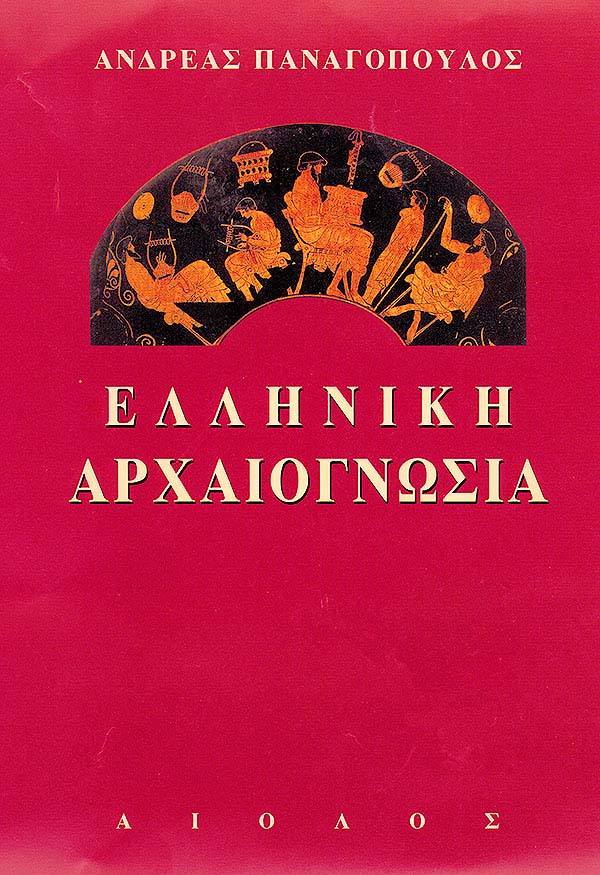
How much do we really know about the everyday life of the ancient Greeks, about small but important aspects of their lives?
Has our knowledge of antiquity given us any answers as to how young people were organized or educated in ancient Sparta and Crete? Did a Council of Women exist anywhere?
What did they write about water? What did they believe about the spirit of Olympism? What was the relationship between Byzantine poetry and ancient tragedy? What did the sponsors do? What did the deipnosophists say?
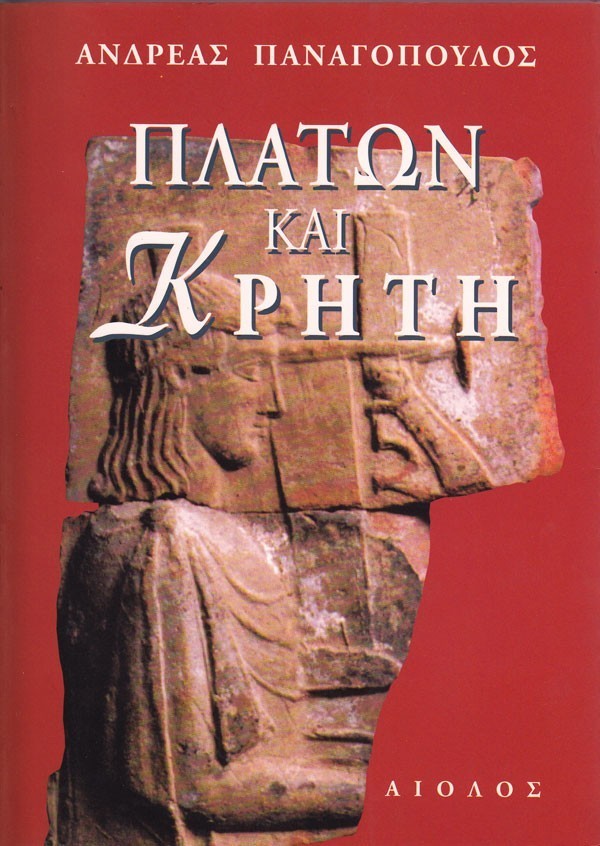
Andreas Panagopoulos was a distinguished PhD graduate of the University of London.
He studied at the Universities of Athens, Freiburg, and London, and has taught at the University of Crete, the University of Patras, as well as at Princeton, Rutgers, Lehigh, Queen’s University (New York), Humboldt University (Berlin), Nankai University (China), and the University of Bologna.

Andreas Panagopoulos resigned from his position as assistant in Athens in November 1967 and subsequently taught in private education.
He returned to the university after the restoration of democracy in Greek higher education in 1974. In February 1998, he was elected professor in the Department of Philology at the School of Humanities and Social Sciences of the University of Patras (this election is mentioned twice in the original text).
He worked extensively on Thucydides, Plato, and Aristotle, as well as on comparative philology and literary criticism. He specialized in the use of electronic tools (THESaurus Linguae Graecae) for research and teaching in Classical Philology, supported by a Fulbright scholarship.
He authored numerous books and also translated works from Ancient Greek, Latin, English, and Spanish. He wrote book reviews for Kathimerini, contributed articles to Ardην, and produced the television program We and the Ancients. He was also the founder and president of the Hellenic Blood Donors Association (ST.ELL.A.).
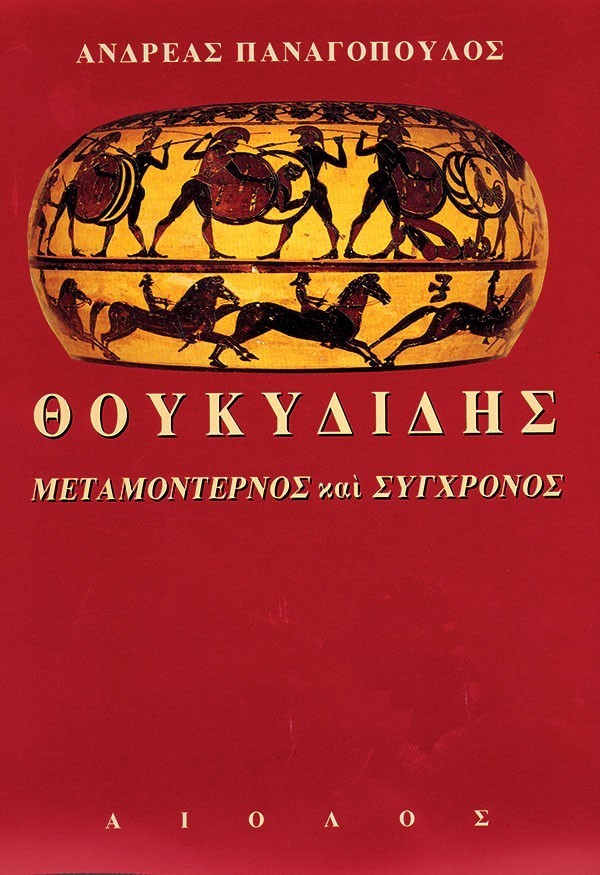
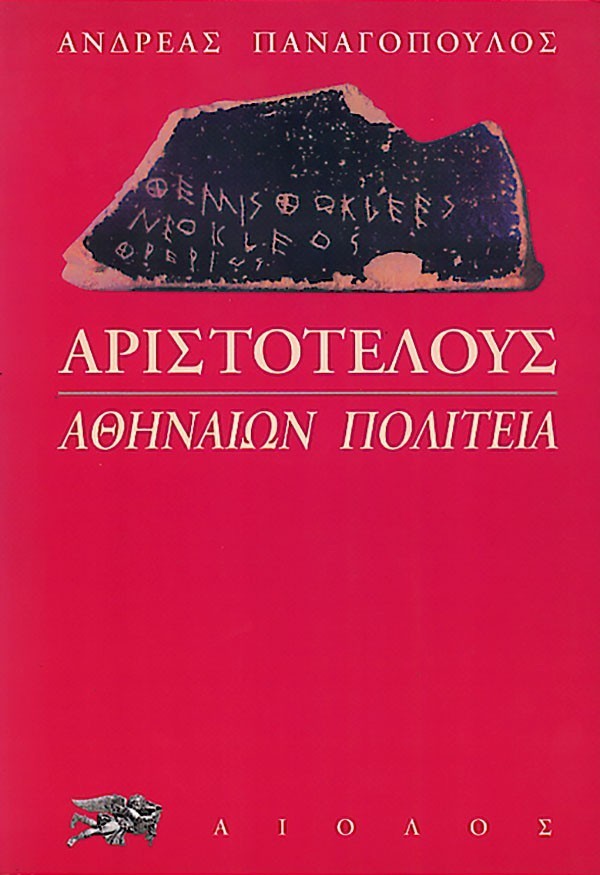
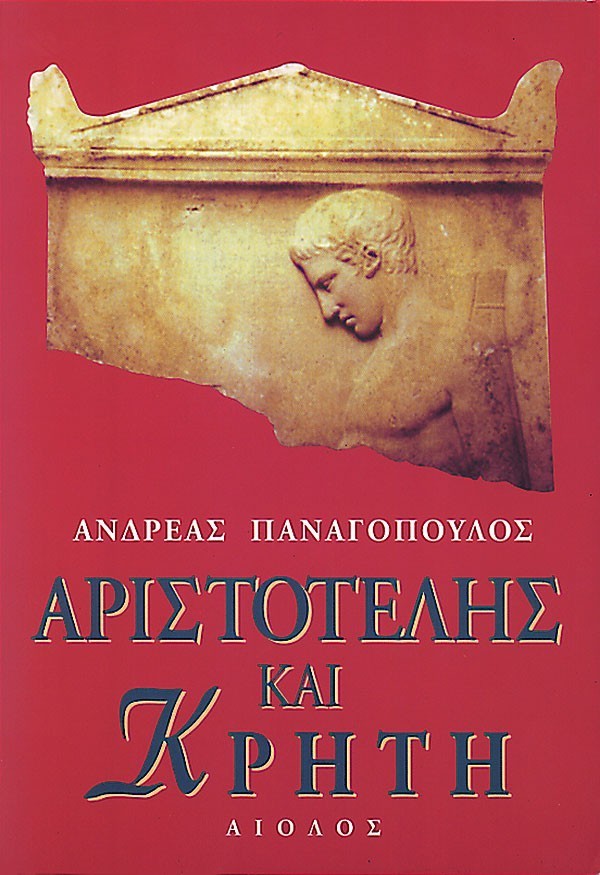
He passed away in June 2009. Five of his books are published by our publishing house.
Twenty original essays on these and many other subjects, all products of research and scientific knowledge.