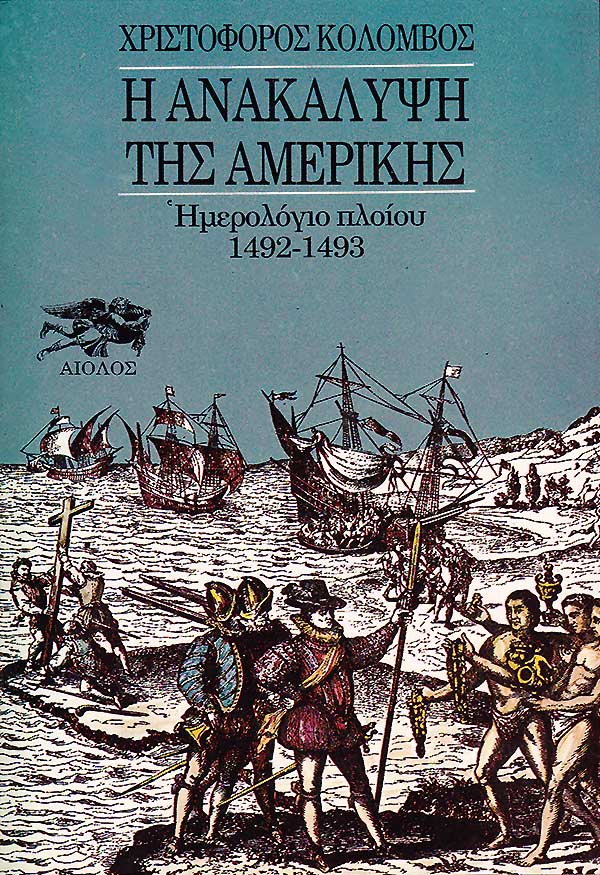
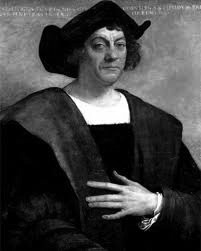
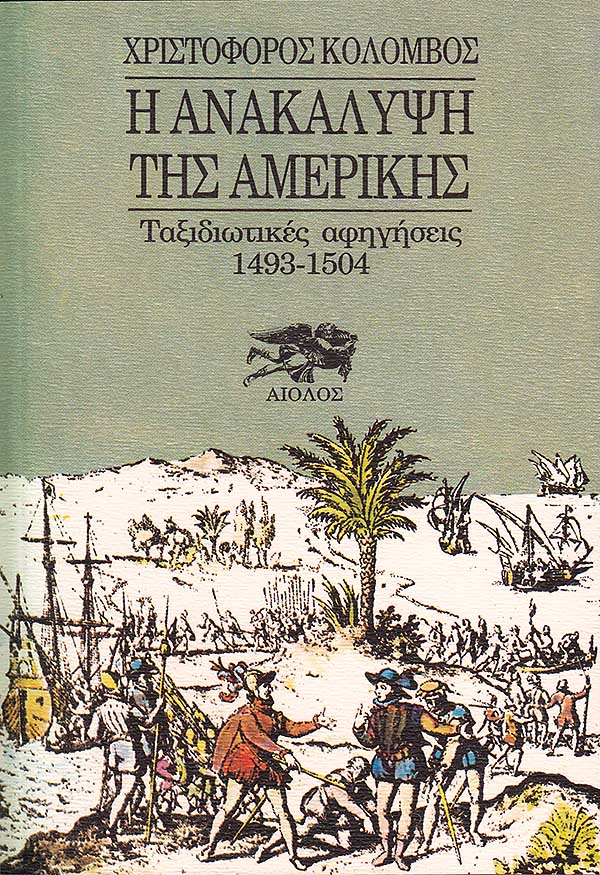
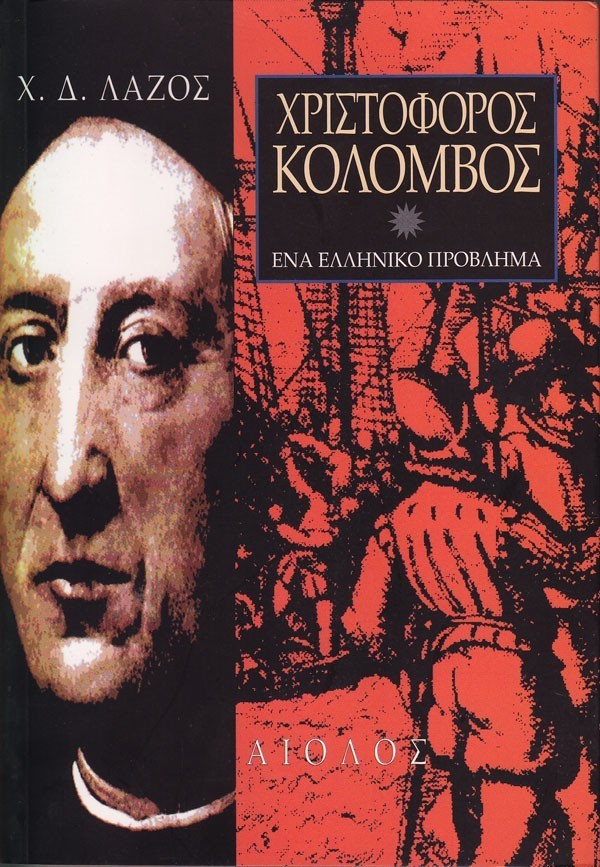
It is difficult to find someone who is unaware of the great seafarer Christopher Columbus. In response to a related question, they will confidently say that he was the man who discovered America, adding that the name of the continent comes from another great explorer, Amerigo Vespucci, who, among other things, understood that the lands discovered by Columbus were a new continent.
Christopher Columbus was a navigator, cartographer, admiral, and viceroy, best known for his voyage in 1492, which led to the European awareness of the Americas.
His origins remain a subject of debate, with several regions claiming to be his birthplace. However, the most widely accepted view is that he was born in 1451 in Genoa, Italy.
His father, Domenico Columbus, belonged to the middle class and worked in Genoa and Savona. His mother was named Susanna Fontarossa, and his brothers were Bartholomew, Giovanni Pellegrino, and Giacomo.
The kingdoms of Aragon, the Spanish Galicia region, Portugal, and the Greek island of Chios, among others, have all claimed his origins. Christopher Columbus died in Valladolid, Spain, in 1506 and was buried in a monastery in the city. Three years later, his remains were transferred to a monastery in Seville, and in 1537 to the Cathedral of Santo Domingo on the island of Hispaniola, along with the remains of his son Diego.
In 1795, Spain ceded the island to France, and both sets of remains were moved again to the Iberian Peninsula. However, there is a possibility that a mistake occurred during the transfers, since in 1877 a tomb was accidentally discovered in Santo Domingo bearing the inscription: “The Distinguished and Excellent Don Cristóbal Colón.”
Given the historical significance of his arrival in the Americas in 1492, the period before his voyage is referred to as “pre-Columbian.” His expedition marked the beginning of a violent colonization of the New World, as the American continent was alternatively called. It is also noteworthy that he never reached the mainland, but only islands nearby. He undertook four voyages to American territories.
There is no doubt that Columbus died still believing in his illusion, namely that he had found the western route to the Indies (Asia), and he was so deeply convinced of this that no force in the world could change his mind. We know from one of his letters that on February 5th, 1505—thirteen years after his first voyage and one year before his death—he met Vespucci and they discussed for a long time. No details of the conversation exist, but it is clear that they spoke about the newly discovered lands and their geographical position. Even then, Columbus was not convinced. Stubborn-minded, one might say. Perhaps. However, this stubbornness of his—this particular structure of his character—was what allowed him to accomplish his voyage.
The famous “egg” anecdote is attributed to Columbus. Without a doubt, this is a mistake—Voltaire showed that it actually belongs to Brunelleschi’s “egg”—but regardless of this, we must observe that Columbus’s personality did not suit practical and simple solutions. Columbus was not an innovator who transcended the ideas of his time. On the contrary, he was someone who selectively mobilized, as we shall see below, the ideas of his era in order to convince first himself and then others of the feasibility of his voyage.