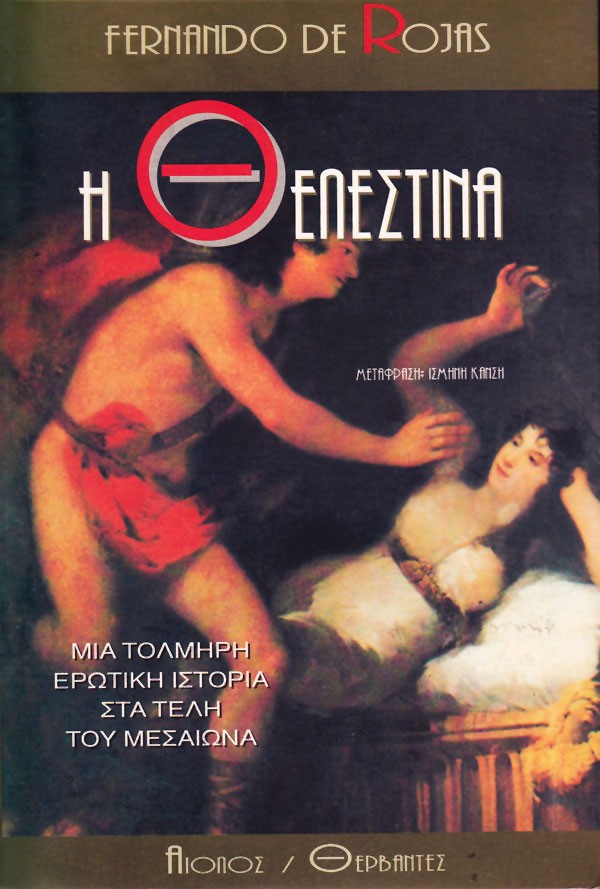
Between the Middle Ages and the Renaissance, The Tragicomedy of Calisto and Melibea, or La Celestina as it was popularly called and which eventually prevailed as its title, appears in 15th-century Spain (the century of the discovery of America, the persecution of non-believers, and the Inquisition) as a pioneering humanist work, whose bold erotic element astonishes and delights readers.
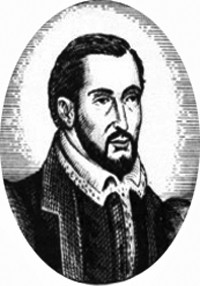
Fernando de Rojas was born in Puebla de Montalbán, near Toledo, around 1475.
In 1484, his family was publicly tried and humiliated by the Toledo Inquisition, and in 1488 his father was again arrested, condemned, and burned at the stake.
After leaving his hometown, Fernando de Rojas moved to Talavera de la Reina, where he worked as a lawyer until his death in 1541.
He is known to have served briefly as mayor of the town and to have married Leonor Álvarez, with whom he had six children. Much of his later life remains shrouded in mystery and speculation, to the point that some have even questioned his existence.
He is believed to have studied law at the University of Salamanca for six years, and—according to tradition—wrote La Celestina, his only major work, in just fifteen days while still a student.

Two lovers, Calisto and Melibea, break the rules of Platonic courtly love and Christian morality. It is a sinful love that, however, will not have a happy ending. Fernando de Rojas does something very dangerous: the protagonists resort to prostitution and magic, while the work is full of bold situations and words for its time. Yet later, when the Inquisition examines the work of the “suspicious”—due to his Jewish ancestry—Rojas, it leaves it untouched. The sinful characters all die without having time to confess—they paid for their mortal sin.