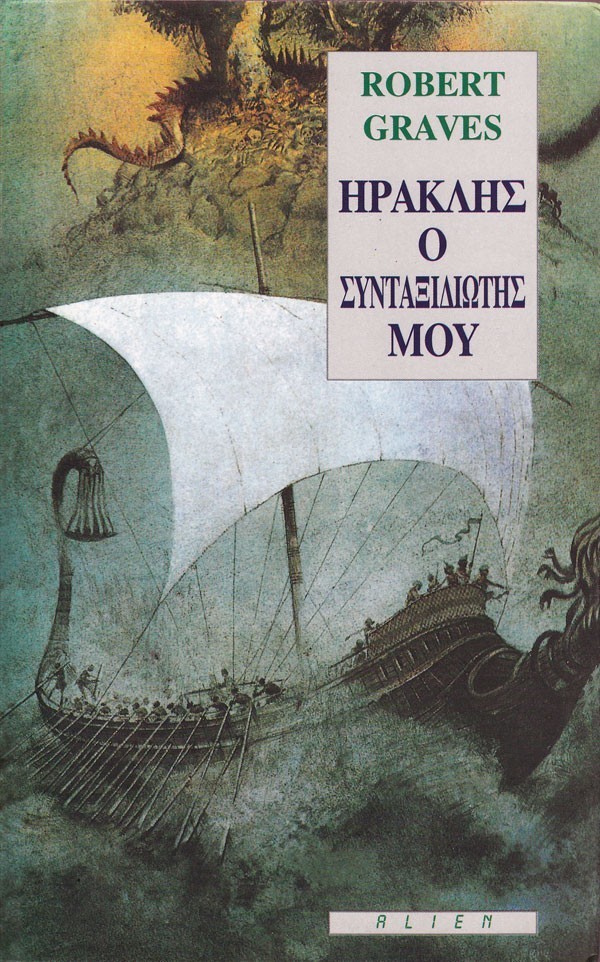
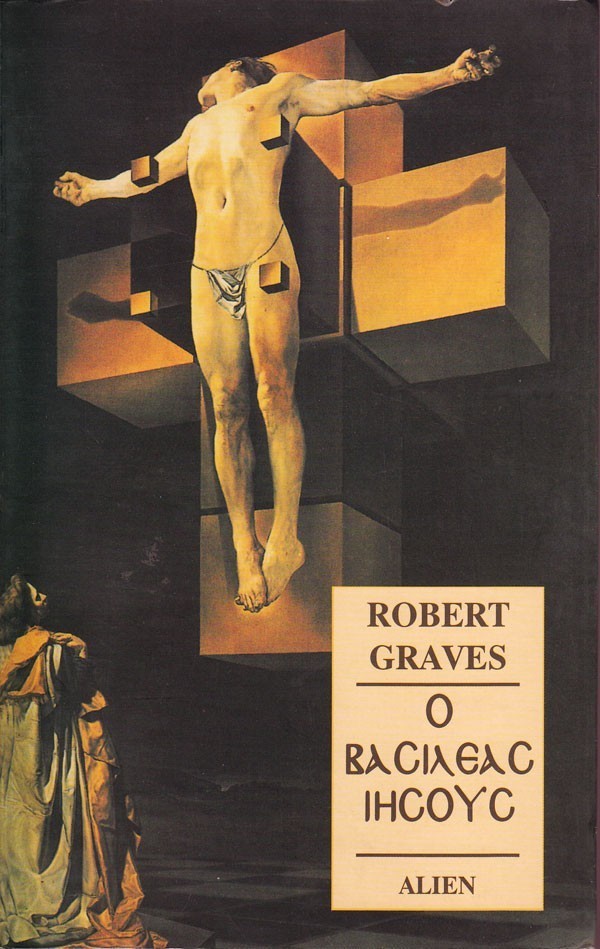
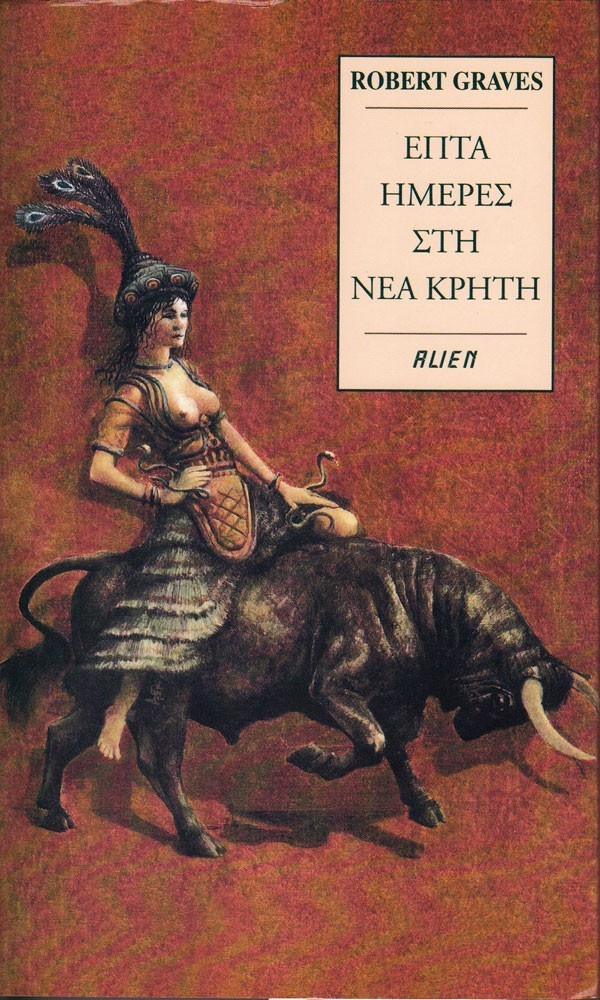
A remarkable reimagining of the legend of the Argonautic Expedition, from the pen of the great mythographer Robert Graves. This novel is an inventive synthesis of almost the entire body of Greek mythology, drawn from the texts of all ancient mythographers and skillfully and engagingly woven into the canvas of the story of the Argonautic Expedition.
Robert Graves was born in Wimbledon in 1895 and was the son of the Irish writer Alfred Perceval Graves. He went directly from school into the First World War, where he served and rose to the rank of captain.
His main field was poetry. Apart from a single year spent teaching English literature at the University of Cairo in 1926, he worked exclusively as a writer.
A bibliography of his works, published in 1965, credited him with 114 diverse titles, though the total eventually exceeded 120. His historical novels include I, Claudius, Claudius the God, Count Belisarius, The Golden Fleece, The White Goddess, and The Isles of Unwisdom. His autobiography, Good-Bye to All That, was written in 1929.
Two of his most widely discussed non-fiction works are The White Goddess, which introduces a new interpretation of poetic inspiration, and The Nazarene Gospel Restored, which re-examines the early Christian period.
He also translated Apuleius, Lucian, and Suetonius from Latin and compiled, for the first time in modern times, the surviving material of Greek mythology in The Greek Myths. In 1961 he was elected Professor of Poetry at the University of Oxford, and in 1971 he became an honorary fellow of St John’s College, Oxford.
In 1975, a new edition of his collected poems was published. From 1929 onwards he lived permanently in Mallorca, where he died in 1986.
In this epic novel, Robert Graves reveals his multifaceted talent, his impressive historical knowledge, his vivid imagination, and his compelling narrative skill.