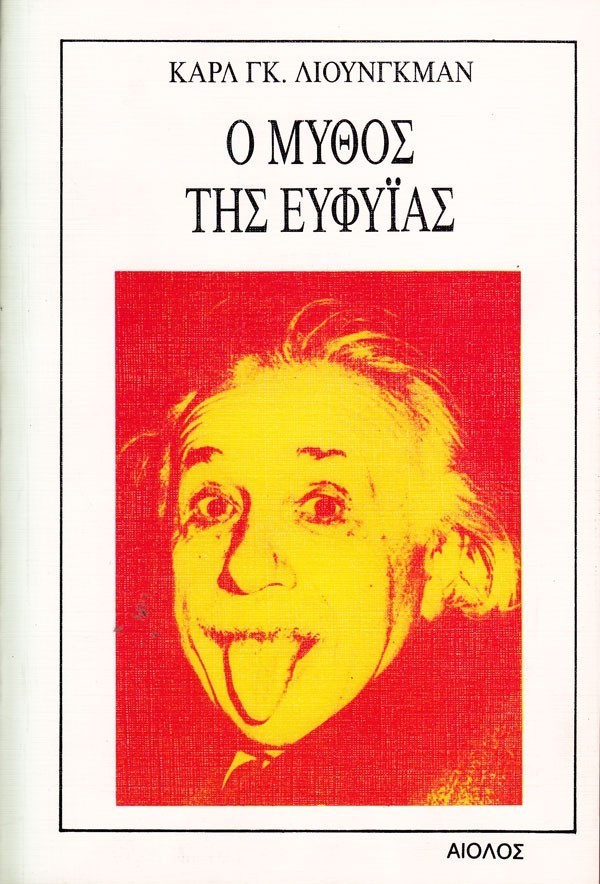
Is intelligence hereditary? Do intelligence tests measure true intelligence? Can someone be intelligent without knowledge? Why do Black people have lower IQ scores than White people? What role do environment and upbringing play in a person’s IQ? These and many other questions are examined in this book.
Karl Ljungman was born in 1938 in Stockholm. He completed secondary school in Gothenburg in 1959 and began studying philosophy in 1960.
He continued his studies at the Institute of Theoretical Philosophy at Lund University, but in 1969 he left academia after unsuccessful attempts to complete, within institutional frameworks, his analyses of certain fundamental concepts in psychology and psychiatry.
His first book was The Myth of Intelligence, which was translated into six languages.
The author presents the exercises from the most important intelligence tests and outlines the results of major research conducted on intelligence. At the same time, however, he adopts a critical stance towards the various forms of IQ testing. He explains how fragile the basis is on which people are ranked according to IQ and reveals the dangers hidden in an overestimation of standardized intelligence.
A society whose ideals are “cold logic” and “monsters of intelligence,” in which IQ becomes a symbol of the system and of social status—such a society risks losing its humanity.