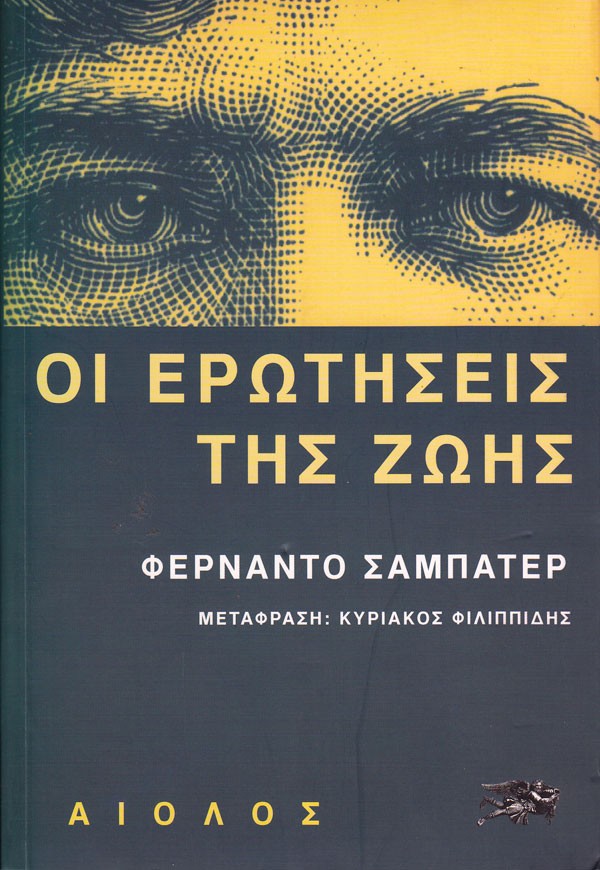
What is Philosophy useful for? What should its role be in Education? We are accustomed to the idea that science solves problems and answers many of our questions. However, some questions remain unanswered; no solution for them seems definitive. They accompany us throughout our lives and are repeated from generation to generation.
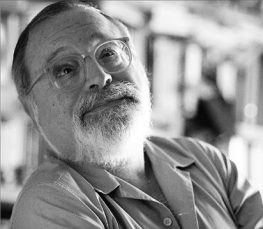
Fernando Savater was born in San Sebastián in 1947. He is a professor of philosophy at Complutense University of Madrid and previously served as a professor of ethics at the University of the Basque Country. An essayist, journalist, novelist, and playwright, he has published more than forty-five books, including La infancia recuperada, Ética para Amador, Diccionario filosófico, and El valor de educar.
His work has been translated into twelve languages. He has been awarded the National Essay Prize, the Anagrama Prize, and the Cuco Cerecedo Prize (awarded by the European Union of Journalists), while his novel El jardín de las dudas, centered on the figure of Voltaire, received the Second Planeta Prize.
These are questions concerning death, truth, the universe, freedom, justice, beauty, and time… The aim of Philosophy is not to provide a final answer to them, but to teach us how to pose them in ways that are increasingly richer and more constructive, while proposing attractive answers that help us coexist with them in a rational way. Because it is preferable to keep the “big” questions open, rather than to rush into “small” answers. This book aspires to serve as a kind of basic “initiation” into philosophical thought, intended both for those who must approach the subject of Philosophy for the first time within education, and for those who, at any age, wish to become acquainted with the foundations of this intellectual tradition.