Family Without a Name does not belong thematically to the group of works that made its author famous and beloved—those in which his distinctive imagination takes center stage. Here, we would say that history takes precedence: the historical conflict between the French and the English over dominion in Canada. Against this backdrop, he weaves his own story, rich in patriotic feeling, betrayals, love, adventure, and fratricidal violence, even reaching the point of self-sacrifice.
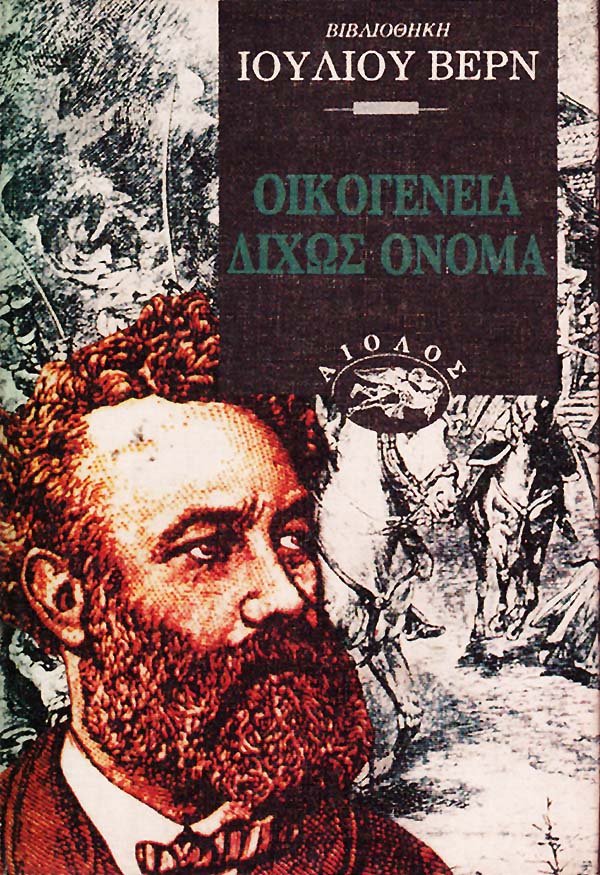
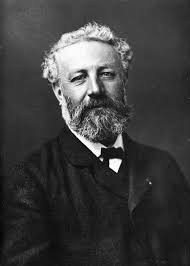
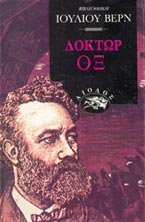
Jules Verne was born in Nantes, France, in 1828 and died in Amiens in 1905. He is regarded as one of the pioneers of science fiction literature.
Verne described his own works as “scientific educational novels.” Through his stories, readers are introduced not only to imaginative adventures but also to a wealth of information about the flora, fauna, geography, and history of the regions in which his narratives take place.
In his works, the various inventions are not products of pure imagination, but carefully researched possibilities. The technological boom of the second half of the 19th century provided Verne with essential material for many of his novels.
In his stories, he writes about submarines, flying machines, skyscrapers, and the conquest of the Moon, often inspiring important scientists of his time. His ability to blend reality with fiction and to set his narratives in exotic locations quickly propelled his fame.
He is considered one of the ten most widely translated authors of all time.
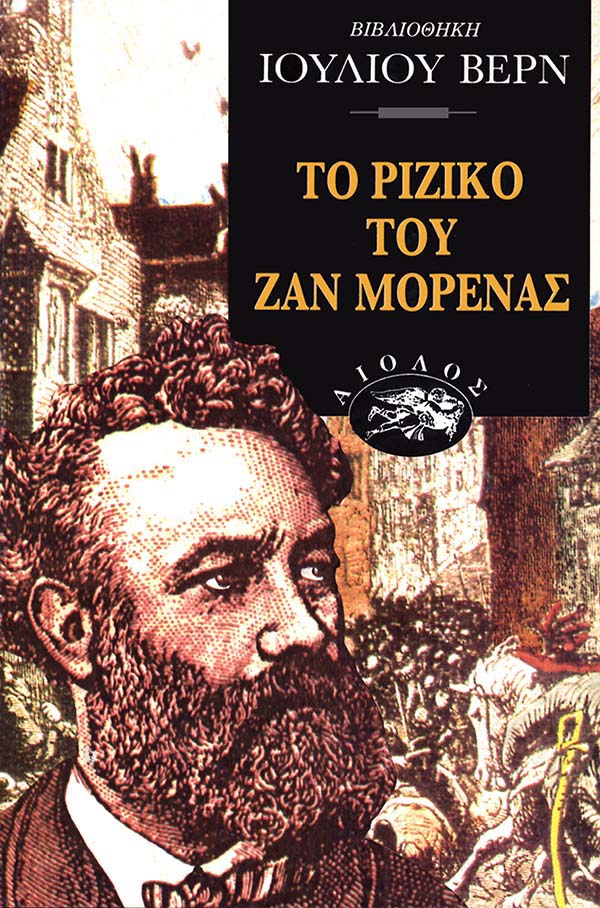
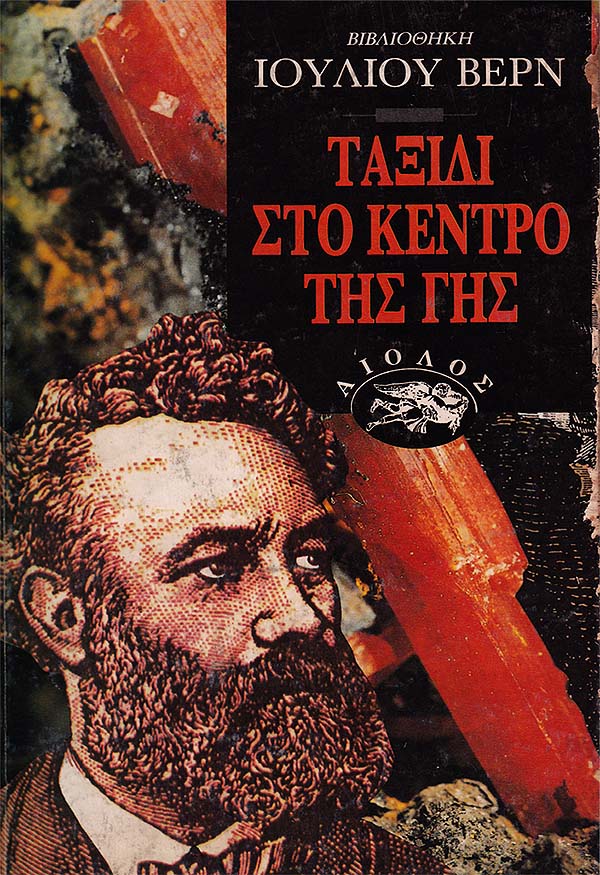
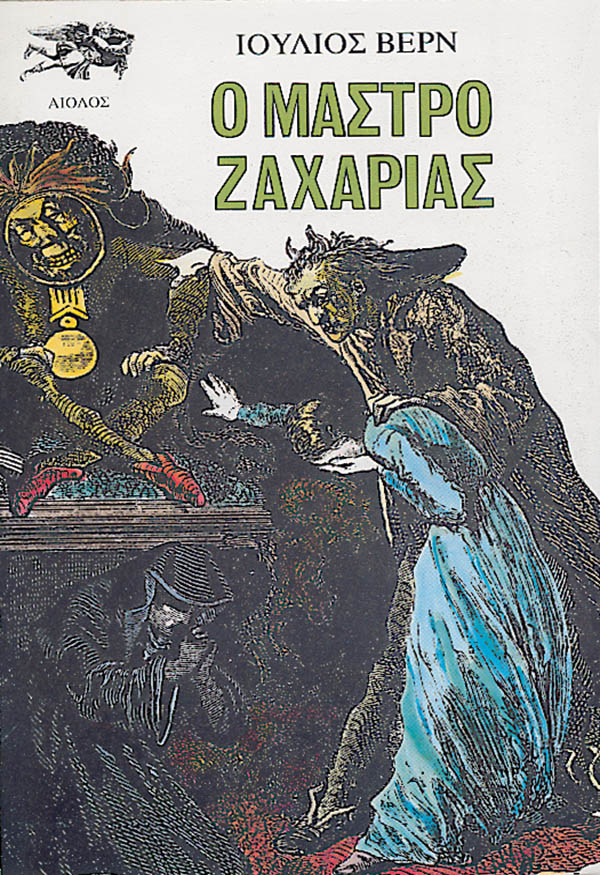
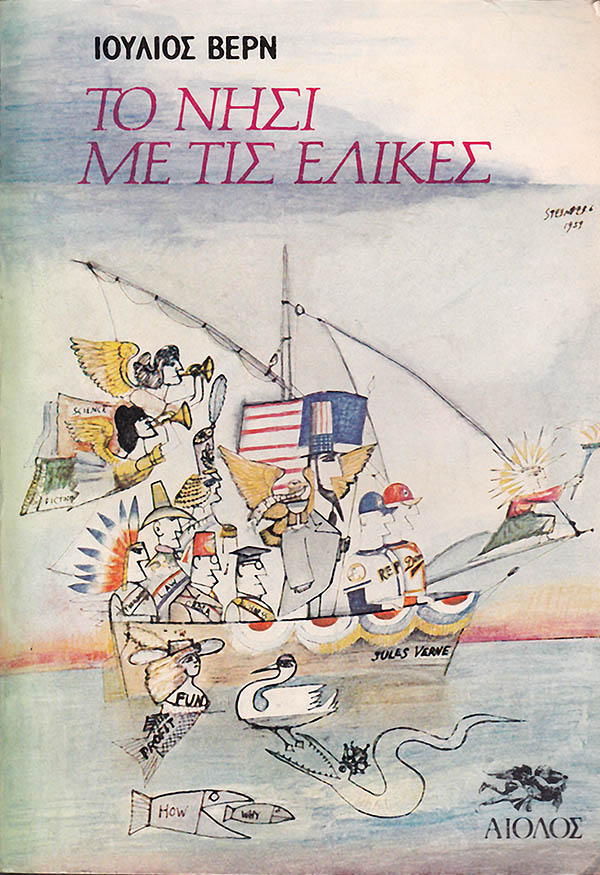
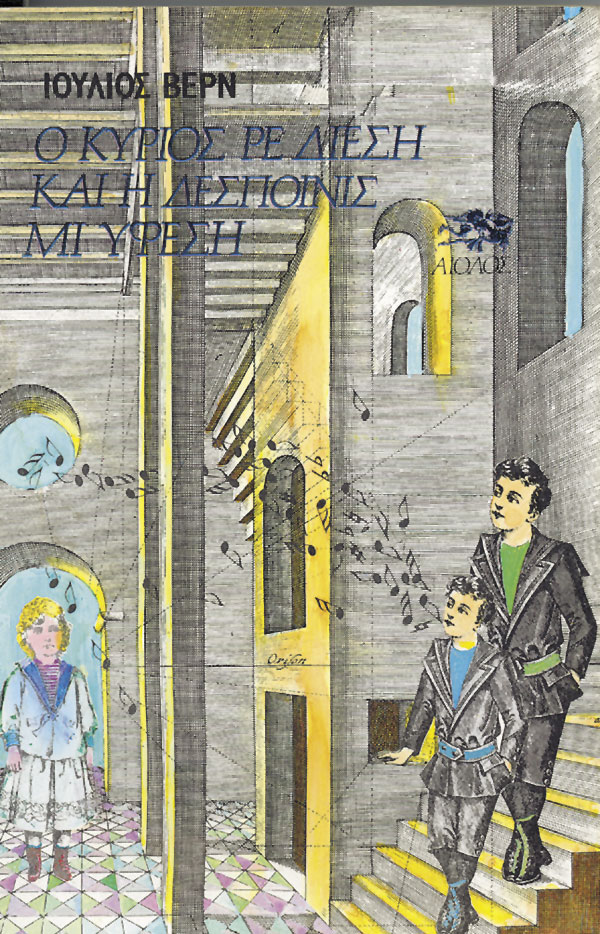
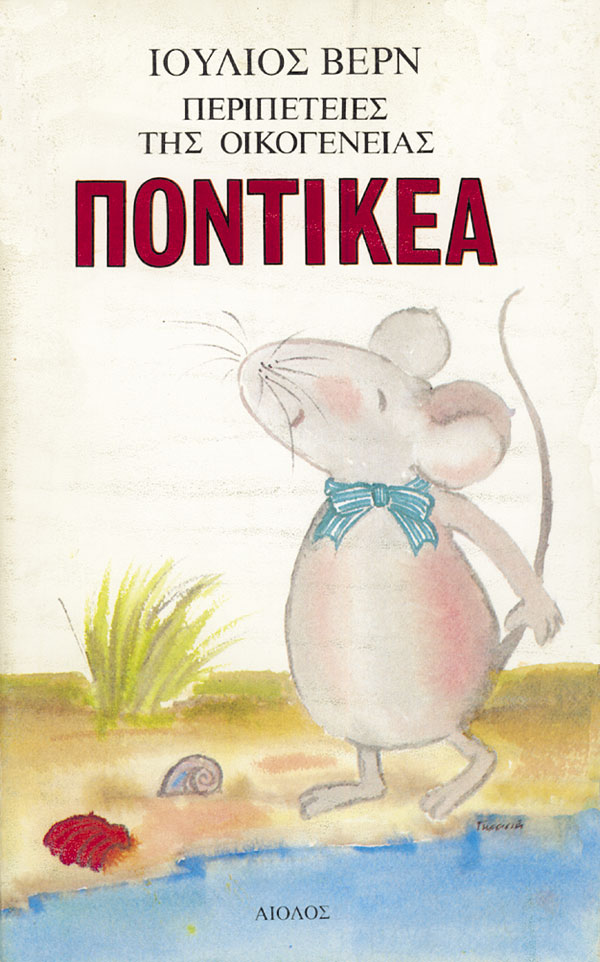
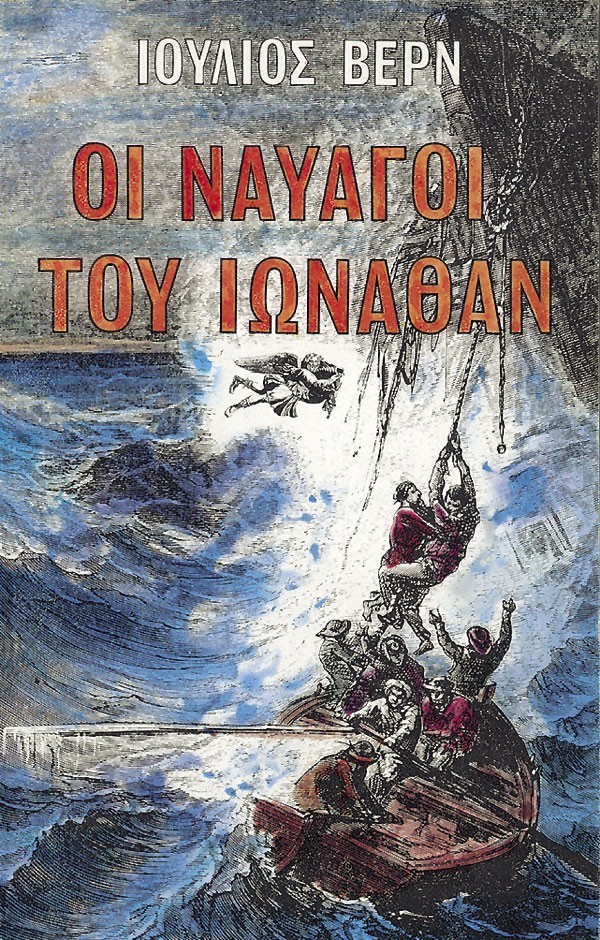
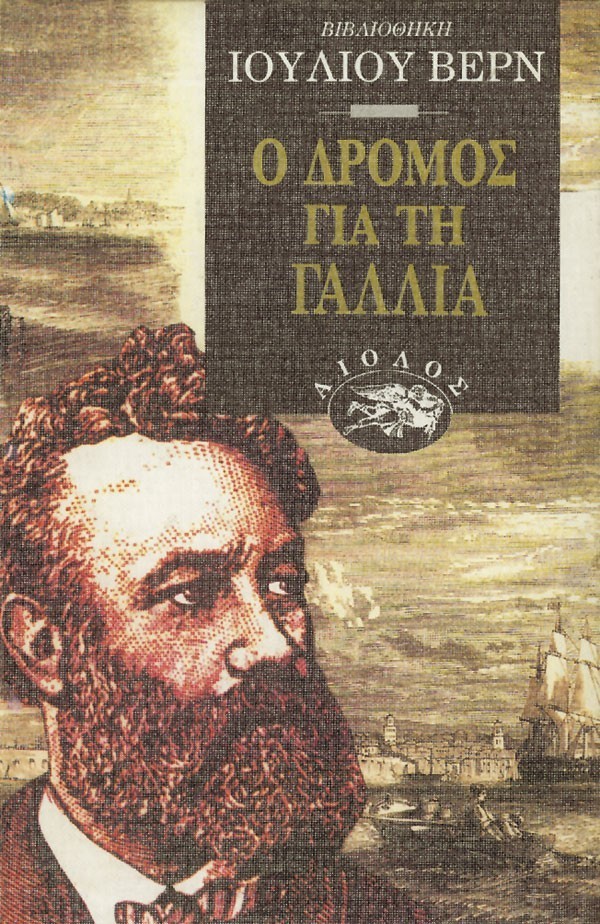
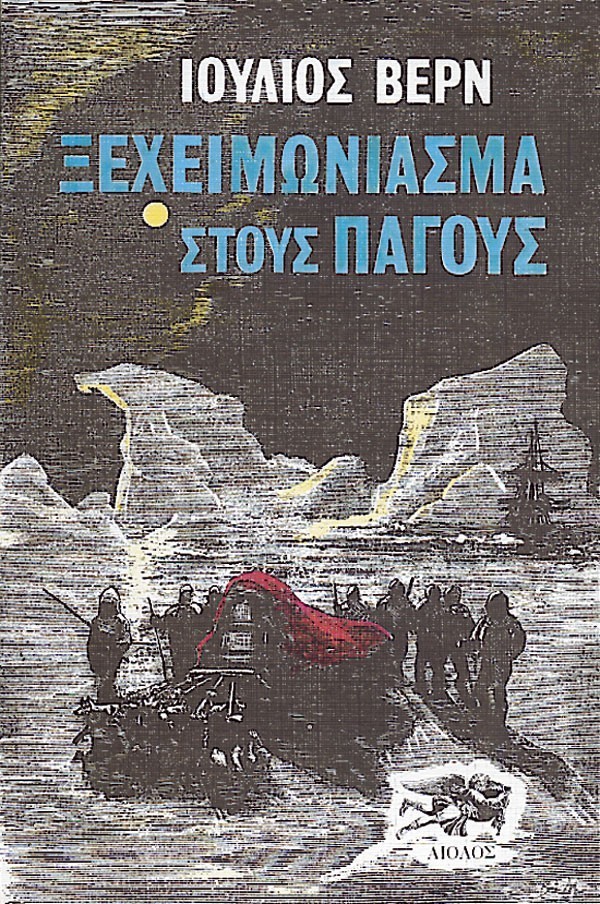
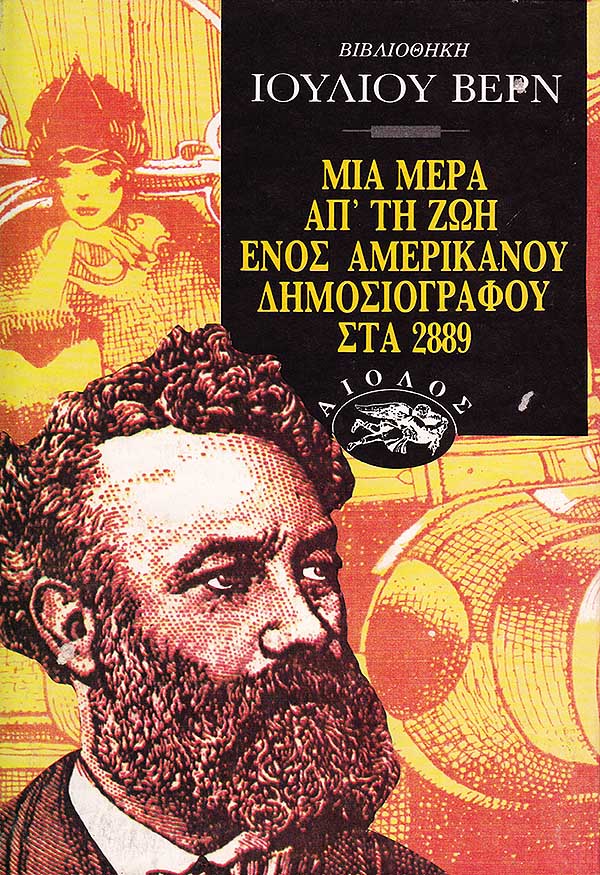
Among his works published by our editions are: Family Without a Name, Journey to the Center of the Earth, A Journey with Obstacles, Master Zacharias, The Fate of Jean Morenas, A Day in the Life of an American Journalist, Doctor Ox, The Castaways of Jonathan, Wintering in the Ice, The Road to France, The Island with Propellers, Mr. Re-sharp and Miss Mi-flat, and The Adventures of the Pontikea Family.
Many of the above titles are currently out of print, but are planned to be reissued.
More French than ever in this work, Verne once again confirms his mastery in constructing dramatic situations, a hallmark of his art.