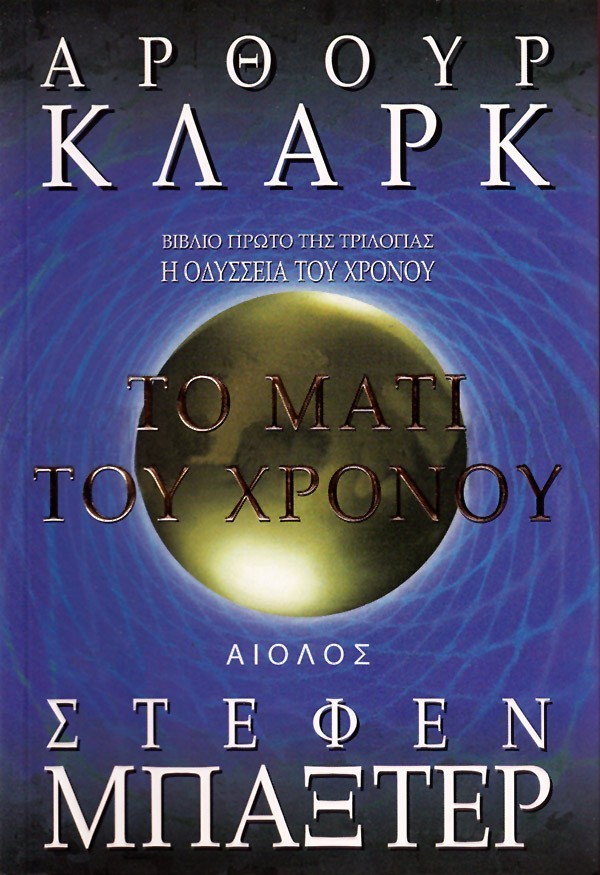
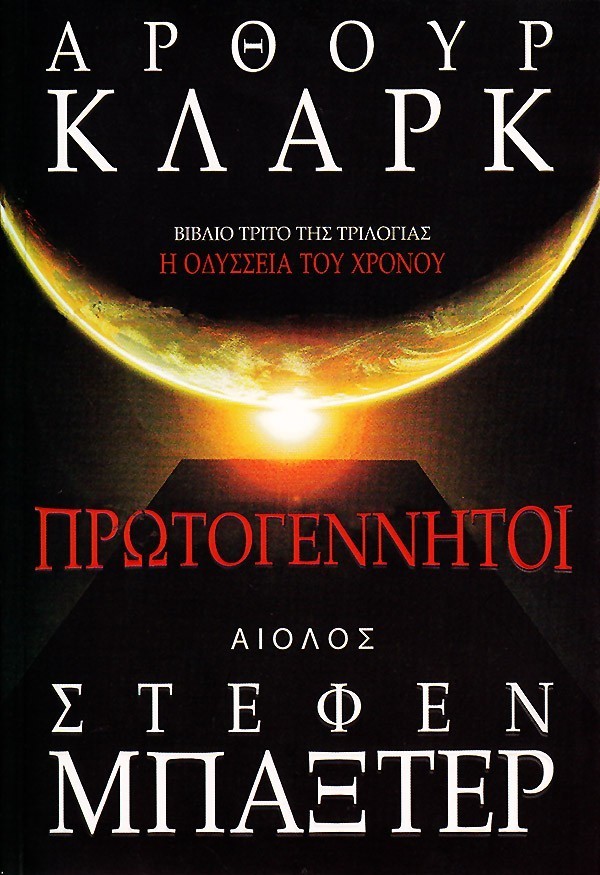
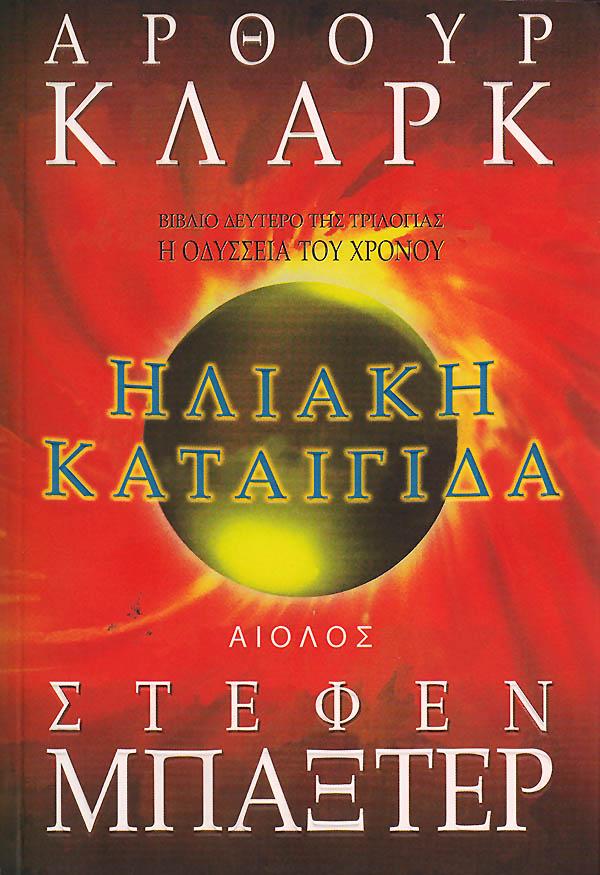
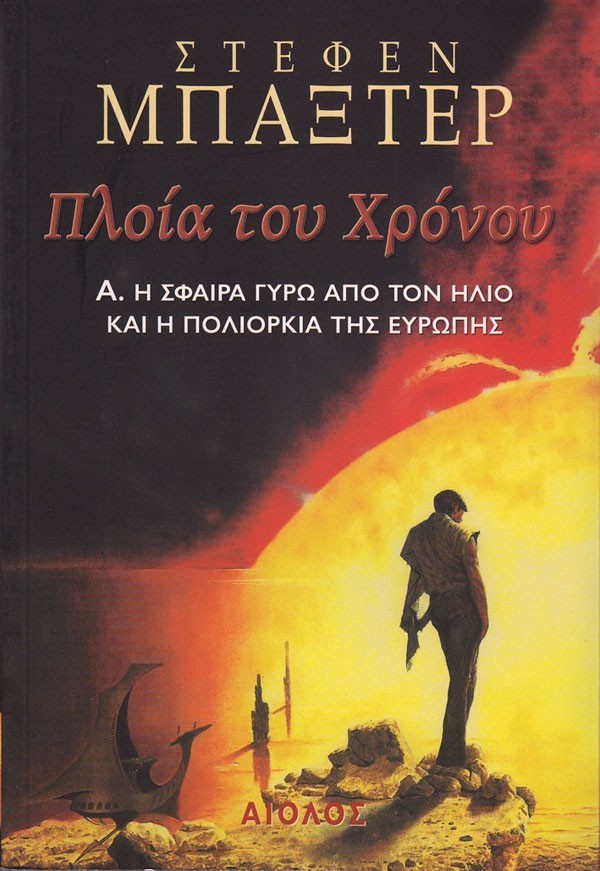
Book One of the Time’s Odyssey Trilogy
In 2037, Earth is struck by an unprecedented and inexplicable event that shatters the very fabric of time and space, overturning the laws of physics and geometry as we know them.
The planet is torn apart and reassembled from fragments of different eras. On this newly formed world, the armies of Alexander the Great march under their legendary commander alongside Genghis Khan and his hordes. United Nations peacekeepers and 21st-century astronauts coexist with 19th-century British soldiers, while isolated pockets of prehistoric landscapes inhabited by early hominins complete this extraordinary mosaic.
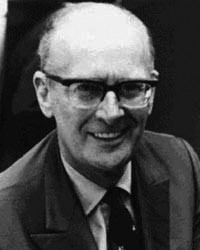
Arthur C. Clarke is widely regarded as one of the greatest science fiction writers of all time.
He also made significant contributions to science and culture in other ways, including a 1945 essay that helped inspire the concept of communications satellites.
Arthur Clarke’s books have sold more than one hundred million copies worldwide. He died shortly after completing the present trilogy, in the spring of 2008.
Stephen Baxter holds engineering degrees from the Universities of Cambridge and Southampton. He is best known for his Manifold series of novels.
He has won the British Science Fiction Award, the Locus Award, the John W. Campbell Award, and the Philip K. Dick Award, and has also been a finalist for the Arthur C. Clarke Award.

What follows is beyond imagination. All roads lead to Babylon, where mysterious radio signals have been detected. As violent clashes erupt in a relentless struggle for survival and supremacy, silent sentinels watch over every event: the Eyes of Time—enigmatic spheres suspended motionless in the sky.
What is their purpose? Can the course of history be restored, or is an entirely new world being born?