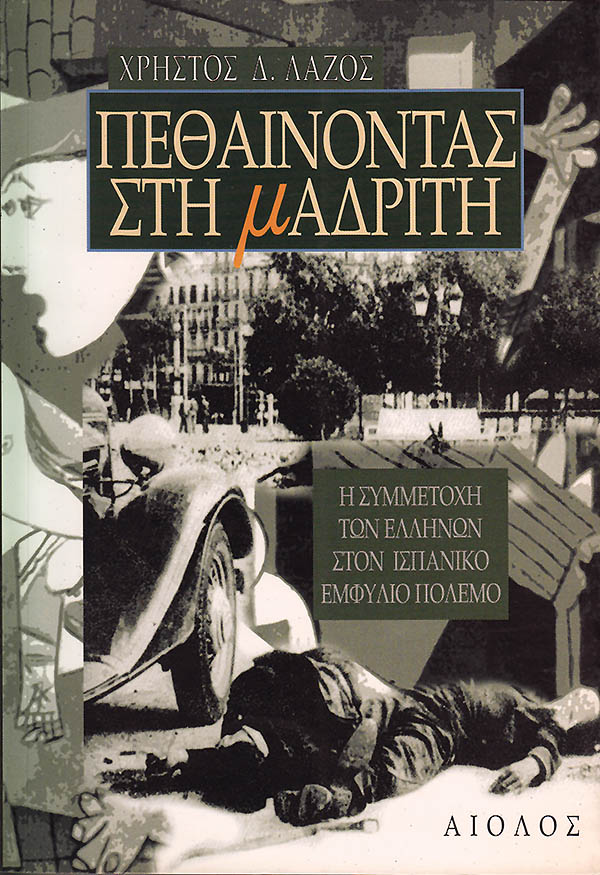
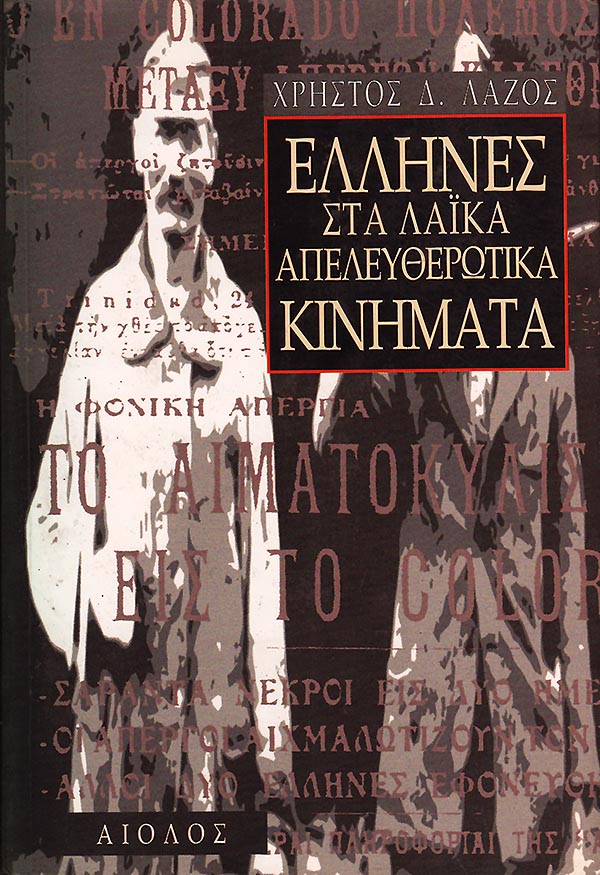
It is impossible to imagine the scale of Greek participation in various liberation movements around the world, across different periods and regions: from the pampas of Argentina and the highlands of Chile, from the coal mines of Colorado to the swamps of Florida, as well as in the struggles of the Garibaldians, the resistance of the Maquis in France, the fight of the Vietcong, the Boers, and others.
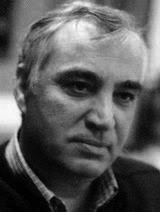
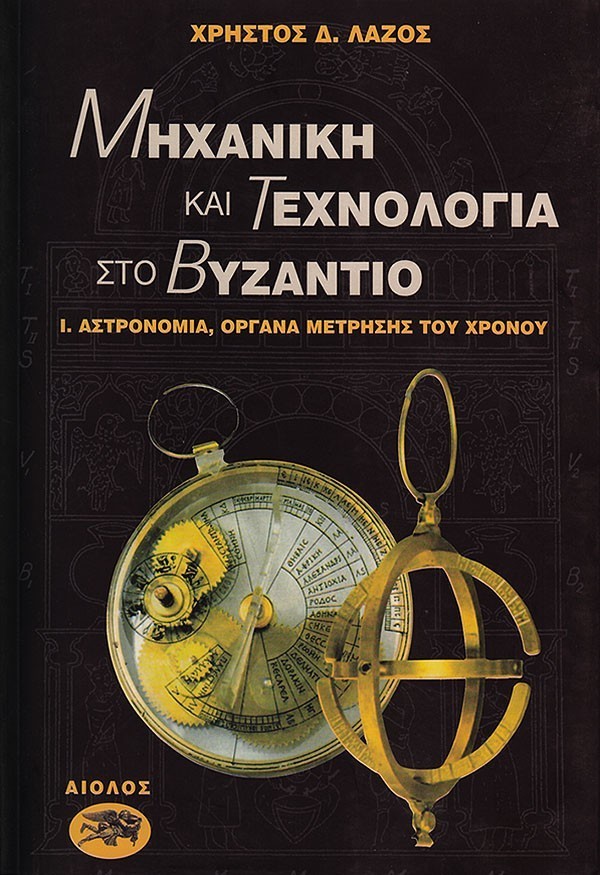
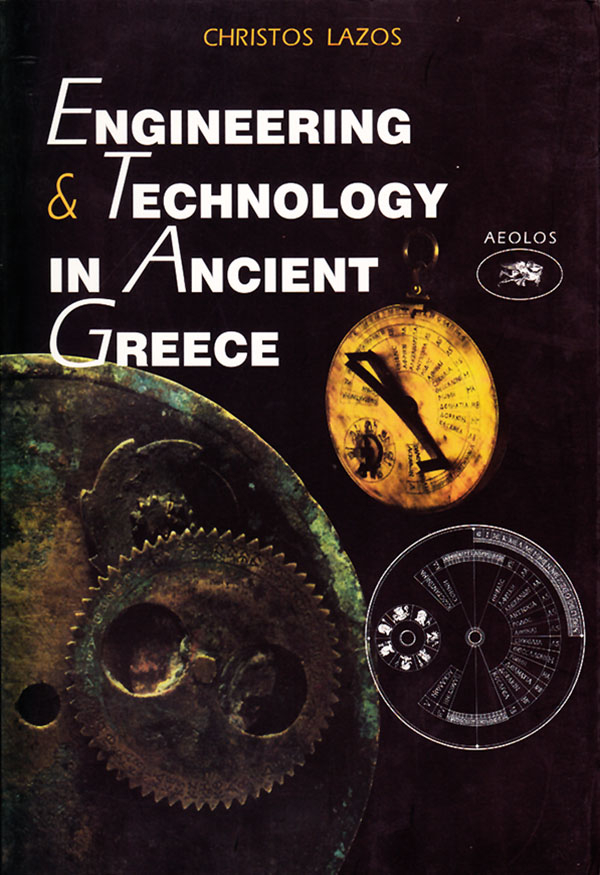
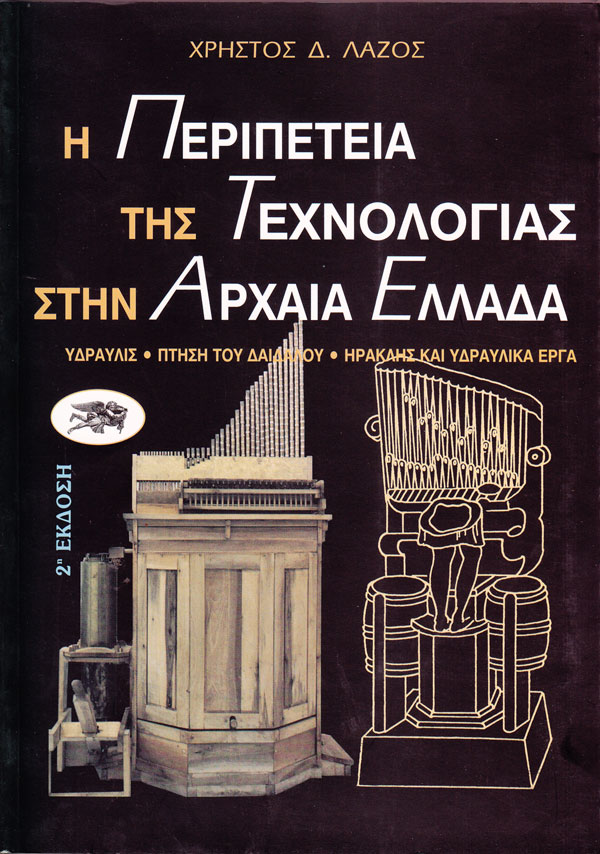
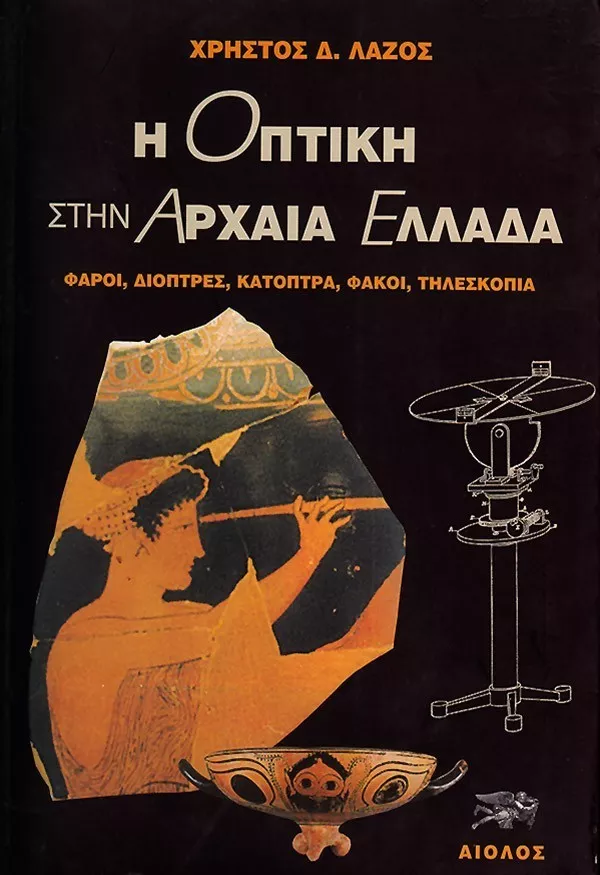
Christos D. Lazos (1949–2016) studied engraving at the Athens School of Fine Arts and had been involved in writing books since 1968. Between 1975 and 1981, he served as publisher and editor-in-chief of the popular science magazine Mysteries of the Universe.
Between 1986 and 1989, Christos D. Lazos played an active role in the establishment of the Historical Archive of Greek Youth (IAEN) and contributed to the creation of the Museum of the History of the University of Athens, receiving special mention in the commemorative volume published by the institution.
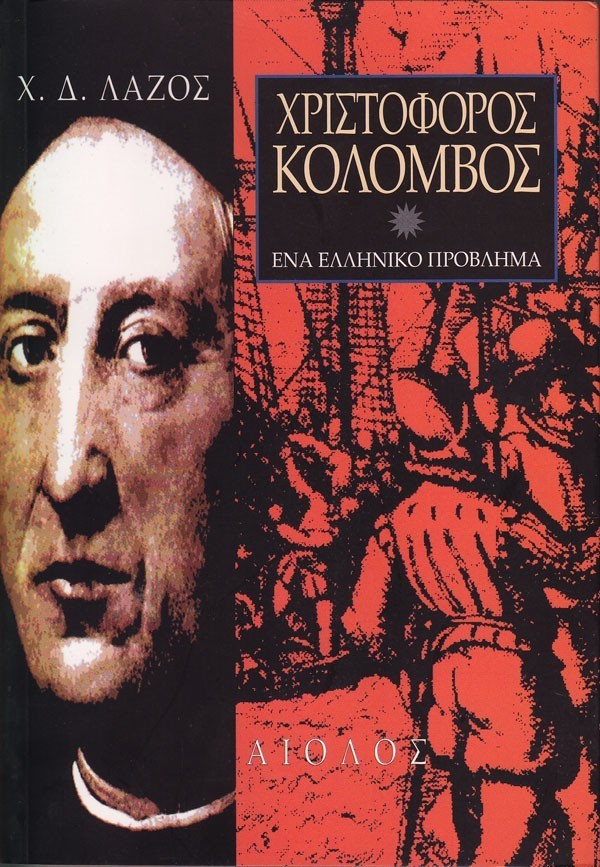
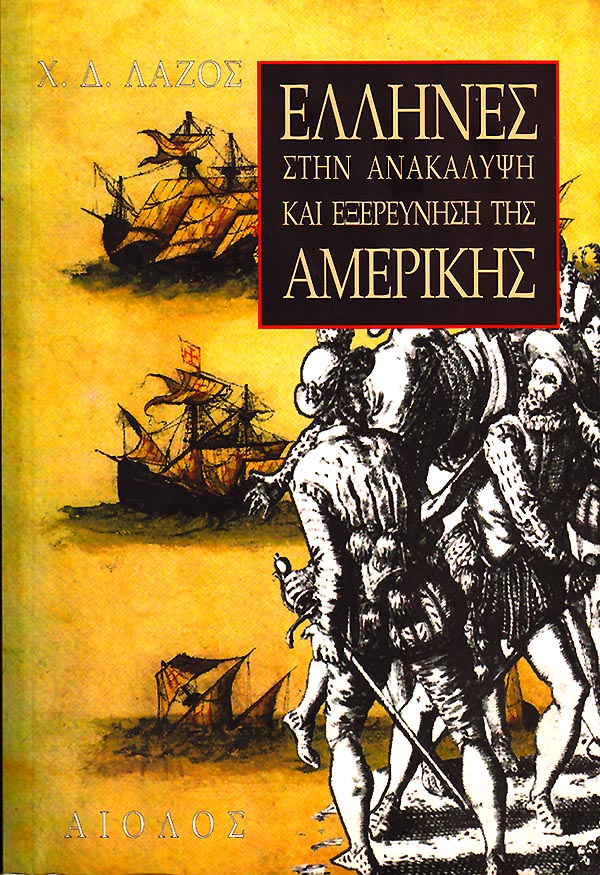
He was also a member of the COLUMBUS ’92 Committee (1988–1992). In 1992, he became a founding member of the Society for the Study of Ancient Greek Technology (EMAET) and later served as vice president of the exhibition Ancient Greek Technology, organized in Thessaloniki when the city was designated European Capital of Culture in 1997. In 1999, he also contributed to the release of a special CD by the Technical Museum of Thessaloniki dedicated to Ancient Greek Technology.
Lazos was a founding member of the Society for Civic Culture and served as scientific advisor to the “EUREKA” group for the study and promotion of Ancient Greek Technology and its related exhibitions.
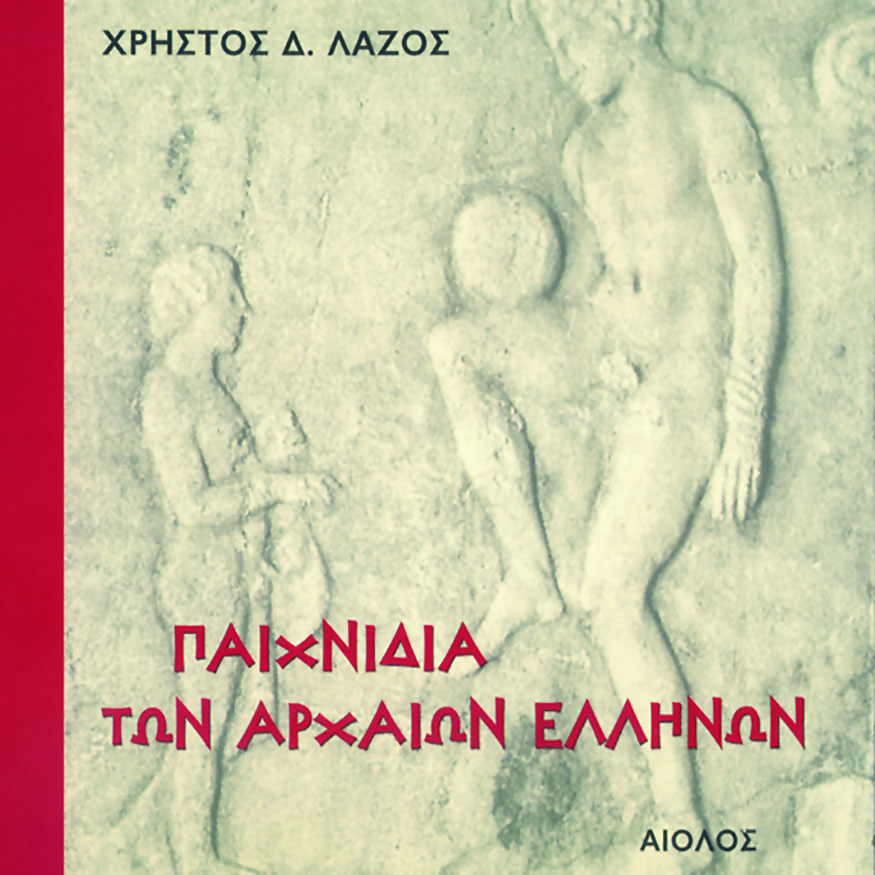
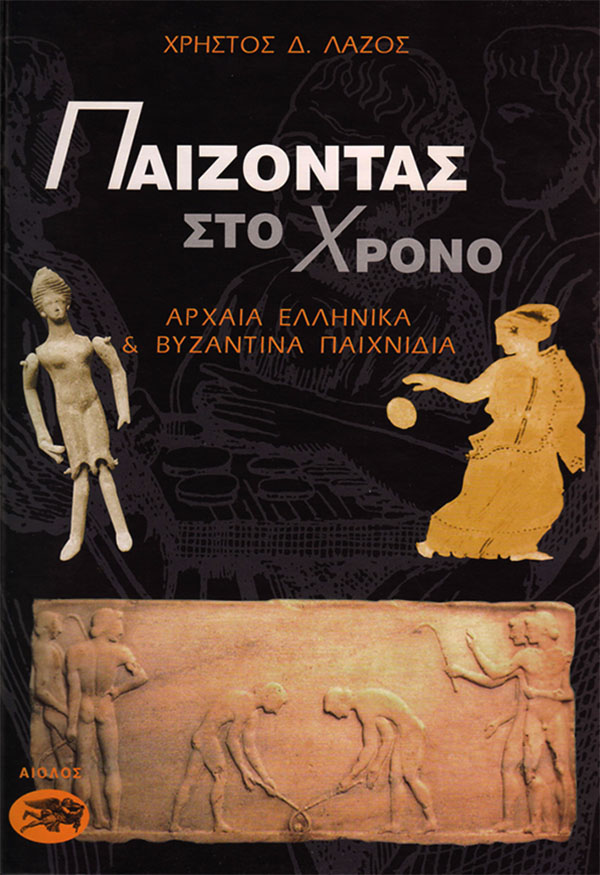
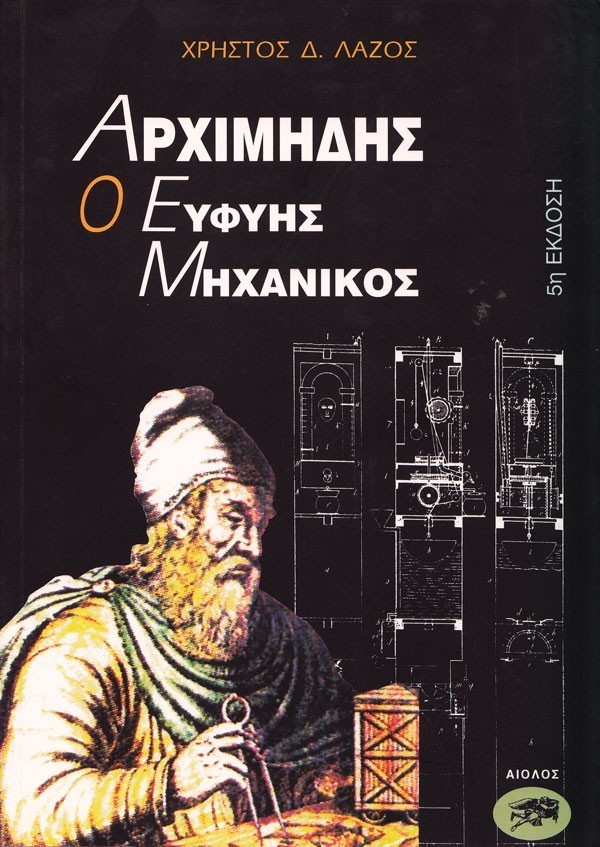
His many other activities included the publication of twenty-four books — among them an illustrated volume on ancient Greek games in 2004 — as well as a series of seven documentaries for ERT titled Unknown Greece, focusing primarily on ancient Greek technology and its traces across Greece. In 2004, he also appeared in three documentaries produced by the History Channel, speaking mainly about Archimedes.
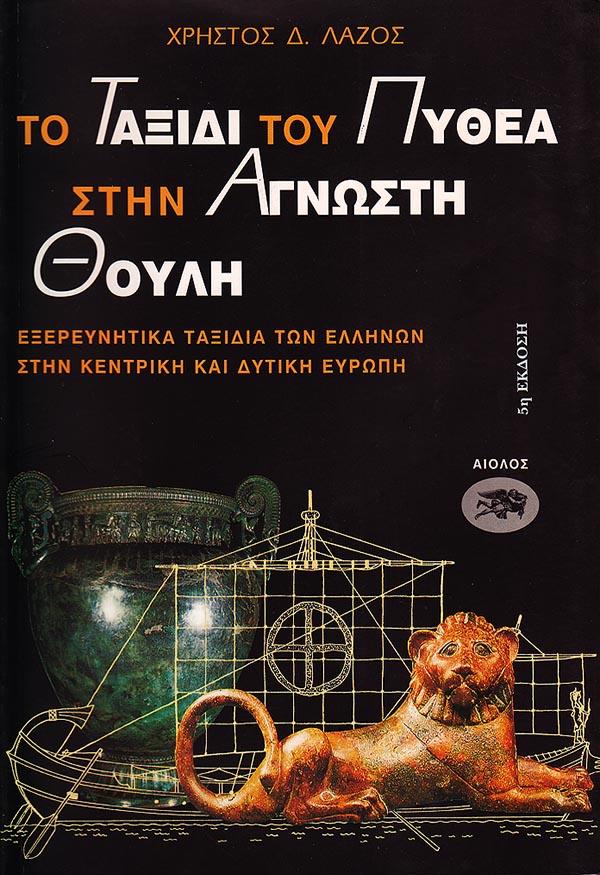
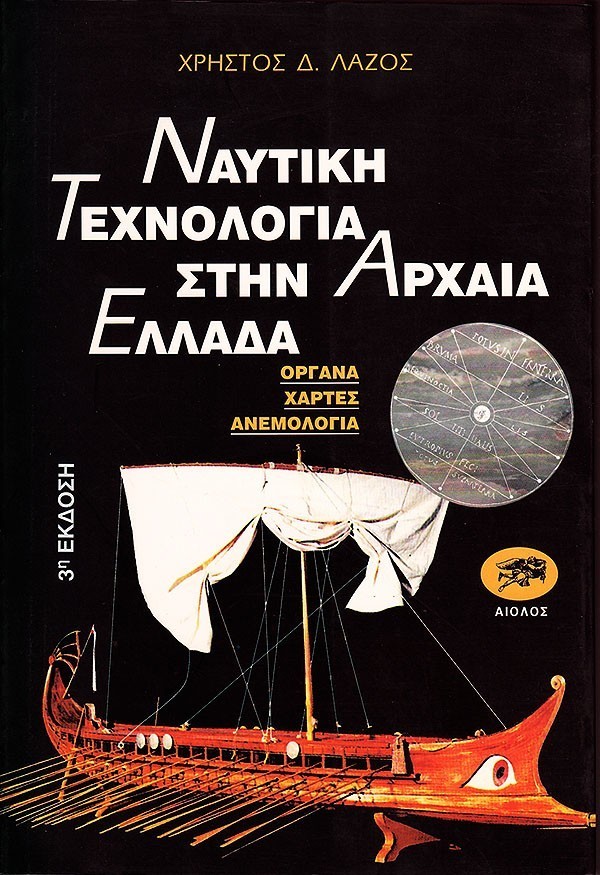
In April 2000, he represented Greece at an international conference in Marseille dedicated to Pytheas of Massalia, presenting a paper on the great navigator.
He participated in numerous conferences and gave many interviews to both Greek and international publications.
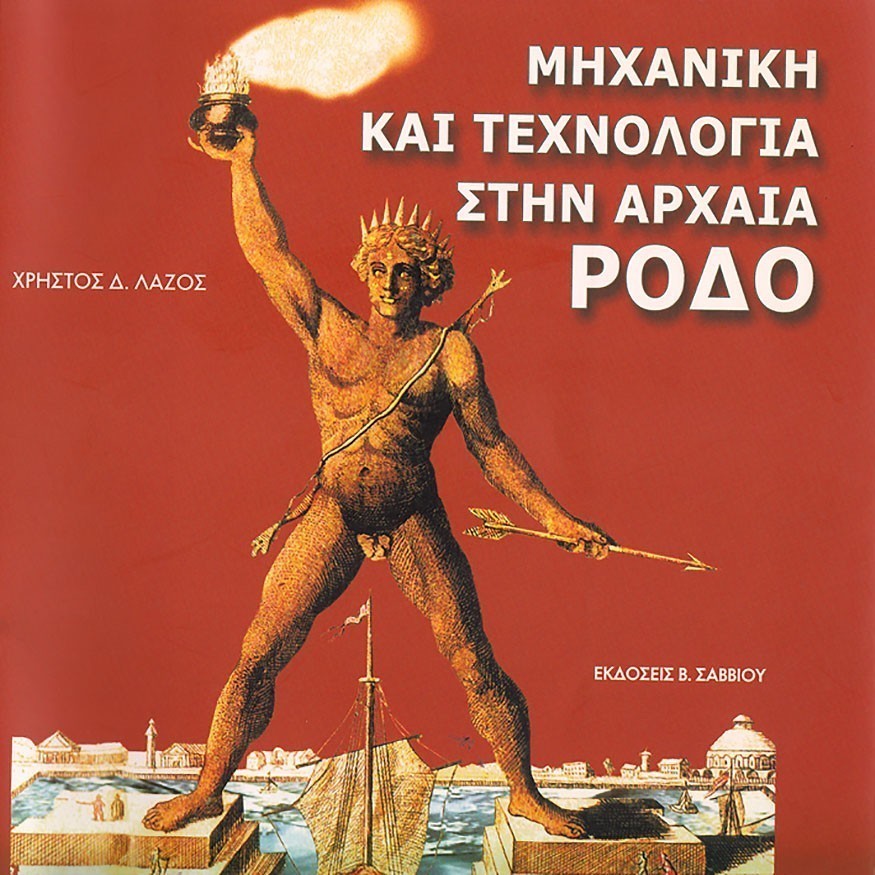
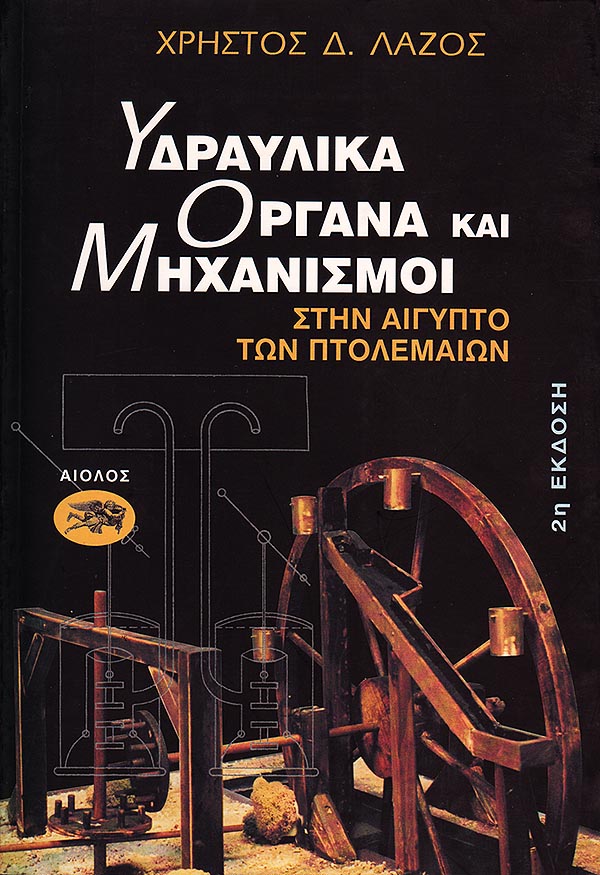
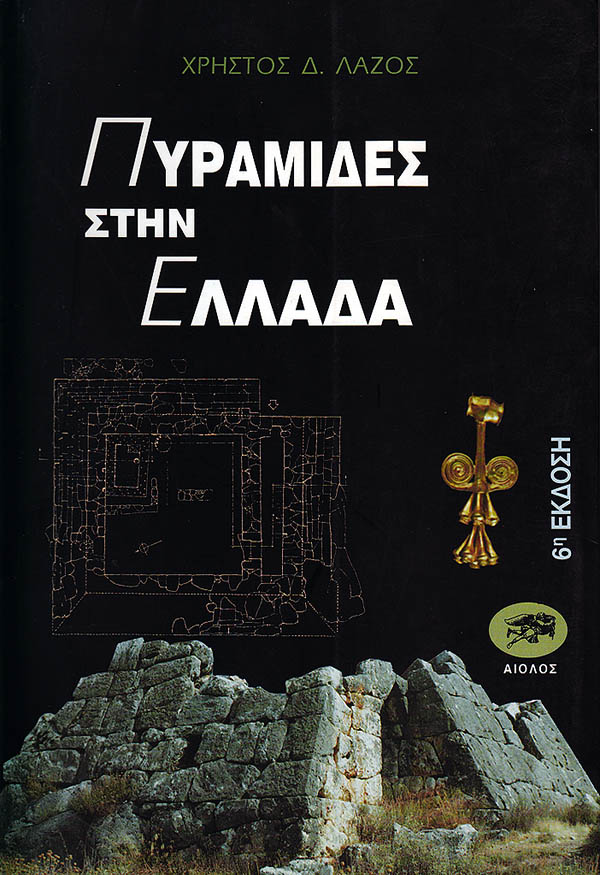
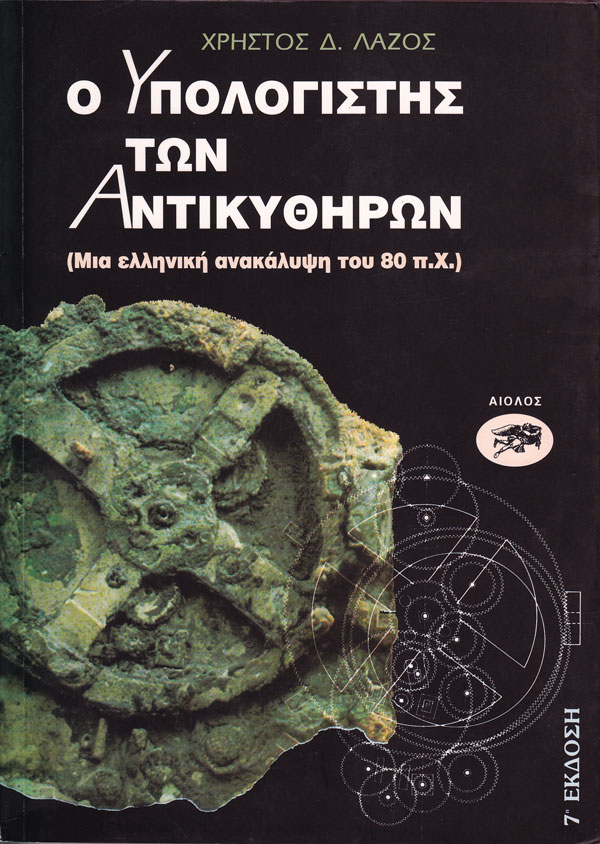
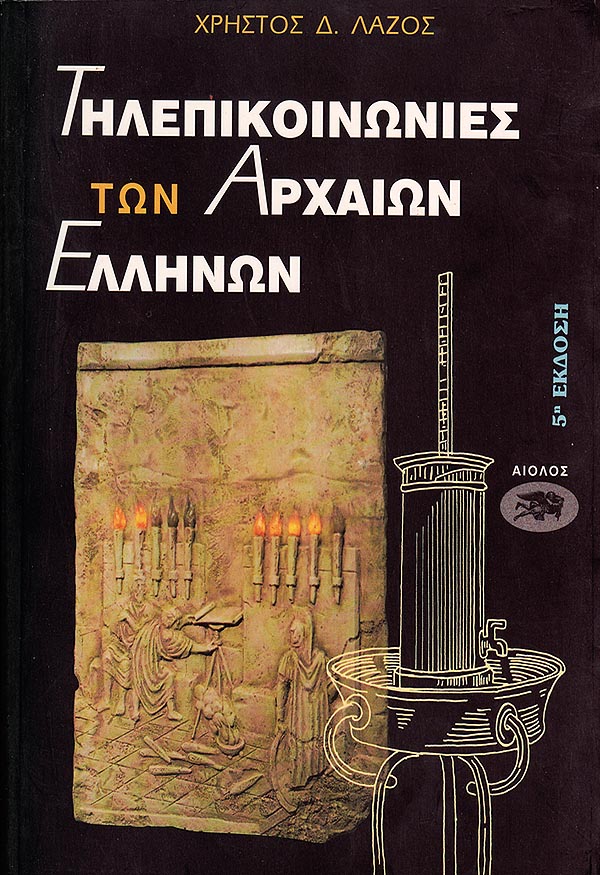
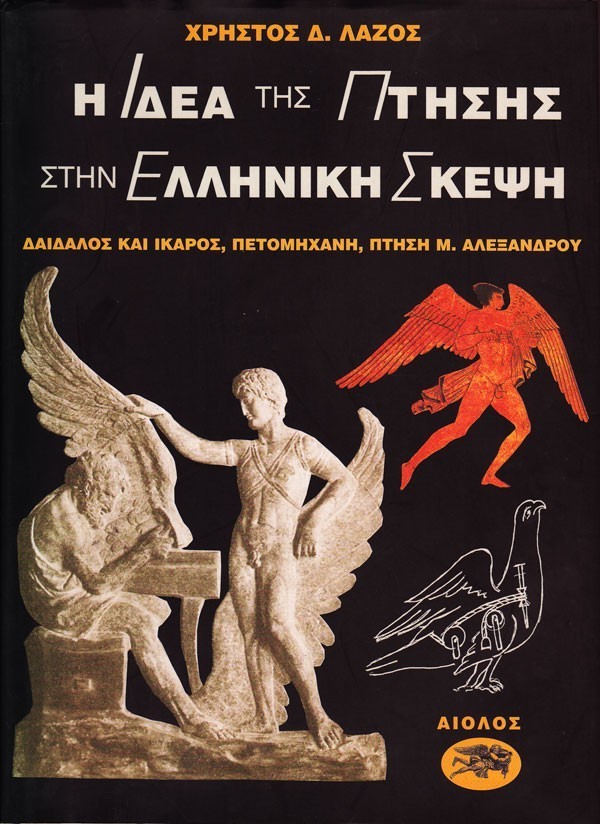
Twenty of his books are published by our house, sixteen of which focus on ancient Greek technology.
Wherever Greeks had emigrated, they took part in uprisings, struggles, and strikes of local populations, in the pursuit of freedom, social justice, and better living conditions. The material in this volume is the result of extensive research in archives of many countries, public documents, and personal testimonies. It is a book that serves as a testimony to the largely unknown activity of Greeks abroad.