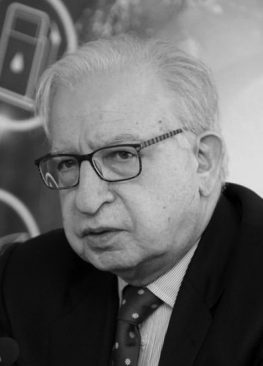
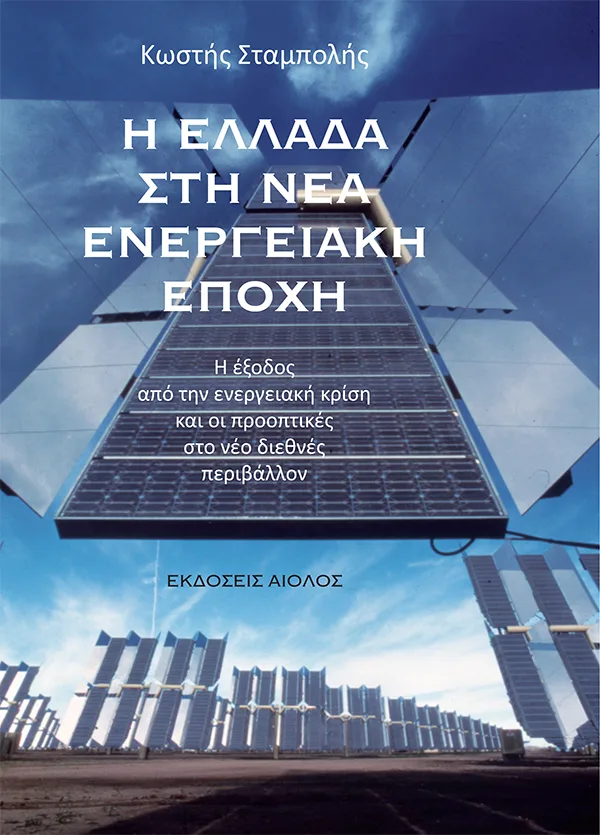
Kostas Stabolis studied Natural Sciences at the University of London and Architecture at the North East London Polytechnic (NELP), graduating with a Diploma in Architecture from the Architectural Association (AA Dip). He also holds a Master’s degree in Strategy and Innovation from the Saïd Business School at the University of Oxford.
Based in London, he worked as an independent consultant specializing in the application of solar energy in buildings. In 1977, he founded and directed one of the first international consulting firms in the field of Renewable Energy Sources (RES). He has focused extensively on the application of renewable energy in developing countries and has served as an advisor on energy policy to governments, international organizations, major corporations, and institutions.
He has also worked as a visiting professor at universities and educational institutions across Greece, the United States, Europe, and Asia. Later, based in Athens, he worked for many years as a foreign press correspondent, writing extensively on energy, environment, and technology issues for publications such as the Financial Times, Kathimerini, Estia, Imerisia, as well as numerous other newspapers and specialized journals in Greece and abroad.
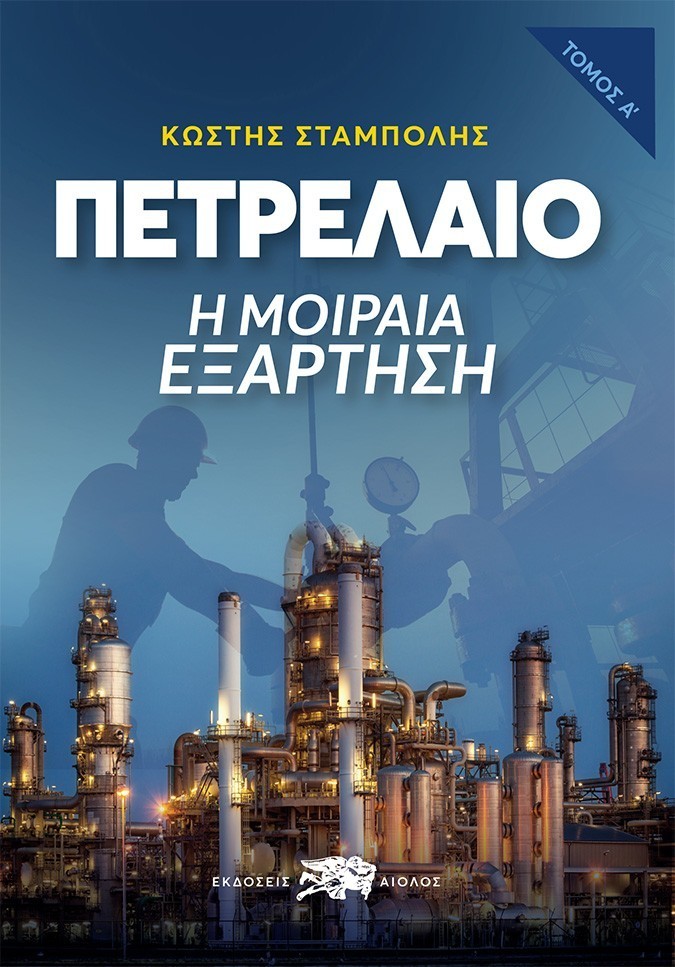
He has participated as an invited speaker in numerous scientific conferences in Greece and internationally, and has published hundreds of papers in academic journals and conference proceedings, as well as a series of books on energy-related topics. In 2001, he founded and has continuously directed the specialized energy website energia.gr. In 2003, together with a small group of energy sector professionals, he co-founded the Institute of Energy for South-East Europe (IENE), of which he is currently President and Executive Director. He is also a member of the Interministerial Committee on Energy and Climate (ESDI).