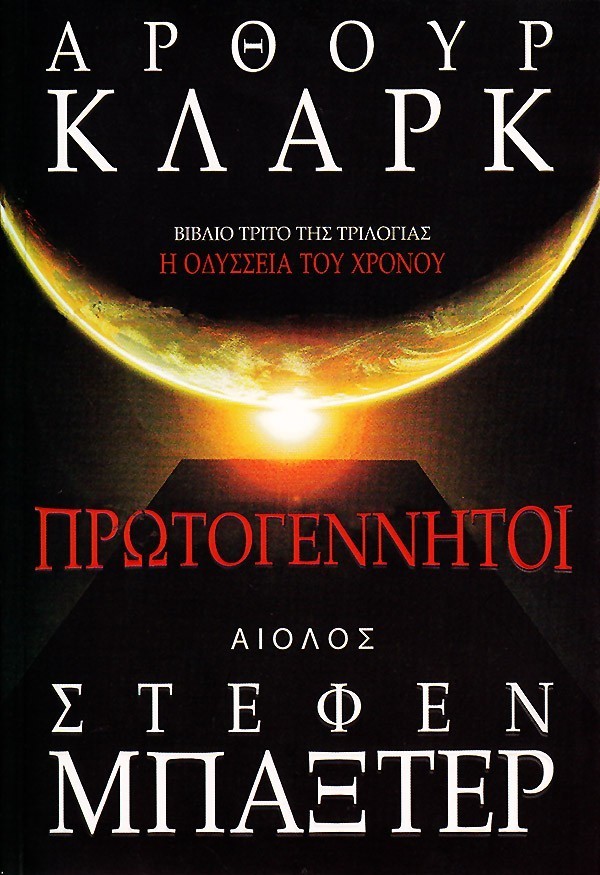
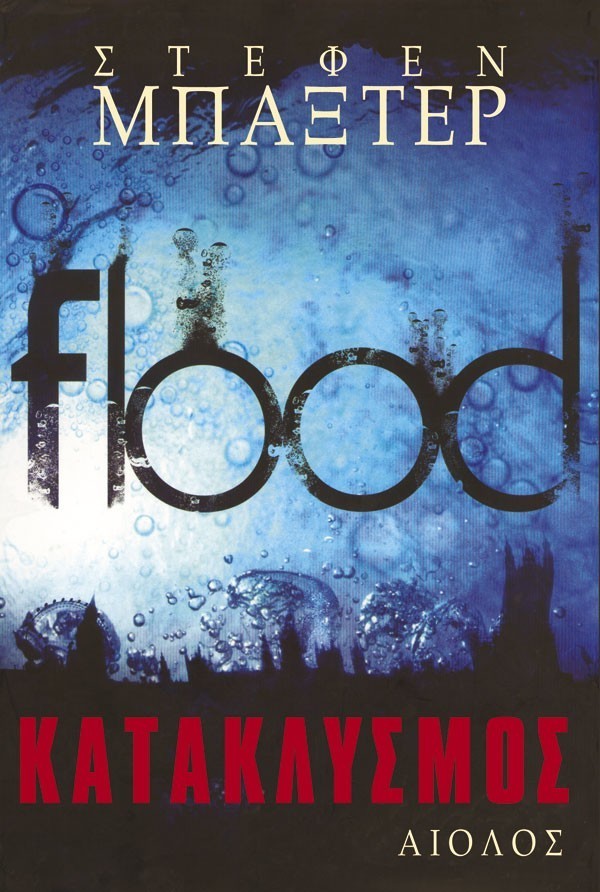
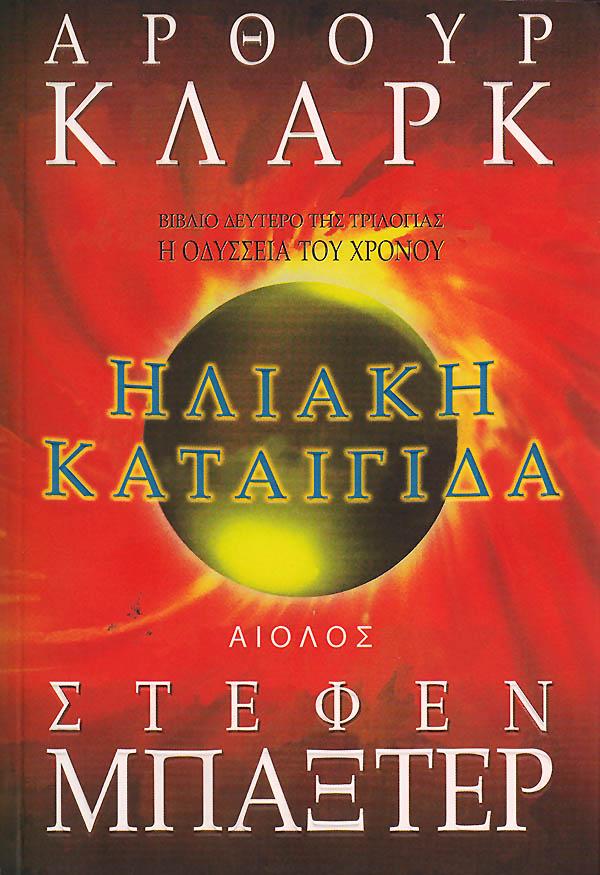
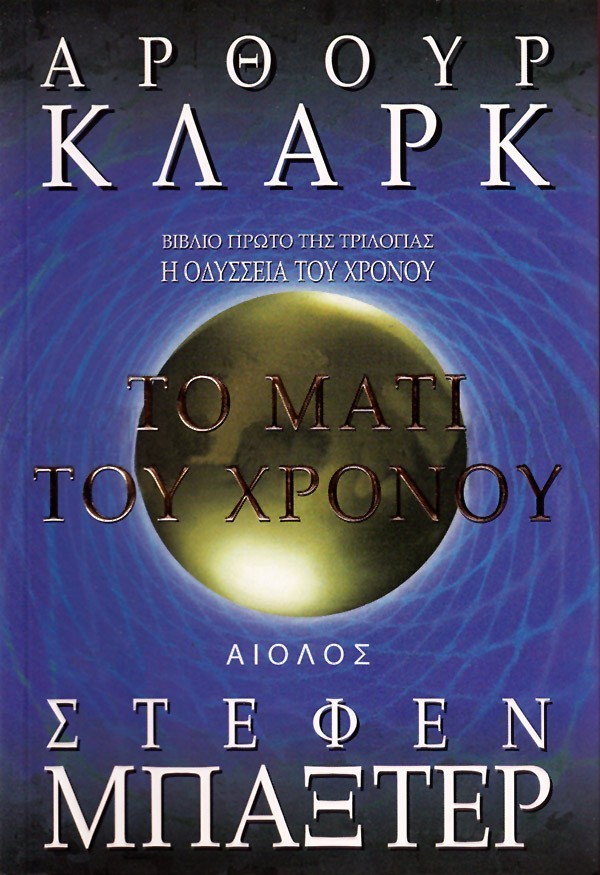
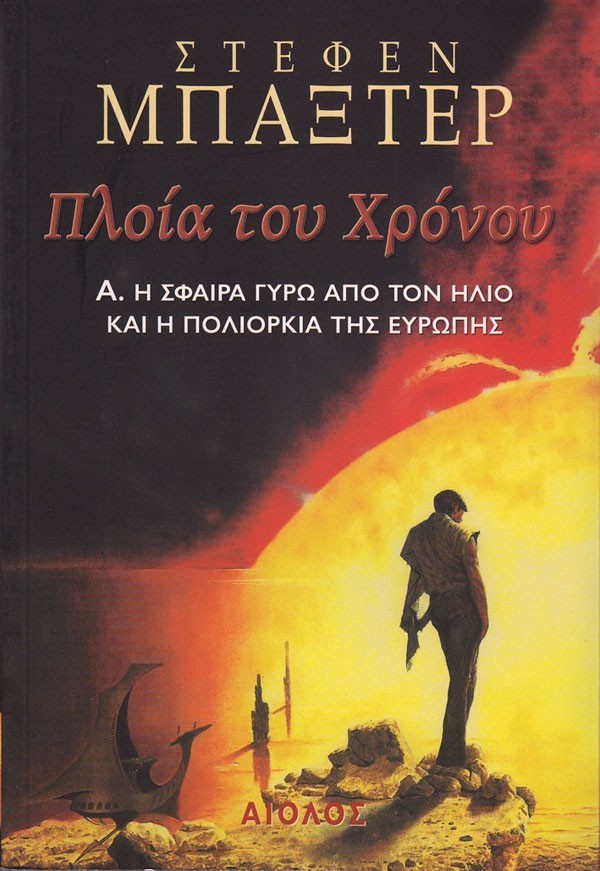
Book Three of the Time’s Odyssey Trilogy
The Firstborn—the mysterious extraterrestrial race that created Mir, a planet stitched together from different eras of Earth’s history, and later sought to eradicate all life on humanity’s home world by triggering a catastrophic solar storm—return with an even greater threat.
An indestructible device, immune to any form of human intervention, emerges from the depths of space and sets course for a fateful rendezvous with Earth.
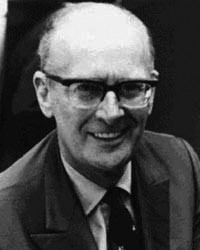
Arthur C. Clarke is widely regarded as one of the greatest science fiction writers of all time.
He also made significant contributions to science and culture in other ways, including a 1945 essay that helped inspire the concept of communications satellites.
Arthur Clarke’s books have sold more than one hundred million copies worldwide. He died shortly after completing the present trilogy, in the spring of 2008.
Stephen Baxter holds engineering degrees from the Universities of Cambridge and Southampton. He is best known for his Manifold series of novels.
He has won the British Science Fiction Award, the Locus Award, the John W. Campbell Award, and the Philip K. Dick Award, and has also been a finalist for the Arthur C. Clarke Award.
Twenty-seven years after the solar storm, Bizesa Dut—the only human to have lived both on Earth and on Mir—unwittingly embarks on a new odyssey. Through a space elevator, and later aboard a solar-powered spacecraft, she travels to Mars and from there returns to Mir.
There, she discovers that a sixty-year-old Alexander the Great has conquered much of Europe and Asia, forging a vast empire already traversed by the first steam-powered trains. She also learns that Mir itself is once again facing total annihilation.
The end seems inevitable. Yet as humanity begins to grasp the cold designs of the Firstborn—who threaten extinction—a surprising ally emerges from the depths of space…

“It is not only a farewell gift to Earth, but also a hymn to human ingenuity and creativity!”