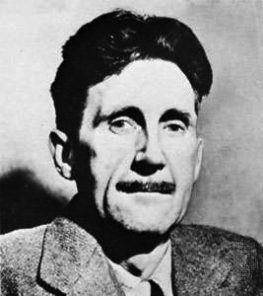
George Orwell, the pen name of Eric Arthur Blair, was born in India in 1903 and died in London in 1950.
A distinguished novelist, essayist, and journalist, he became famous primarily for his novels Animal Farm (1945) and Nineteen Eighty-Four (1949), both of which present strongly anti-totalitarian themes.
He is widely regarded as one of the most influential writers in the English language.
In 2008, The Times ranked George Orwell second on its list of the 50 greatest British writers since 1945.
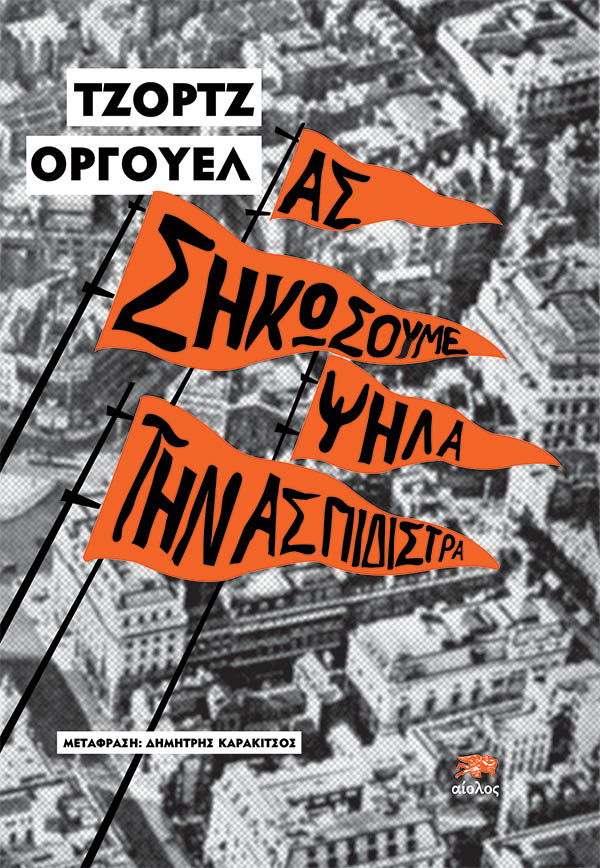
Orwell’s work continues to influence political thought to this day, as he consistently opposed all forms of totalitarianism and, throughout his life, sided with the oppressed and revolutionary movements. He took part in the Spanish Civil War and documented his experiences in Homage to Catalonia.
Concepts such as “Cold War,” “Big Brother,” and “Room 101” are associated with George Orwell.
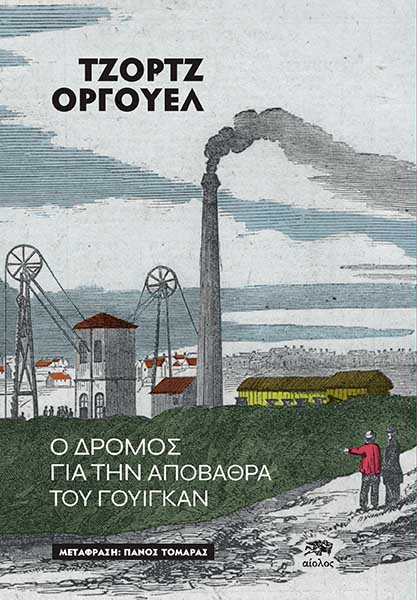
One of George Orwell’s earliest works, The Road to Wigan Pier already reveals the concerns and ideas that would shape both his writing and his life.
A literary essay on the working-class coal miners of northern England and on socialism as a bulwark against the rise of fascism.
Insightful and analytical, always incisive and strikingly relevant, Orwell — later celebrated for Nineteen Eighty-Four and Animal Farm — wrote in 1936:
“The Socialists have got their work cut out for them… The thing that must be brought home to everyone with a small insecure income is that they are all in the same boat and ought to be fighting on the same side…”