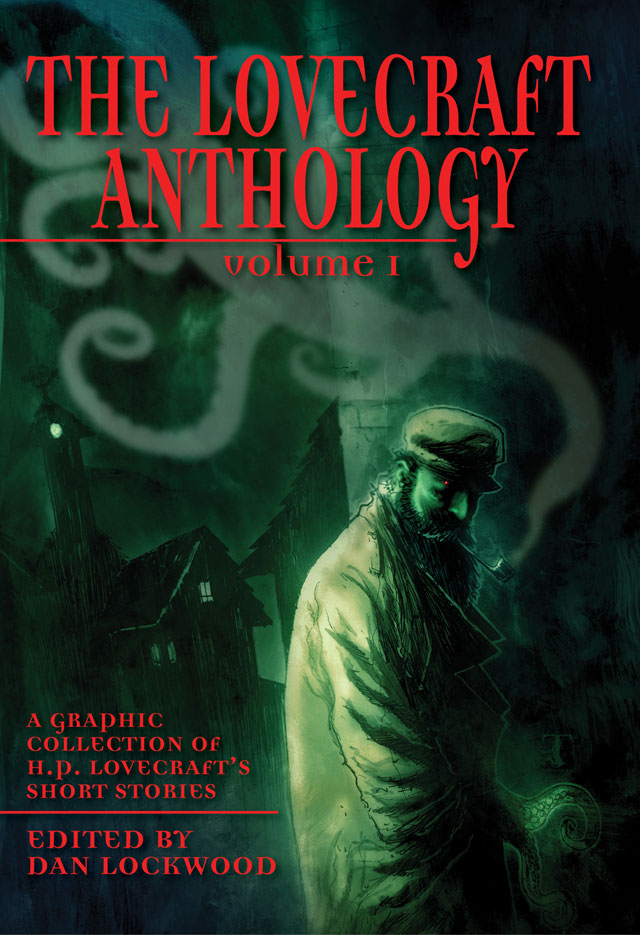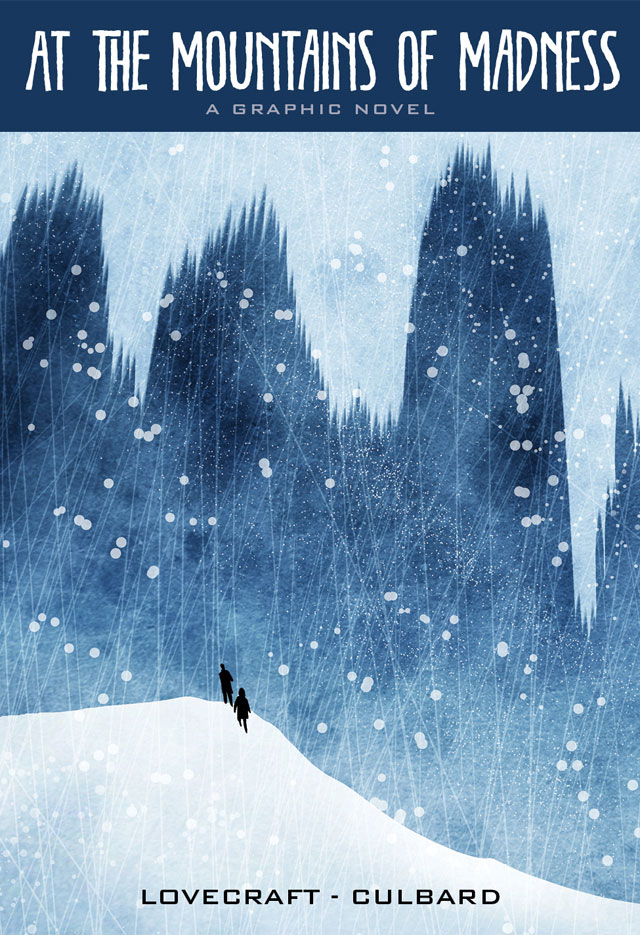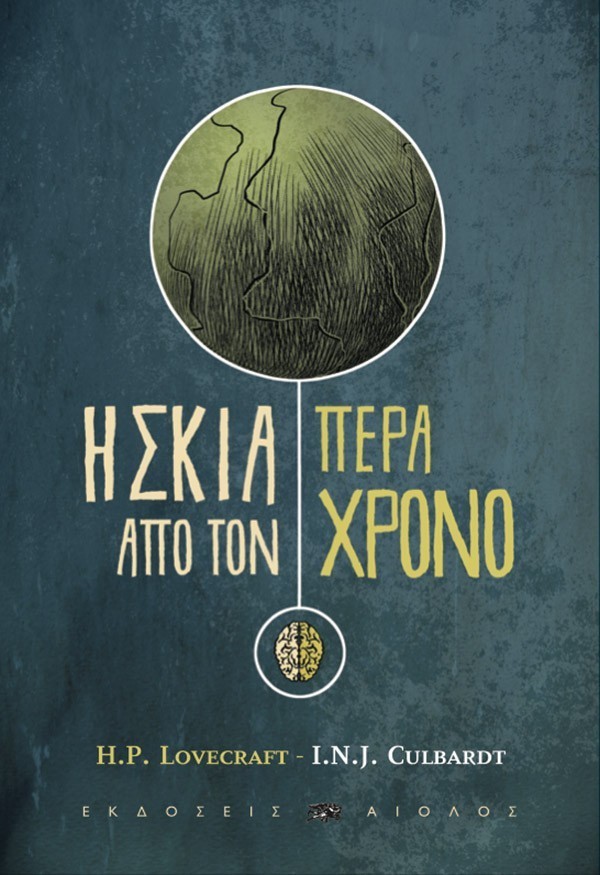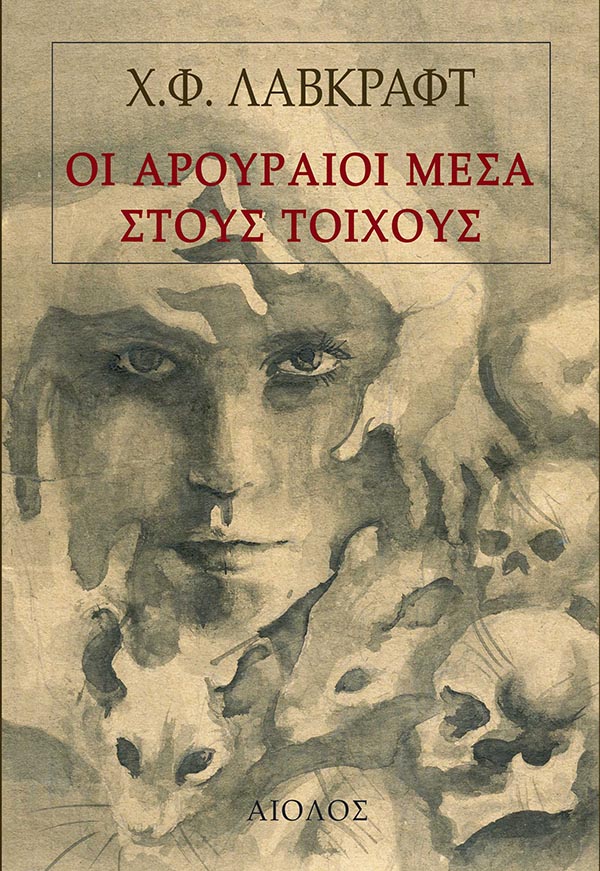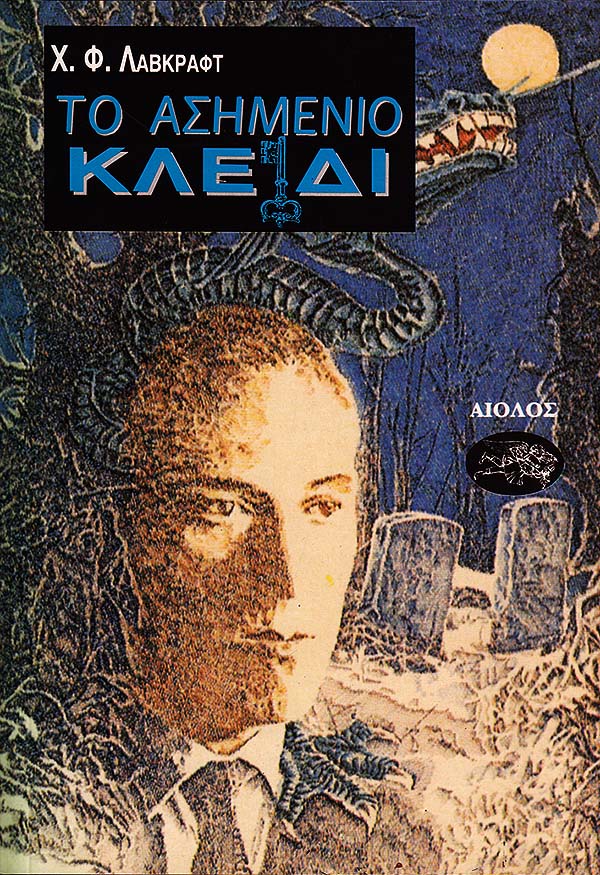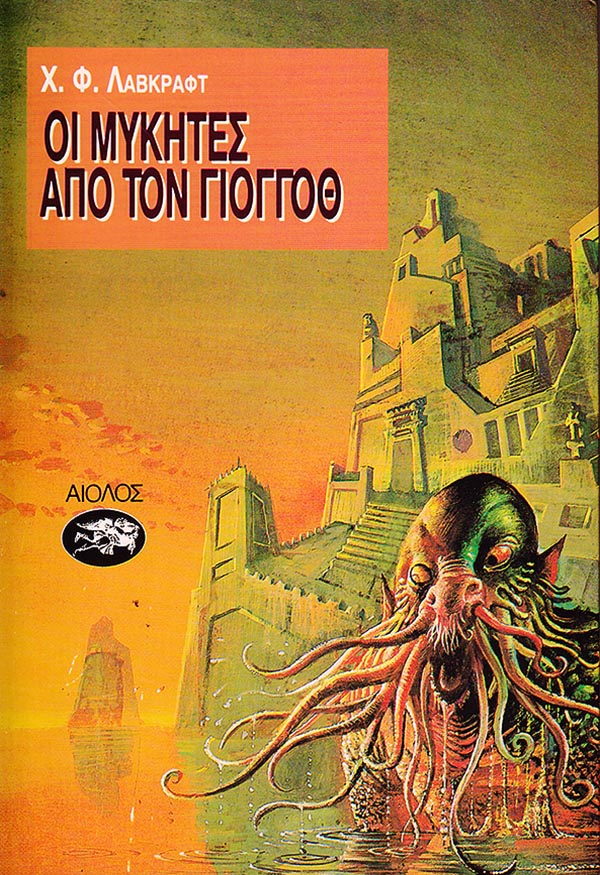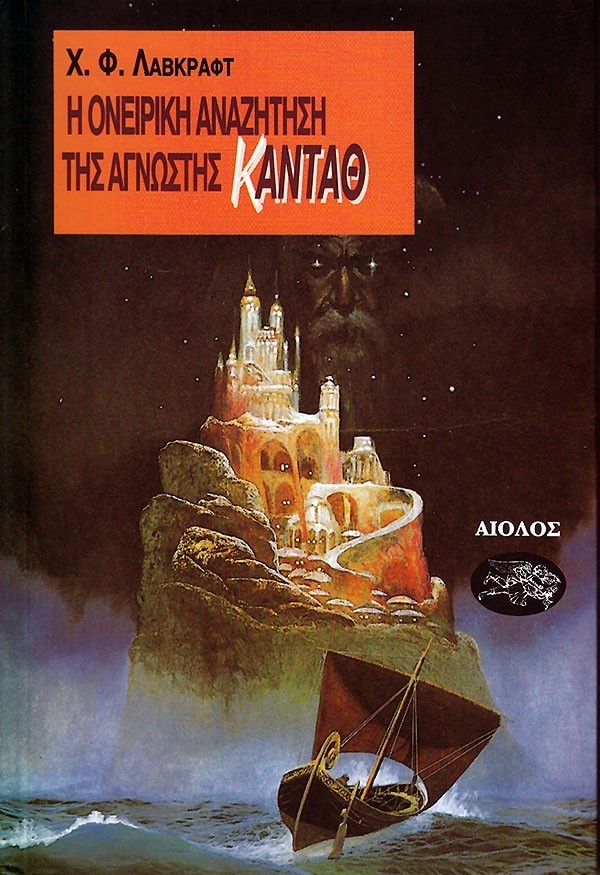
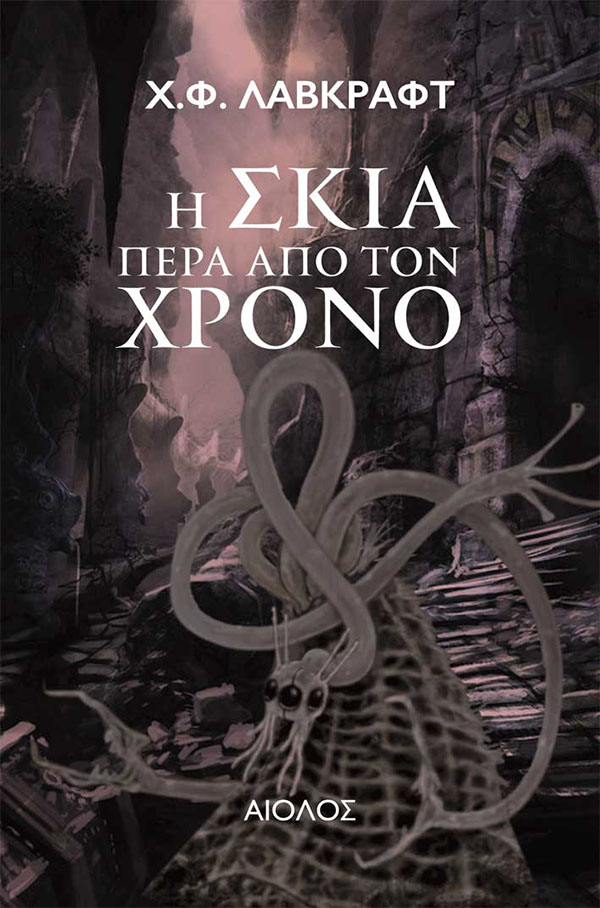
What is the terrifying race that has mastered the abyss of time and the endless expanse of the universe? How small and powerless is a human being in comparison? Or perhaps it, too, is vulnerable to something even more powerful and horrifying?
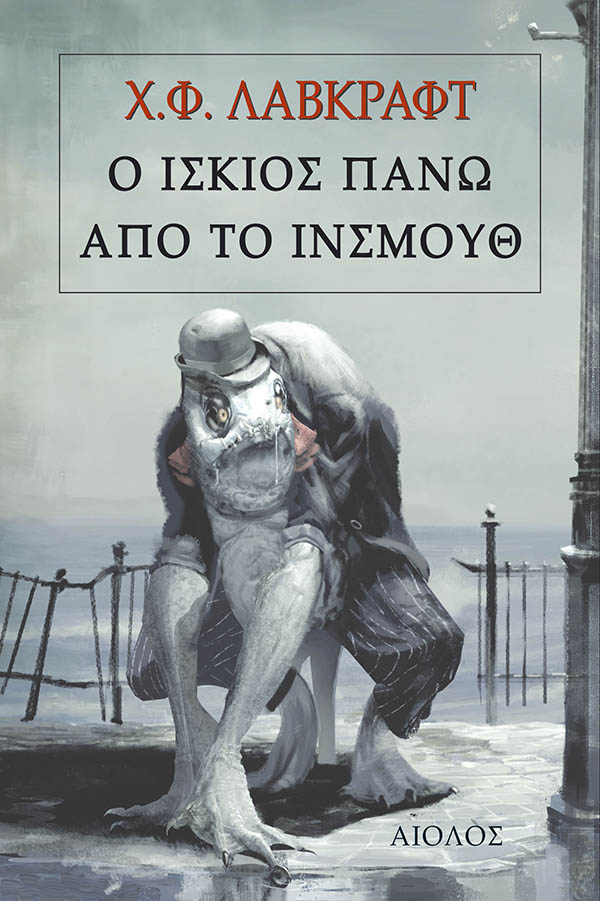
In one of his greatest and most captivating novellas, The Shadow Out of Time, the incomparable H. P. Lovecraft offers his own answers, transporting us into his unique and mesmerizing world.
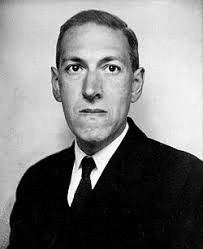
H. P. Lovecraft was a child prodigy. He could recite poetry at the age of two and was composing complete poems by the age of six. His grandfather encouraged him to read classic works such as One Thousand and One Nights, Bulfinch’s Mythology, and children’s editions of the Iliad and the Odyssey. He also sparked the boy’s fascination with the strange and the uncanny by telling him Gothic horror stories.
Lovecraft was a frail child, and his attempts to attend school were largely unsuccessful, resulting in much of his education being conducted at home. In 1899, he began publishing his own amateur periodicals, the first of which was The Scientific Gazette.
After 1904, owing to poor financial management, his family fell into severe financial hardship and was forced to move to a much smaller and less comfortable house. Lovecraft was so deeply affected by this event that he experienced suicidal thoughts for a time. In 1908, he suffered a nervous breakdown, which prevented him from completing high school. His failure to graduate and gain admission to Brown University haunted him for the rest of his life.
As a young man, Lovecraft wrote fiction but later set it aside in favor of poetry and essays. He eventually returned to imaginative fiction in 1917. His first professional story was published in Weird Tales in 1923. His lengthy and frequent correspondence made him one of the most prolific letter writers of the twentieth century.
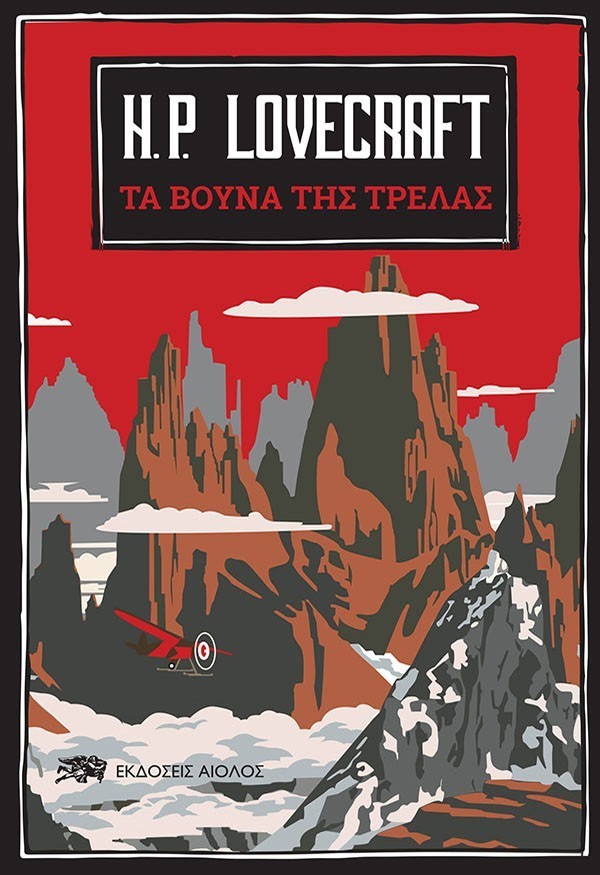
Lovecraft married in 1924 and moved to Brooklyn, New York—a place he never truly came to tolerate. The marriage eventually ended, and he returned to Providence, where he spent the remainder of his life. The years following his return to Providence—the final decade of his life—were also his most creative. During this period, he wrote many of his best-known stories, as well as the novels The Case of Charles Dexter Ward and At the Mountains of Madness.
Despite his literary achievements, his financial circumstances continued to deteriorate. The suicide of Robert E. Howardaffected him deeply. Lovecraft died of cancer in 1937.
All of his works are available in our editions.
The volume also includes two rare short stories co-written by Lovecraft with two women: Poetry and the Gods, written with the enigmatic Anna Helen Crofts, and The Horror at Martin’s Beach, written with the only woman in his life, the renowned Sonia Greene.
The final story, The Shunned House, is based on a real house in Providence, Massachusetts, which Lovecraft had known well since childhood. This familiarity enables him to convey, with remarkable vividness, the sense of terror emanating from its interior.
With this collection of stories by Howard Phillips Lovecraft, the extensive tribute by AIOLOS Publishers to the author who inspired generations of writers and captivated countless readers reaches its conclusion.