We are at the end of the 2030s. Flynne Fisher and her brother, Burton, live in a remote corner of the American South, where unemployment and illegal drug manufacturing are rampant.
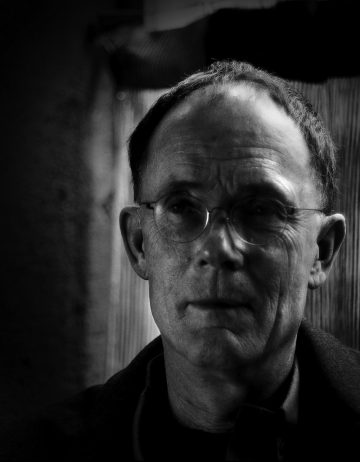
William Gibson was born in the United States in 1948. He grew up in Virginia, where, after the death of his father, he was introduced to the Beat movement and science fiction.
In 1968, during the Vietnam War era, he moved to Canada to avoid military conscription, and he has lived there ever since.
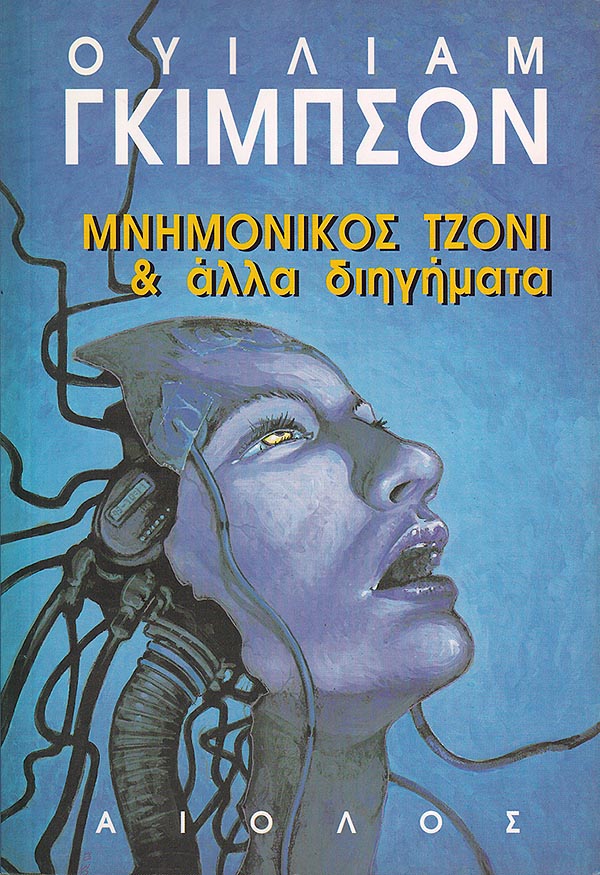
His first published work was Fragments of a Hologram Rose (1977). In 1986, his short story collection Burning Chromewas released, which includes “Johnny Mnemonic”, later adapted into a film starring Keanu Reeves.
Gibson gained widespread fame with his “Sprawl Trilogy”: Neuromancer (1984), Count Zero (1986), and Mona Lisa Overdrive (1988). Neuromancer won the Hugo, Nebula, and Philip K. Dick Awards and became a cornerstone of the cyberpunk movement in science fiction.
He is often regarded as a “prophet” of the Internet and the World Wide Web. His works, as well as those of writers influenced by him, depict a dark futuristic world in which real power lies in the hands of multinational corporations, and the most valuable commodity is information stored in computers connected through a vast virtual network known as cyberspace.
In this world, daring individuals connect their brains directly to the network in order to steal information—entering a digital realm that is as real and tangible to them as physical reality, but full of lethal dangers.
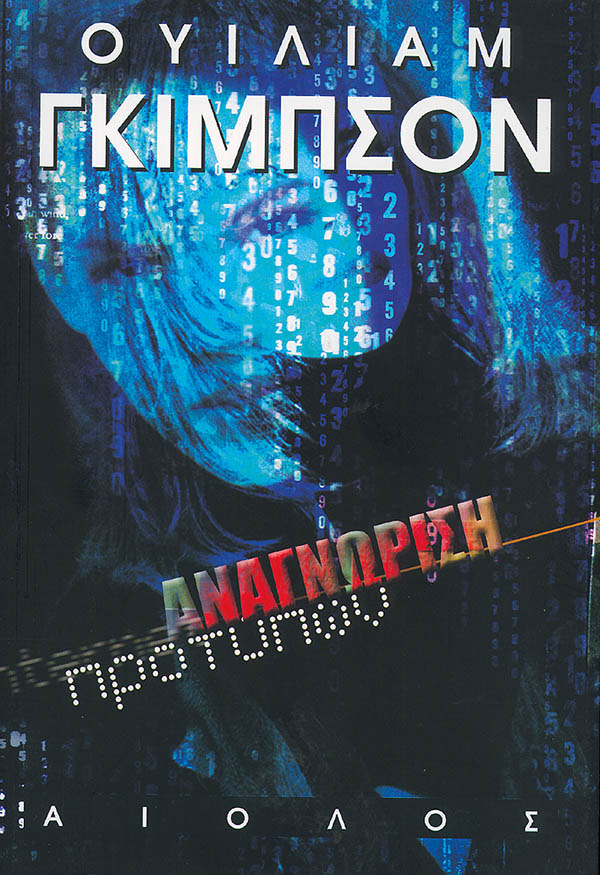
In 1990, he co-authored The Difference Engine with Bruce Sterling. In 1993, he published Virtual Light. Throughout the 1990s, Gibson produced the “Bridge Trilogy”. In 1996 came Idoru, followed by All Tomorrow’s Parties (1999), Pattern Recognition (2003), and Spook Country (2007).
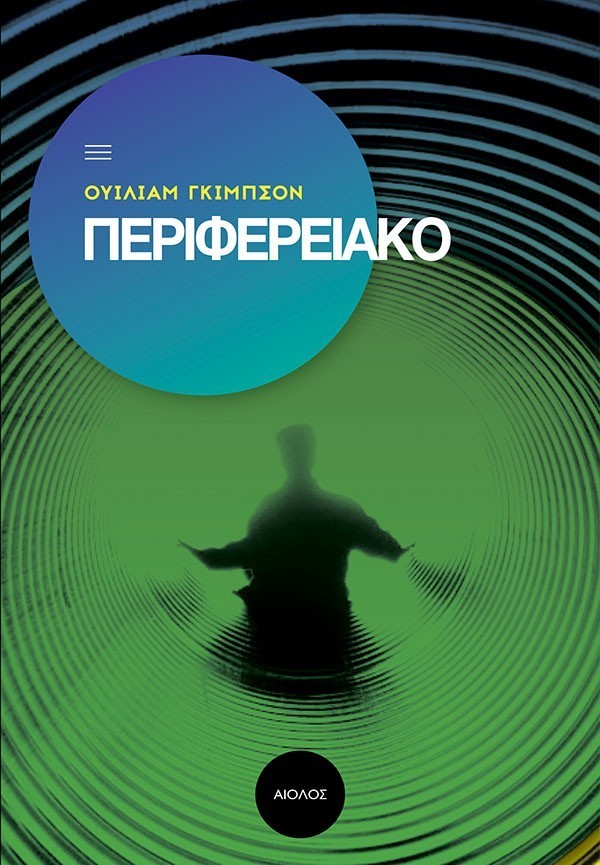
Flynne works at the local 3D printing shop. Burton lives on money from the Veterans Administration, for neurological damage suffered in the Marines’ elite Haptic Recon unit, but he works, secretly from Flynne, on the security of an online game set in a virtual world that looks vaguely like London, but a lot weirder.
Asking Flynne to stand in for him, he reveals the truth to her, informing her that he’ll just have to guard a building and repel insect-like creatures when they approach. What Flynne sees though does not correspond to what Burton had described to her. It may be a game, but it may also be the criminal activity of murderers…
With The Peripheral, William Gibson returns to the atmosphere of his cyberpunk masterpieces. With the narrative moving between two different future times, The Peripheral combines sharp social and political critique, fast pace and sophisticated fantasy.